Have you ever heard of the Làm Lý ritual of the Thai ethnic group - a spiritual ceremony believed to help preserve one’s soul, maintain balance, and pray for health and peace? This centuries-old tradition holds deep cultural and spiritual meaning within Thai communities, yet not everyone fully understands its origins, symbolism, and unique ceremonial practices. Let’s explore this fascinating ritual and uncover the cultural values behind it in the article below!
General introduction to the “Làm Lý” ritual of the Thai ethnic group
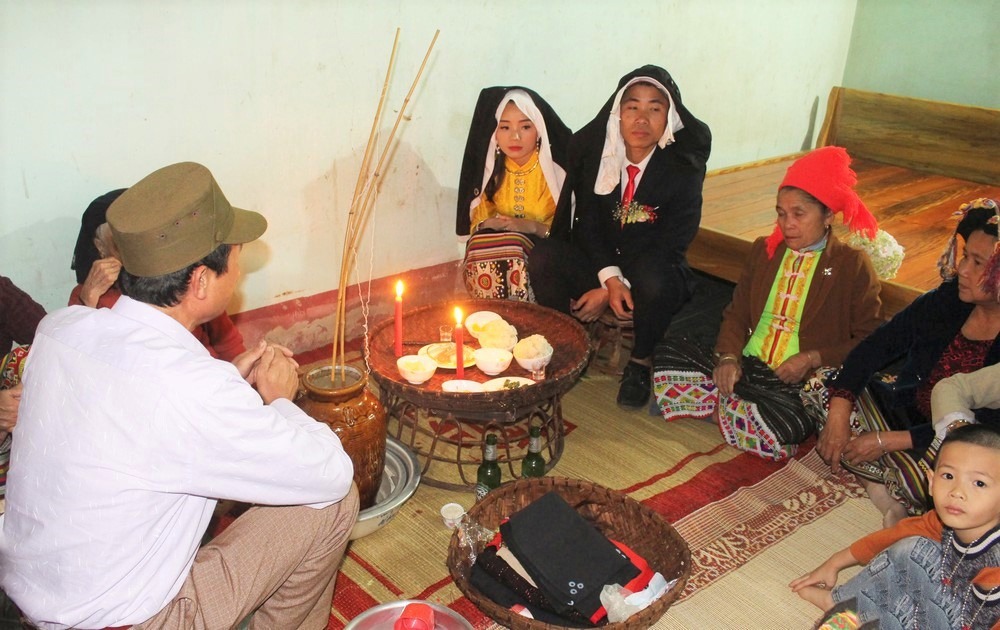
General Introduction to the “Làm Lý” Ritual of the Thai Ethnic Group (Source: Báo Dân tộc và Phát triển)
The Làm Lý ritual of the Thai people, also known as the “làm vía” ritual (in Thai language: họng khoắn), is one of the most significant spiritual ceremonies that reflects local beliefs regarding the human soul. According to Thai worldview, each person possesses multiple “souls” or “vía.” If these souls become weak or stray away, the body grows feeble and misfortune may follow. Therefore, the ritual is performed to call the souls back, helping restore physical strength, clarity of mind, and good fortune.
Read more: Experience the Muong Khai Ha festival in spring
The deep cultural meaning behind the ritual
In the spiritual culture of the Thai ethnic group, humans consist not only of a physical body but also a system of souls that coexist and interact. According to traditional beliefs, men possess seven souls while women possess nine. Should these souls weaken or wander off, a person may experience fatigue, illness, or a series of unfortunate events. For that reason, the làm vía ritual is not merely a formal ceremony but a profound method of restoring both physical and spiritual well-being. By calling the souls back to the body, the ritual helps reinforce health, sharpen the mind, and ward off bad luck.
Beyond its individual purpose, the ritual also reflects the strong connection between humans, ancestors, and deities. The Thai people believe that performing làm lý sustains communication with the spiritual world, while simultaneously providing an opportunity for family and clan members to gather, express care, and send their blessings to one another. As such, the Làm Lý ritual is not only a long-standing tradition but also a cultural symbol that embodies solidarity and sacred faith within the Thai community.
Important occasions for the ritual
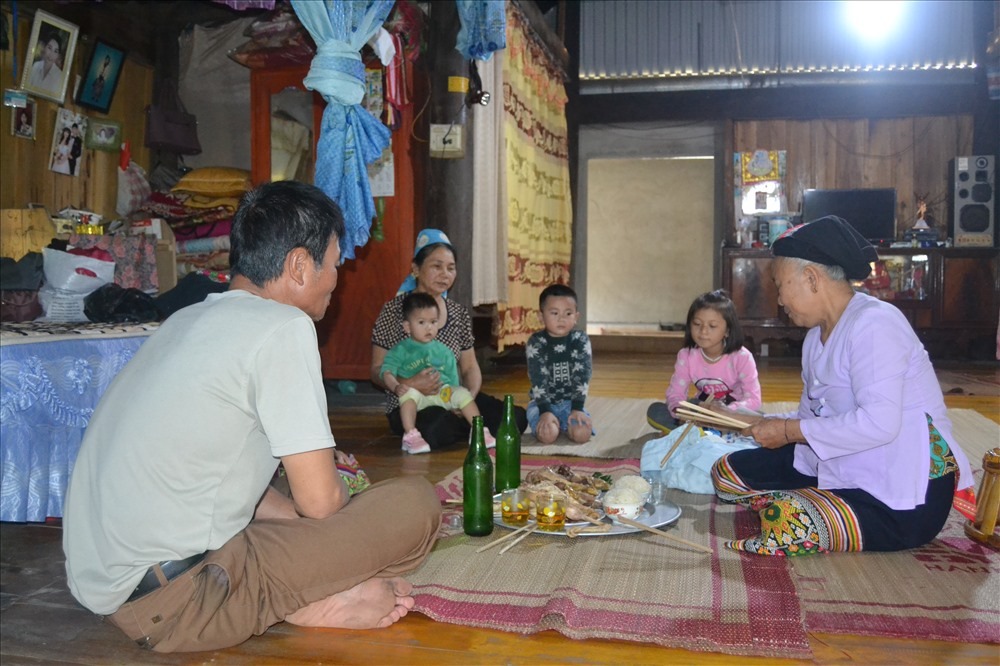
Important occasions for the ritual (Source: Lao dong news)
In the daily life of the Thai ethnic community, the Làm Lý ritual is not only held during major life events but can also be performed for people of different ages, from newborns to adults and the elderly. The following cases illustrate why the ritual has become an indispensable tradition among the Thai:
- Newborns (3 days after birth): When a child is born, the family performs the ritual to inform their ancestors and pray for the baby’s health and growth. It also ensures that the child’s souls remain intact and protected, preventing them from being disturbed by evil spirits during the earliest stages of life.
- A daughter getting married: When a daughter leaves her maternal home to join her husband’s family, her parents hold the Làm Lý ritual to offer blessings and bid farewell. The ceremony helps stabilize her souls and prevent disorientation as she begins a new phase of life. It also honors the emotional bond between the daughter and her birth family.
- Returning from a long journey: To Thai's belief, traveling far from home is believed to weaken or scatter one’s souls. Thus, upon returning, families often perform the ritual to call the souls back to the body, helping the traveler quickly readjust to life at home and avoid fatigue or anxiety.
- Illness or accidents: In cases of illness or trauma, the Thai believe the souls may become wounded or lost. The ritual aims to restore balance, call the souls back, and promote recovery for both body and spirit.
- Elderly nearing death: When an elderly person approaches the end of life, the ritual is carried out to guide their souls back to the ancestors, preventing them from wandering during the transition to the afterlife. It is also a meaningful gesture of filial piety, allowing family members to bid farewell with dignity and spiritual care.
How the ritual is conducted
For the Thai, the Làm Lý ritual is a solemn spiritual ceremony in which every step must be properly executed to ensure the souls are fully summoned and restored. The process generally includes:
Selecting the ritual performer (shaman / ritual specialist)
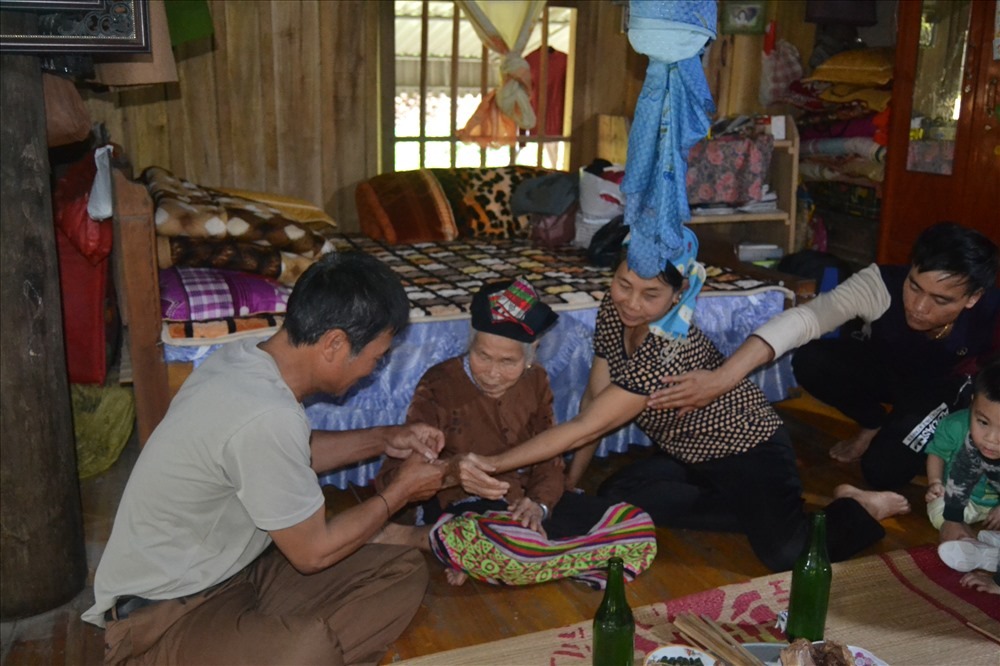
The mo shaman (thay mo) or an elderly family member will perform the ritual (Source: Lao dong news)
The mo shaman (thay mo) or an elderly family member plays a crucial role in the Lam Ly (spirit-calling) ritual of the Thai ethnic people. They are highly respected figures in the community, believed to be capable of communicating with ancestral spirits and higher powers. The mo is responsible for chanting the ceremonial incantations, summoning the wandering spirits, and tying the sacred threads to guide the person’s soul back to their body. In some cases, elderly members of the family may also take part in tying the wrist strings for younger relatives as a blessing.
Preparing the offerings
To ensure the Lam Ly ritual proceeds smoothly, the family must prepare traditional offerings that hold symbolic meaning, including:
- A roll of black thread (or five-colored thread) used for wrist-tying.
- A boiled chicken (or a pig, or grilled fish) symbolizing abundance and nourishment.
- A boiled egg representing rebirth and a fresh beginning.
- Three betel leaves and areca nuts as a medium for ancestral connection.
- A small bowl of rice and a small bowl of unhusked rice, wishing for prosperity and sufficient harvest.
- Small change placed on a tray as a symbol of fortune and good luck.
- Rice wine, banh chung gu (a traditional square sticky rice cake), and fruits offered to deities and ancestors.
These offerings embody prayers for health, protection, and balance between the physical body and spiritual essence.
Performing the ritual
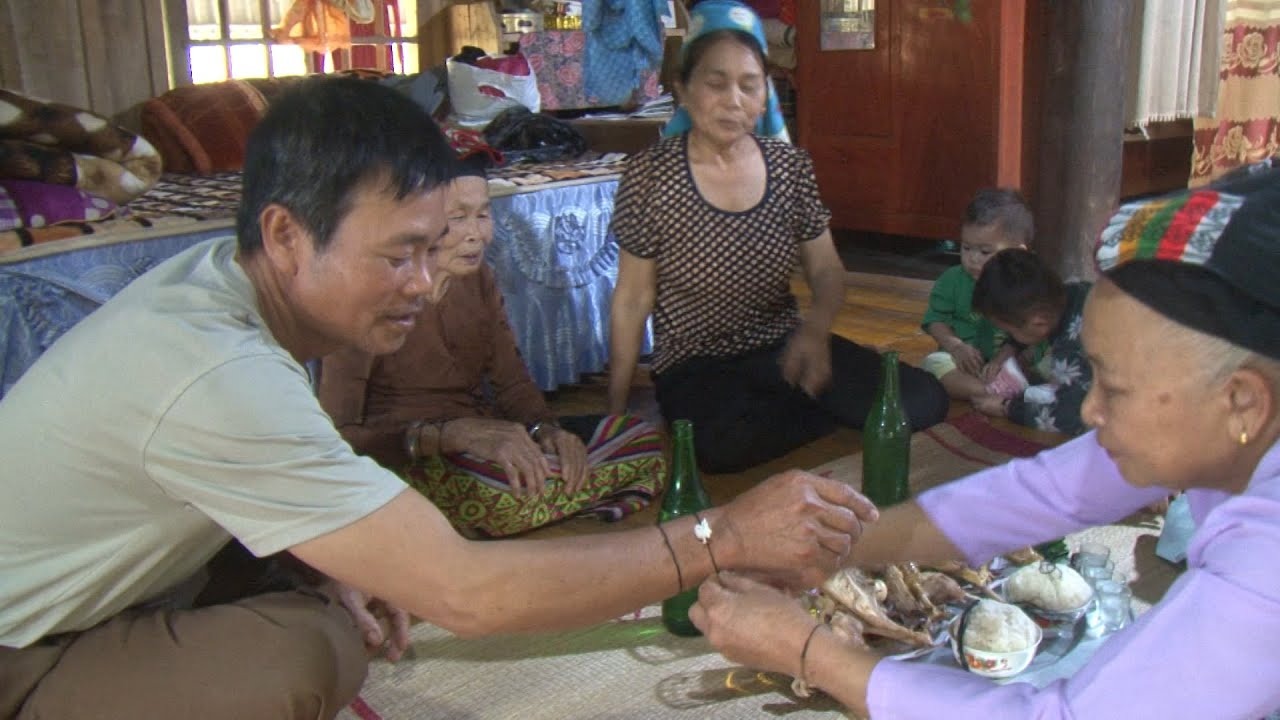
Steps of the Lam Ly (Spirit-Calling) ritual of the Thai people in Mai Chau (Source: Lao Dong Newspaper)
The Lam Ly ritual of the Thai ethnic community follows a strict ceremonial sequence, consisting of several key steps:
Choosing an auspicious date and time
Before conducting the ritual, the family and the mo shaman consult to select a favorable day and hour. This ensures that the spirit-calling process proceeds smoothly and without interference. The Thai believe that an auspicious timing enhances the ritual’s effectiveness and allows the wandering spirits to return safely, free from supernatural obstacles.
Offering tribute to deities and ancestors
The offerings, consisting of ritual threads, boiled chicken, rice wine, boiled eggs, betel leaves, areca nuts, and other ceremonial items, are placed on the ancestral altar. The mo then lights incense and petitions the deities and ancestors to witness the ritual and bless the recipient with health and peace. This step is essential as it bridges the human world with the spiritual realm.
Calling the Spirits
The mo recites chants in the Thai language, gently persuading and reassuring the wandering spirits to return. According to Thai belief, the spirits may stray to dangerous places such as rivers, cliffs, deep forests, or become entangled by supernatural forces. For this reason, the mo must call the spirits in a precise order, from the head to the body, arms, and legs, to ensure all spirits return completely. During the chanting, the mo may lightly tap the person’s shoulders or back, helping the spirits re-enter the body smoothly.
Tying sacred threads to secure the spirits
After the calling, the mo cuts the ritual threads into small pieces and ties them around the wrist of the recipient. Men receive the thread on the left wrist, women on the right. The threads must not be removed by the wearer; instead, they should be left to fall off naturally to preserve the ritual’s protective power. The colors of the threads also hold symbolic meaning:
- Black thread symbolizes peace and is used for blessings.
- Red thread appears in weddings, expressing good fortune and marital unity.
- White thread is used in funerals to guide the soul of the deceased to the ancestral world, preventing it from lingering among the living.
Concluding the ritual
Once the chants are completed, family members share ceremonial wine and food from the offering tray to receive blessings. Representatives from both sides of the family offer well-wishes, praying for health, safety, and good fortune for the ritual recipient.
Read more: Top excursion Mai Chau itineraries for every traveler
Notes for participating in the Lam Ly ritual of the Thai People
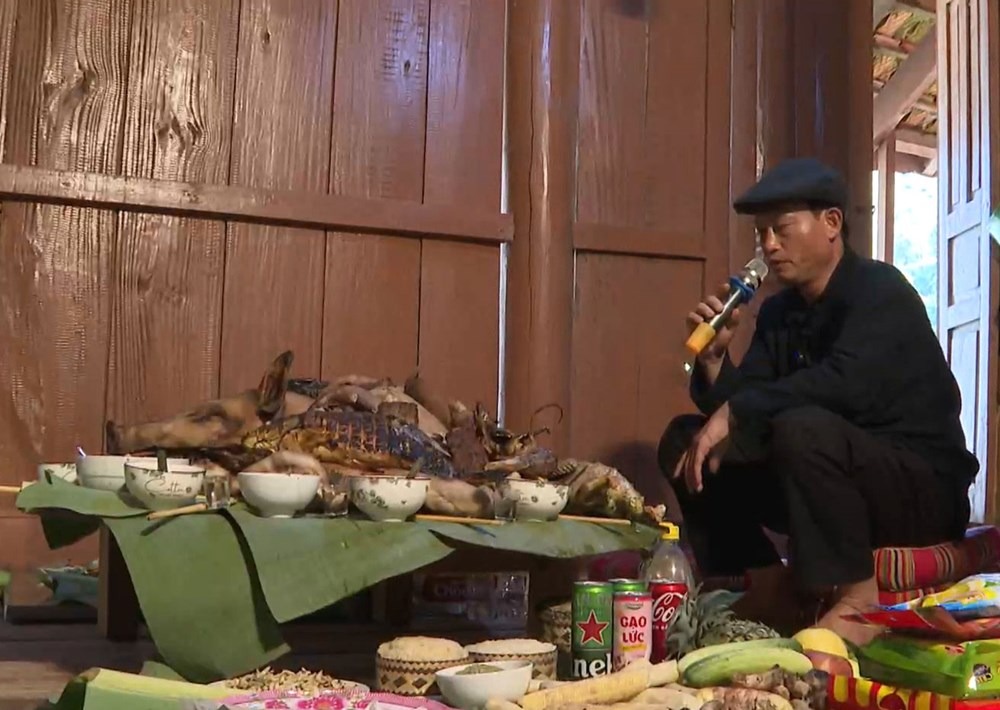
Notes for participating in the Lam Ly ritual of the Thai People (Source: Van Hoa Newspaper)
When taking part in the Lam Ly ritual of the Thai ethnic group, visitors need to follow certain important rules to show respect for local traditions and the community. Here are some key points to keep in mind:
- Wear appropriate clothing: Visitors should dress modestly and respectfully when attending the ritual, avoiding overly short or revealing outfits. If possible, wearing traditional Thai attire is recommended to show respect and blend in with local culture.
- Do not touch the offerings: The items on the offering tray are an essential part of the ritual. Visitors should not touch or move them without permission. If you want to understand the meaning of each item, ask a local or the mo shaman for a proper explanation.
- Maintain a serious and respectful attitude: During the ritual, visitors should remain solemn, avoiding loud talking or joking. This is a spiritual ceremony that symbolizes the connection between humans, ancestors, and deities.
- Do not remove the wrist thread: After participating in the wrist-tying ritual, visitors should not remove the thread themselves. It should be left to fall off naturally, in accordance with Thai custom, as it represents protection and blessings.
- Limit photography and filming: Before taking photos or recording videos during the ritual, visitors should seek permission from the locals or the mo shaman. Some parts of the ceremony are sacred and should not be captured to avoid disrupting its spiritual significance.
By following these guidelines, visitors not only gain a complete experience of the Lam Ly ritual but also demonstrate respect for the customs and traditions of the Thai community in Mai Chau.
The Lam Ly ritual of the Thai people is not only deeply spiritual but also reflects the unique cultural beauty of the Thai community in Mai Chau. For those who want to witness and experience the local cultural space firsthand, plan a visit to Mai Chau and stay at Mai Chau Hideaway Lake Resort, where you can enjoy a retreat immersed in nature and local culture. Don’t forget to book early to participate in fascinating cultural activities and fully explore the beauty of this region!