Plan your Mai Chau rice terraces trip with the best seasons, villages, photo times, cycling routes, travel tips and a peaceful lakeside stay near Hoa Binh Lake.
Mai Chau Rice Terraces at a Glance
Mai Chau rice terraces are not the tallest or most dramatic rice fields in northern Vietnam. That title usually belongs to places such as Mu Cang Chai, Sapa or Hoang Su Phi. Mai Chau is different. Its beauty is softer, closer and easier to experience, especially if you want rice fields, village life and mountain scenery without a difficult trek.
The rice fields here sit across a wide valley surrounded by limestone mountains, bamboo groves and White Thai stilt houses. In the morning, the paths are quiet enough for a slow walk. By late afternoon, the light turns warm over the paddies, bicycles pass between villages, and smoke rises from kitchens behind wooden houses.
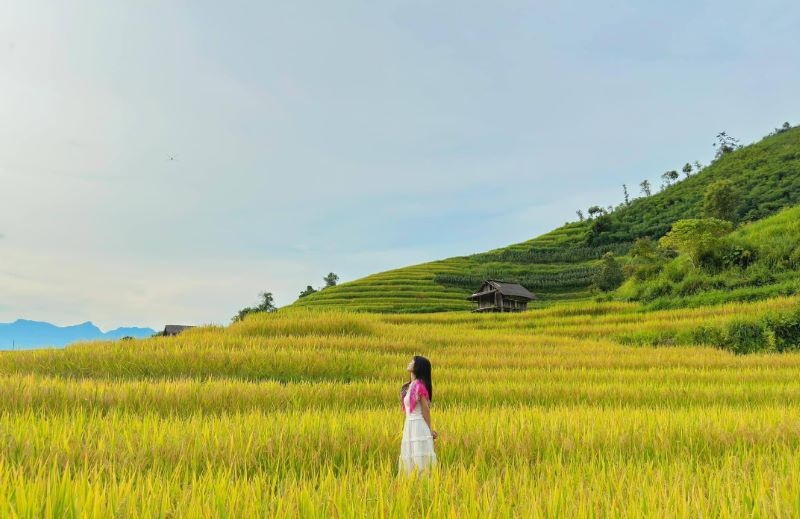
Mai Chau rice terraces are known for soft valley views, White Thai villages and peaceful cycling routes (Source: Collected)
If you are planning a short escape from Hanoi, Mai Chau is one of the most comfortable rice-field destinations in northern Vietnam. You can reach the area in about half a day by road, cycle through the valley on arrival, stay overnight, and still have time for a lakeside retreat before returning to the city.
Quick answer: when should you visit Mai Chau rice terraces?
|
Travel goal
|
Best time to go
|
What you will see
|
|
Fresh green rice fields
|
March to May
|
Young rice, soft weather, easy cycling
|
|
Golden rice terraces
|
Late September to October
|
Harvest colors, warm light, lively farming scenes
|
|
Dramatic clouds and deep green fields
|
June to August
|
Full green valley, summer rain, low clouds
|
|
Quiet countryside feeling
|
November to January
|
Cooler air, post-harvest fields, fewer visitors
|
|
Best light for photos
|
7:00-9:00 or 16:00-17:30
|
Softer shadows and warmer colors
|
For the classic golden rice scenery, late September and October are the safest months to aim for. For a calmer cycling trip with fresh green views, March to May usually feels more comfortable.
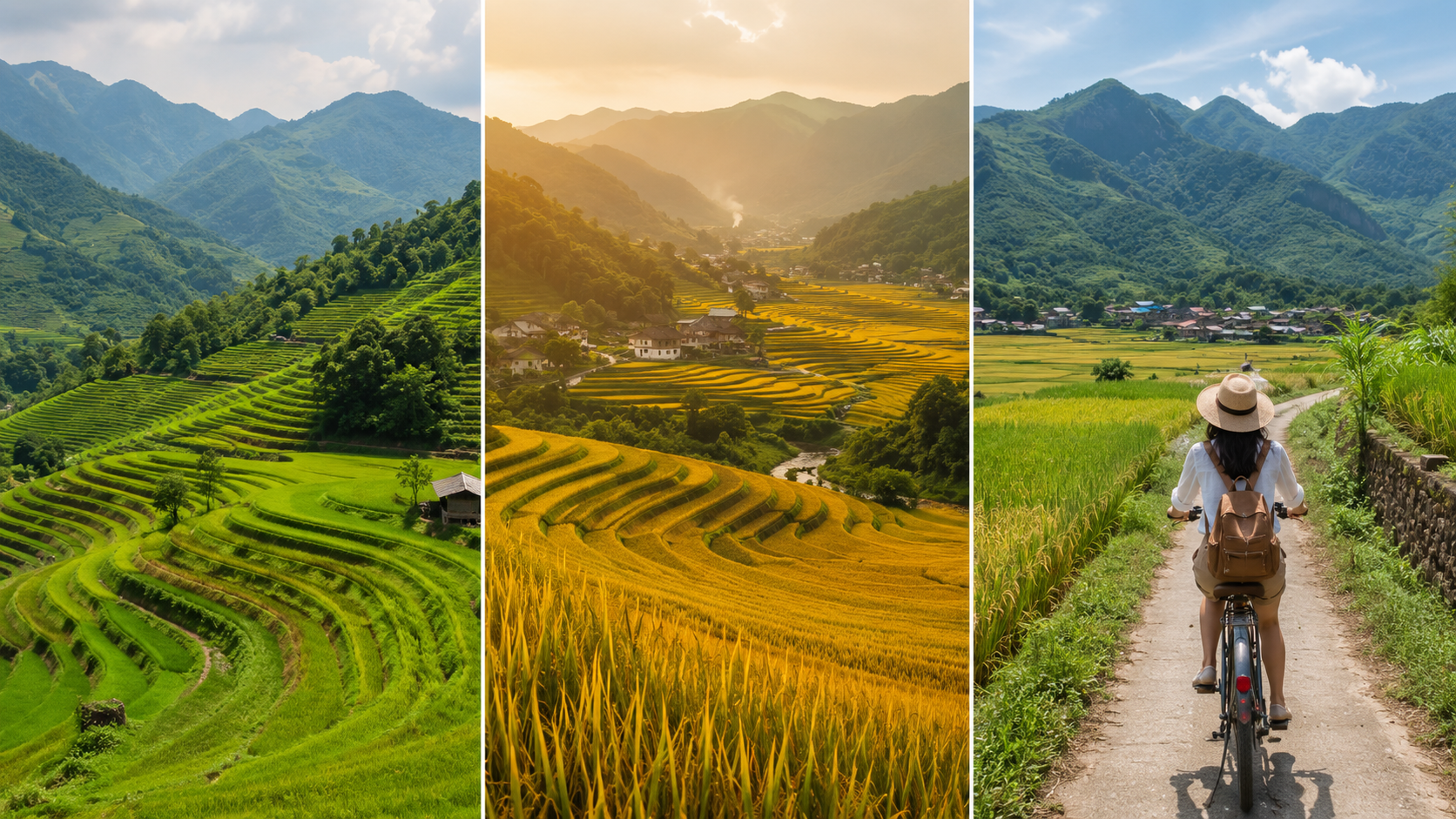
Green rice season and golden harvest season create two very different Mai Chau travel experiences (Source: Collected)
What Makes Mai Chau Rice Terraces Different?
Mai Chau should not be judged by the same standard as high mountain terrace destinations. In Mu Cang Chai, the rice terraces climb steep slopes and create dramatic layers. In Sapa, the fields are tied to trekking routes, high valleys and ethnic minority villages scattered across larger mountain areas. Mai Chau is lower, gentler and more accessible.
That is exactly why people remember it.
The rice fields in Mai Chau are close to daily life. You do not need to hike for hours to reach a viewpoint. You can leave your homestay or lodge after breakfast, walk past a few stilt houses, and already be beside the paddies. The scenery feels lived-in rather than staged: farmers working by the field edge, buffalo trails, children cycling home, women weaving near the village lanes.
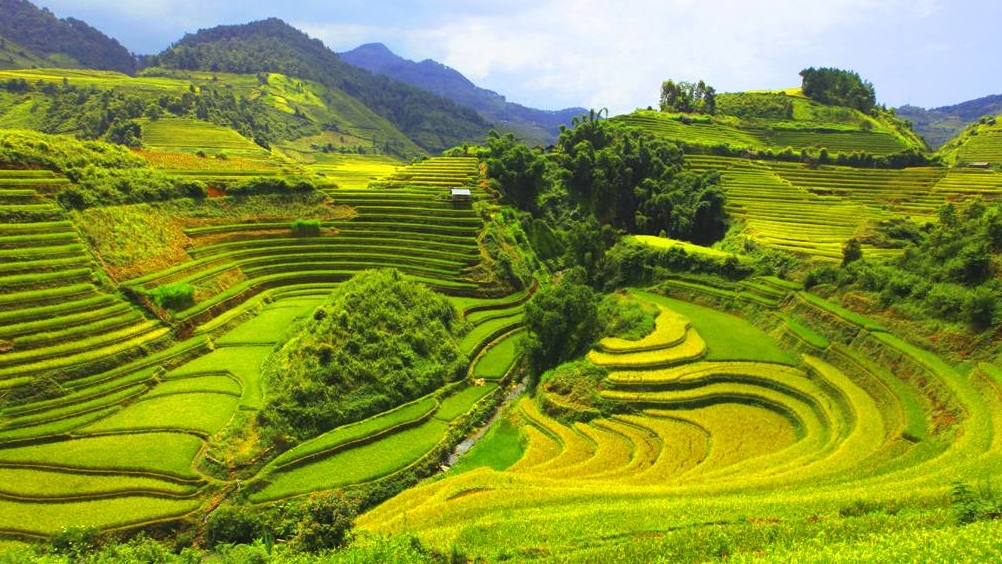
In Mai Chau, rice fields sit close to White Thai stilt houses and everyday village life (Source: Collected)
This makes Mai Chau especially good for slow travel. It suits couples who want quiet scenery, families who do not want hard trekking, older guests who prefer flat paths, and photographers looking for natural moments rather than only dramatic viewpoints.
Best Time to See the Mai Chau Rice Terraces
The rice fields in Mai Chau change throughout the year. Exact timing can shift depending on weather and local farming schedules, so it is always worth checking with your accommodation a few weeks before you travel. Still, the valley usually follows a clear seasonal rhythm.
March to May: fresh green fields and easy cycling
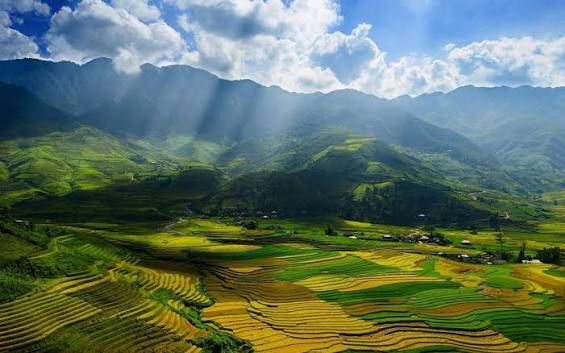
March to May is ideal for fresh green rice fields and gentle cycling through Mai Chau Valley (Source: Collected)
March to May is one of the best times to visit Mai Chau if you want soft green scenery. The weather is generally pleasant, the rice grows quickly, and the valley feels alive without being too hot. This period is excellent for cycling because the village roads are easier to enjoy before the heavier summer rains arrive.
The green fields may not look as dramatic as harvest season, but they photograph beautifully in the morning. The color is fresh rather than golden, and the mountains often appear clear after cool nights. If your trip is more about peace, fresh air and countryside life than “the perfect golden photo”, this is a very good season.
June to August: deep green valley, summer rain and moody skies
June to August brings fuller green fields and a more tropical feeling. The valley can look lush and dramatic, especially after rain. Clouds sometimes sit low over the mountains, and the fields appear almost brighter after a shower.
This season needs more flexibility. Afternoon rain is common, and heavy downpours can affect rural roads. The best way to plan is to keep activities short and early. Cycle in the morning, rest during the hottest or wettest part of the day, then go out again when the sky clears.
If you visit during summer, bring sandals or shoes that can handle mud, a light rain jacket and a waterproof bag for your phone or camera.
Late September to October: golden rice and harvest scenes
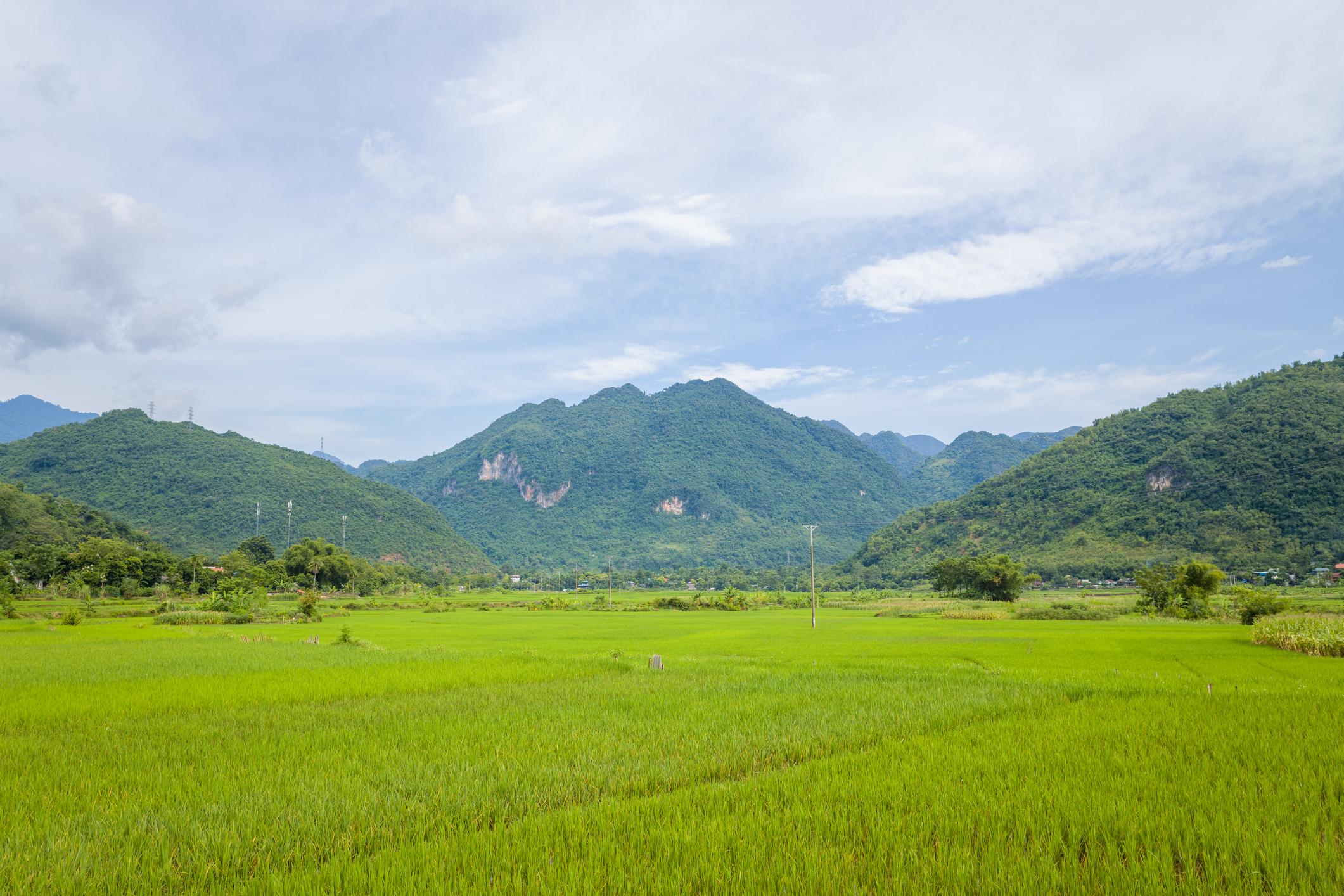
Late September to October is usually the best time to see golden rice terraces in Mai Chau (Source: Collected)
Late September to October is the highlight for many people searching for Mai Chau rice terraces. The fields turn from green to yellow, then to a warmer golden tone as harvest approaches. This is when the valley feels most photogenic.
The best scenes often happen in the early morning or late afternoon. Morning light gives the rice a soft glow, while late afternoon adds warmth to the whole valley. You may also see families working in the fields, bundling rice or moving along the paths with baskets and tools.
Because harvest depends on the year’s weather, do not treat one exact week as guaranteed. If your main goal is golden rice, ask your hotel or resort for a local field update before finalizing your dates.
November to January: cooler air and a quieter valley
After harvest, Mai Chau becomes calmer. The fields lose their golden color, but the valley still has a quiet charm. The air is cooler, mornings can feel misty, and the villages move at a slower pace.
This is not the best period for rice-field color, but it works well if you want a peaceful northern Vietnam retreat. It also pairs nicely with lakeside relaxation, local food, cycling, light walking and cultural experiences.
Best Villages and Viewpoints for Mai Chau Rice Terraces
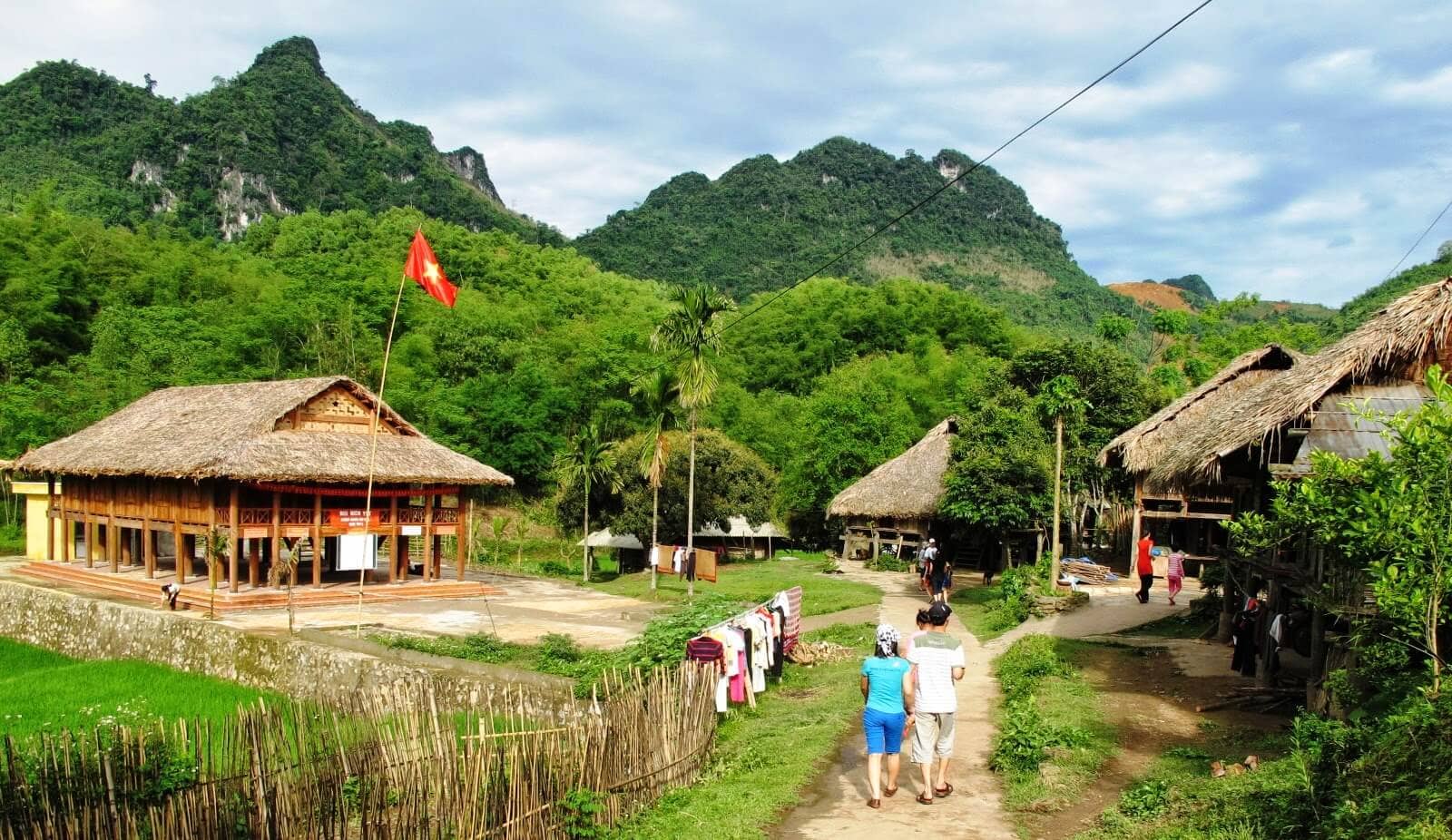
A simple Mai Chau rice terrace route can connect Lac Village, Pom Coong, quieter valley villages and Hoa Binh Lake (Source: Collected)
Mai Chau is not built around one single viewpoint. The best experience comes from moving slowly between villages and noticing how the landscape changes from one lane to another.
Lac Village: easiest place to start
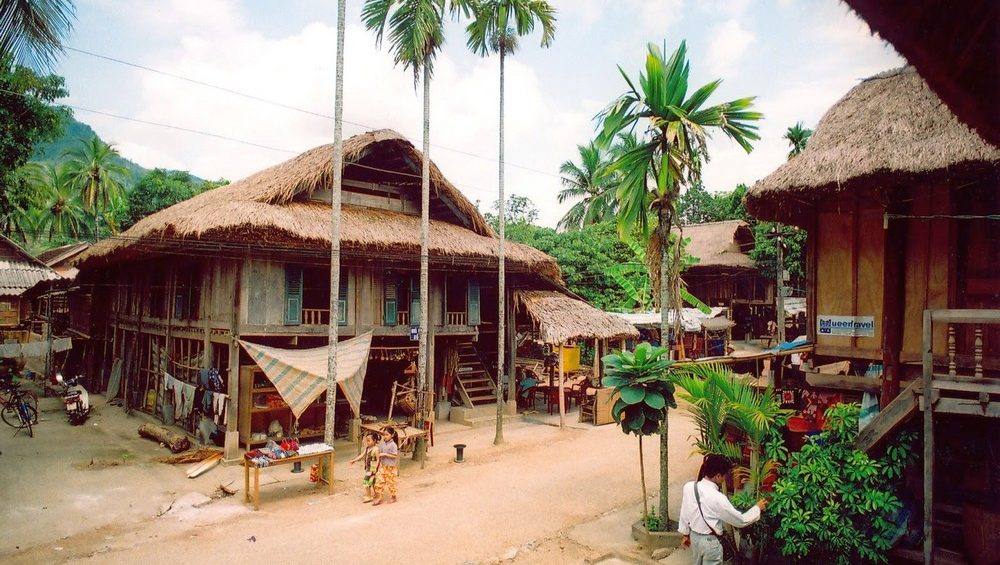
Lac Village is one of the easiest places to start a cycling route through Mai Chau rice fields (Source: Collected)
Lac Village is the most familiar name in Mai Chau, and it is still a practical starting point for first-time visitors. The village has many homestays, small restaurants, textile shops and bicycle rental options. From here, you can reach rice fields within minutes.
The scenery around Lac is simple but photogenic. Stilt houses stand close to the fields, and the paths are flat enough for casual cyclists. It is not the quietest area in Mai Chau, especially during weekends, but it gives you a clear introduction to the valley.
Best time to go: early morning before tour groups move around, or late afternoon when the light becomes softer.
Read more: What to see and do in Mai Chau - 5 experiences you can't miss
Pom Coong Village: good for sunrise and slow mornings
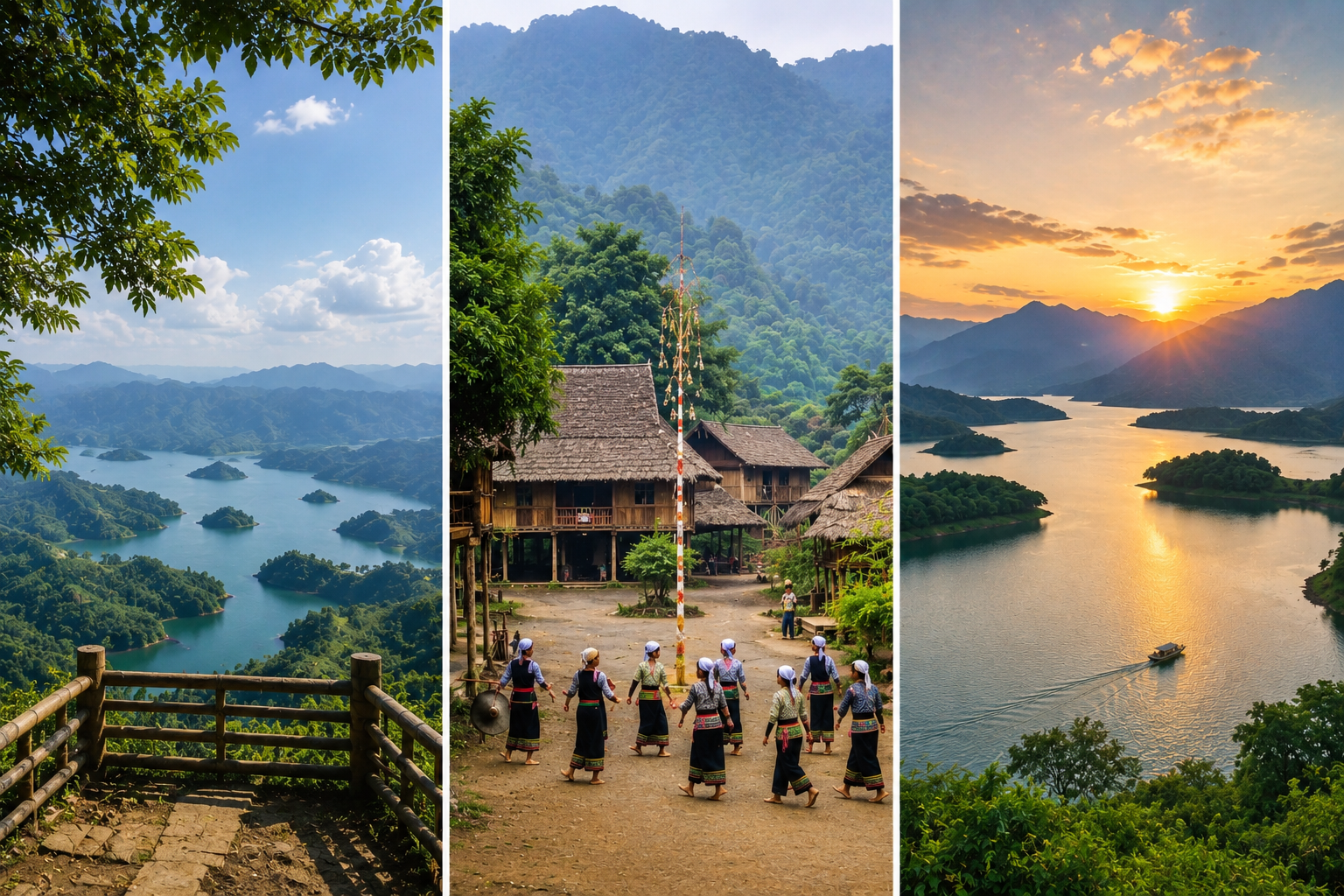
Pom Coong, Na Phon and Na Thia offer quieter rice-field views beyond the busiest village paths (Source: Collected)
Pom Coong sits close to Lac Village but often feels a little calmer. The village lanes are pleasant for a morning walk, and the rice fields nearby catch soft light after sunrise. If you wake up early, this is one of the nicest areas to feel Mai Chau before the day becomes busy.
Pom Coong is also a good place to notice the relationship between local homes and the fields. The stilt houses are not just a backdrop. They are part of the rhythm of the valley, where farming, cooking, weaving and tourism all sit close together.
Best time to go: 6:30-8:30, especially in March-May or late September-October.
Na Phon and Na Thia: quieter cycling and wider views
Na Phon and Na Thia suit people who want fewer shops and more open space. The fields spread wider here, and the roads feel calmer than the main tourist cluster around Lac and Pom Coong. If you only have one afternoon in Mai Chau, cycling through these areas gives a better sense of the valley’s rural side.
These villages are also useful for photography because the scenery feels less crowded. Instead of looking for a single famous viewpoint, move slowly and stop when the field lines, houses and mountains come together naturally.
Best time to go: late afternoon, when the sun drops lower and the valley gains more depth.
Nhot Village: peaceful field patterns and open scenery
Nhot Village is a good choice if you prefer a quieter route. The rice fields here can form clean lines and gentle patterns, especially from slightly higher ground or open roads. It is a better fit for people who enjoy unhurried scenery rather than busy village stops.
If you are using a camera, look for small details: the curve of a field edge, a farmer walking between paddies, a bicycle leaning near a stilt house, or a mountain line behind the rice. These images often feel more honest than a wide-angle shot taken too quickly.
Best time to go: morning for clear air, or late afternoon for warmer color.
Pa Co and Hang Kia: highland mood beyond the main valley
Pa Co and Hang Kia sit higher than central Mai Chau. The scenery feels different here: cooler air, more clouds, ethnic minority markets, mountain roads and fields shaped by higher terrain. These areas are not as easy as Lac or Pom Coong, but they add variety if you have two or three days.
The weather can change quickly. A clear morning may turn cloudy within an hour, and mist can move across the slopes. That mood is part of the appeal. If you want a more dramatic landscape without going as far as Sapa or Mu Cang Chai, Pa Co and Hang Kia are worth considering.
Best time to go: early morning, especially on market days or when the forecast is clear.
Mai Chau Rice Terraces vs Sapa, Mu Cang Chai and Pu Luong
If you are choosing between several northern Vietnam rice-field destinations, the right answer depends on your travel style.
|
Destination
|
Best for
|
Main difference
|
|
Mai Chau
|
Easy cycling, village life, short trips from Hanoi
|
Gentle valley scenery, flat paths, relaxed pace
|
|
Sapa
|
Trekking, highland villages, mountain views
|
More developed, cooler, busier in popular areas
|
|
Mu Cang Chai
|
Dramatic rice terraces and photography
|
Farther from Hanoi, stronger mountain scenery
|
|
Pu Luong
|
Nature, trekking, rice fields and waterfalls
|
More remote feeling, beautiful valleys and streams
|
|
Hoang Su Phi
|
Serious rice terrace photography
|
Farther, less convenient, very dramatic in harvest season
|
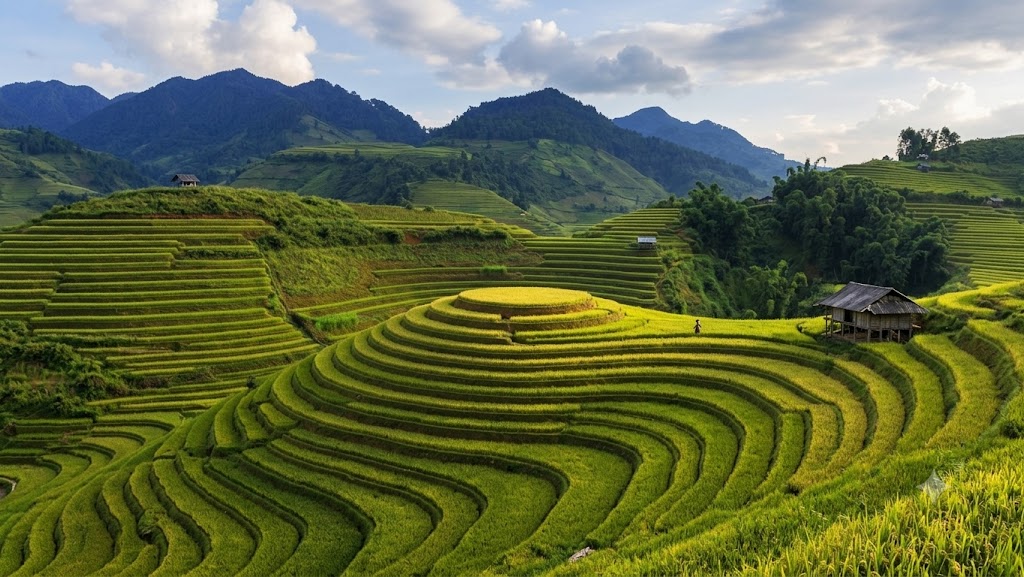
Mai Chau offers a gentler rice-field experience than higher mountain destinations such as Sapa or Mu Cang Chai (Source: Collected)
- Choose Mai Chau if you want a peaceful trip that is easy to organize. It is not the most dramatic rice terrace destination in Vietnam, but it may be the most comfortable one for a short northern escape. You can cycle, walk, eat local food, visit villages and still have time to rest.
- Choose Sapa or Mu Cang Chai if your priority is high mountain scale. Choose Pu Luong if you want a more nature-focused route with trekking and waterfalls. Choose Mai Chau if your ideal day starts with rice fields and ends with a quiet dinner, a lake view or a swim after cycling.
Things to Do Around Mai Chau Rice Terraces
- Cycle through the valley :Cycling is the easiest way to enjoy Mai Chau rice terraces. The valley floor is mostly gentle, and the small roads between villages are much easier than mountain trekking routes. You do not need to be an experienced cyclist. A slow ride with frequent stops is enough. The best routes usually connect Lac, Pom Coong, Na Phon, Na Thia and nearby field lanes. Ask your accommodation which paths are dry and suitable during your travel dates, especially after rain.
- Walk early in the morning: Mai Chau mornings are worth waking up for. The air feels cooler, the fields are quieter, and the first light softens the whole valley. A walk before breakfast often gives you better photos than a long midday tour. Bring only what you need: phone or camera, water, light jacket in cooler months and a little cash for coffee. Keep to the paths and avoid stepping onto field edges, especially when the soil is wet or the rice is young.
Hoa Binh Lake adds kayaking, mountain views and a slower rhythm to a Mai Chau rice terrace trip
- Visit White Thai stilt houses and textile workshops: Mai Chau is closely connected with White Thai culture. Traditional stilt houses, weaving, local meals and evening performances are part of the valley’s identity. In Lac and Pom Coong, you can see textiles sold in village shops and sometimes watch weaving in front of local homes. Buy thoughtfully. A small purchase from a local shop or workshop is a better souvenir than taking photos without engaging with the community.
- Try local food after a field walk: Rice-field scenery feels more complete when paired with a local meal. Look for cơm lam, grilled pork, hill chicken, bamboo shoots, sticky rice and seasonal greens. Meals in Mai Chau are usually simple, warm and filling, especially after a few hours of cycling. If you stay at a homestay, dinner may include shared dishes on a low table. If you stay at a resort, you can still plan one local-style meal in the valley before returning to a quieter setting for the night.
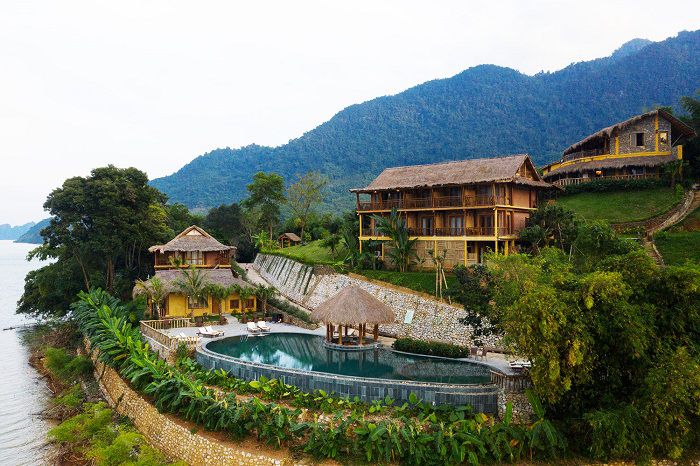
- Add Hoa Binh Lake to your trip: Hoa Binh Lake adds a different kind of landscape to a Mai Chau rice terrace trip. After cycling through villages, the lake gives you open water, forested mountains and a slower rhythm. This combination is especially good for people who do not want every day to feel like sightseeing. At Mai Chau Hideaway, the lake setting makes it easy to balance activity and rest. You can kayak, try bamboo rafting, cycle nearby routes, swim in the infinity pool or simply sit with the mountain view after a day in the valley.
Where to Stay for Mai Chau Rice Terraces
- Homestay in Lac or Pom Coong: A homestay in Lac or Pom Coong puts you close to the rice fields. You can walk out early, rent a bicycle easily and feel the village atmosphere from morning to night. This is a good choice if you want a simple, local experience and do not mind being in the busier part of Mai Chau. The trade-off is privacy and comfort. Some homestays are basic, and weekends can feel lively when groups arrive.
- Small lodge near the valley: A small lodge around Mai Chau gives you a little more comfort while keeping you close to the fields. This option suits guests who want private rooms, better facilities and easy access to cycling routes. It is a balanced choice if rice terraces are the main reason for your trip and you want to spend most of your time inside the valley.
- Lakeside resort near Hoa Binh Lake: A lakeside stay gives the trip a more restful ending. This is not the same as sleeping directly beside the rice fields, but it can be a better choice if you want comfort, views and a wider nature experience. Mai Chau Hideaway is a strong fit for this style of trip. The resort sits by Hoa Binh Lake and offers a quieter base with rooms inspired by local stilt-house architecture, lake scenery, an infinity pool, kayaking, bamboo rafting and cycling. It works especially well for couples, families and guests who want to enjoy Mai Chau rice terraces during the day without staying in the busiest village area at night.
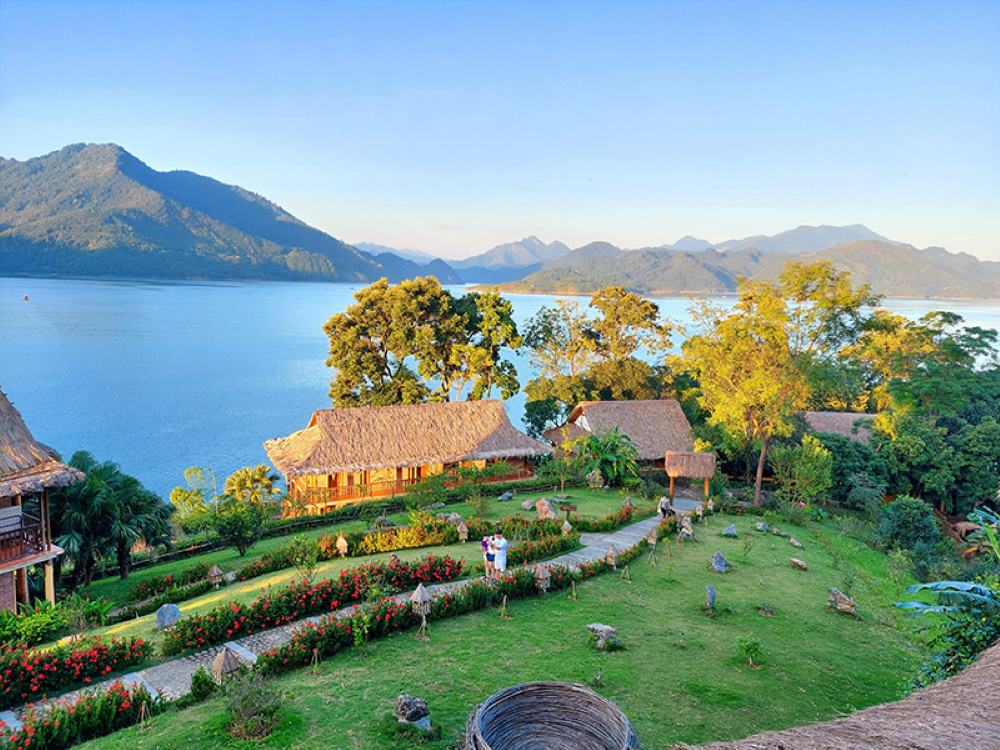
Mai Chau Hideaway offers a peaceful lakeside base after a day exploring the rice terraces of Mai Chau Valley
A good way to plan it is simple: spend your active hours in the rice fields, then return to the lake for rest. That rhythm makes the trip feel less rushed and more complete.
Read more: Hidden Resort in Northern Vietnam: 6 Quiet Escape Beyond the Usual Route
Responsible Travel Tips for Visiting Mai Chau Rice Fields
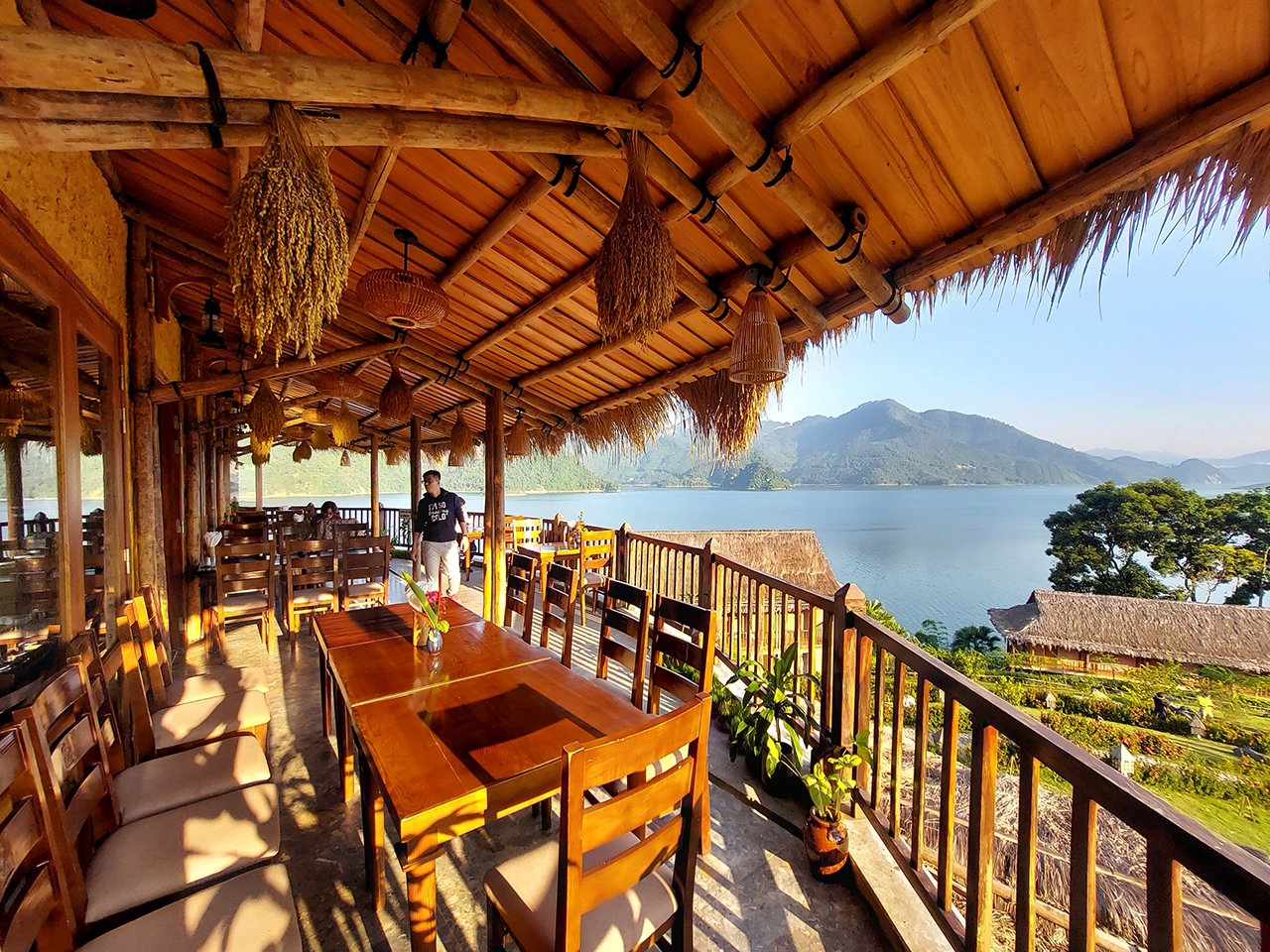
Stay on village paths and avoid stepping into planted rice fields when exploring Mai Chau
Rice terraces are working farmland, not just a photo background. A few small choices can make your visit more respectful. Stay on village paths and field edges that are clearly walkable. Do not step into planted paddies or climb across narrow rice banks for a better angle. The field edges can be fragile, especially during wet months.
Ask before taking close-up photos of local people. Wide landscape shots are usually fine, but portraits, children and workers in the fields deserve more care.
Do not fly a drone casually over houses, crowds or farming areas. Vietnam has rules for unmanned aircraft, and restricted zones can change. Before bringing a drone, check current regulations, ask your accommodation for local advice and avoid flying if you are unsure. A good photo is not worth disturbing a village or breaking local rules.
Carry cash for small purchases, coffee, snacks or bicycle rental. Many small shops in the villages may not accept cards. Travel slower than you think you need to. Mai Chau is not a place to rush through a checklist. The best moments often happen when you stop beside a field, sit with a drink, or take the longer road back to your stay.
Practical Tips Before You Go
Pack light layers if you visit from November to March, as mornings and evenings can be cool. From June to August, bring rain protection and avoid planning long outdoor activities in the afternoon. For cycling, comfortable shoes or sandals that can handle dirt roads are better than dress shoes. If golden rice is your main goal, contact your hotel or resort before booking. Harvest timing can shift from year to year, and a local update is more useful than a fixed online date.
If you are staying at Mai Chau Hideaway, plan your rice terrace route in advance. Because the resort is better suited to lakeside relaxation than stepping directly into Lac Village, you should organize transport or a guided route for the valley. This small planning step makes the trip smooth: rice fields in the morning, lake and pool in the afternoon, quiet dinner in the evening.
FAQs About Mai Chau Rice Terraces
Are there rice terraces in Mai Chau?
→ Yes. Mai Chau has rice terraces and rice paddies across the valley, especially around villages such as Lac, Pom Coong, Na Phon, Na Thia and Nhot. The terraces are gentler than those in Mu Cang Chai or Sapa, but they are easy to reach and very pleasant for cycling, walking and photography.
When is the best month to see golden rice in Mai Chau?
→ Late September to October is usually the best time to see golden rice in Mai Chau. October is often the most attractive month because harvest season brings warmer colors and more farming activity in the fields. Exact timing can vary by year, so check locally before booking if golden rice is your priority.
Is Mai Chau better than Sapa for rice fields?
→ Mai Chau is better if you want an easier, quieter and more relaxed rice-field experience near Hanoi. Sapa has more dramatic mountain scenery and larger trekking routes, but it is also more developed and can feel busier. Mai Chau is ideal for cycling, short walks, local village life and gentle scenery.
Can I visit Mai Chau rice terraces on a day trip from Hanoi?
→ Yes, but a day trip is rushed. You can visit Lac and Pom Coong, take a short walk or cycle through nearby fields, have lunch and return to Hanoi. For a better experience, stay at least one night so you can see the rice terraces in the early morning or late afternoon light.
Can I fly a drone over Mai Chau rice terraces?
→ Do not assume you can fly freely. Drone use in Vietnam is regulated, and restricted zones may apply. Before flying, check current rules, ask your accommodation for local advice and avoid flying near houses, crowds, schools, roads or sensitive areas. If anyone asks you to stop, land immediately.
Where should I stay to enjoy Mai Chau rice terraces?
→ Stay in Lac or Pom Coong if you want to sleep directly near the rice fields. Choose a lodge around the valley if you want more comfort while staying close to cycling routes. Choose Mai Chau Hideaway if you want to combine rice terrace sightseeing with a quieter lakeside resort experience beside Hoa Binh Lake.
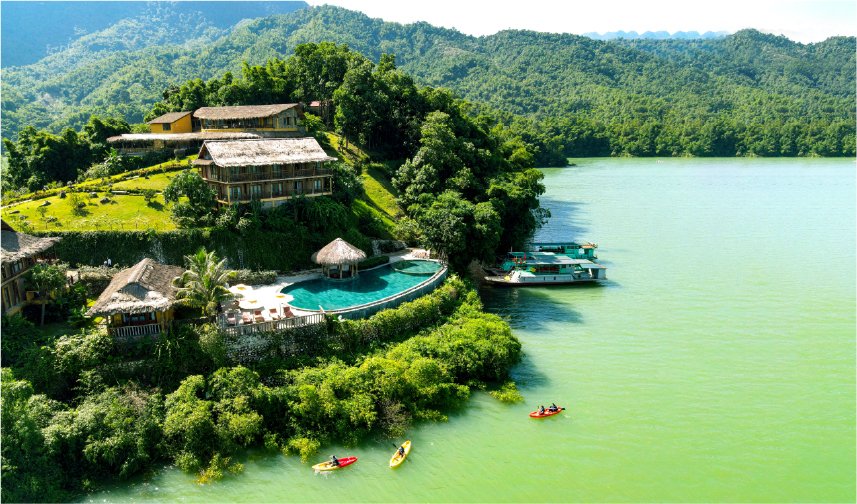
End your Mai Chau rice terrace trip with a slower evening by Hoa Binh Lake
Mai Chau rice terraces are not about chasing the biggest view in northern Vietnam. They are about closeness: the sound of bicycles on village lanes, the smell of cooking from stilt houses, the color of young rice after rain, and the quiet glow of harvest fields before sunset. If your trip is short, focus on Lac, Pom Coong and the nearby valley villages. If you have more time, add Pa Co, Hang Kia or a lakeside stay near Hoa Binh Lake. The best Mai Chau itinerary is not the one with the most stops. It is the one that gives you enough time to slow down.
For a balanced trip, spend your active hours among the rice terraces, then retreat to the water and mountains at Mai Chau Hideaway. It gives you both sides of the destination: the living valley of Mai Chau by day, and the calm of Hoa Binh Lake when the evening comes.