Ken Village Pu Luong is a peaceful mountain destination where traditional stilt houses, agricultural landscapes and the everyday life of the Thai ethnic community offer an authentic glimpse into rural Vietnam. Unlike more commercialized destinations, Ken Village attracts travelers seeking quiet trekking routes, cultural immersion and unspoiled countryside scenery.
One of its highlights is the approximately 3.4-kilometer trekking route connecting Ken Village with Hang Village. Visitors can explore traditional houses, discover distinctive local specialties such as quyt hoi mandarins and experience the slower rhythm of mountain life.
Where is Ken Village Pu Luong?
Ken Village, known locally as Ban Ken (Bản Kén), is located in the mountainous Pu Luong region of Thanh Hoa Province, Vietnam. The village is surrounded by limestone mountains, agricultural fields, traditional wooden houses and countryside trails connecting neighboring communities.
Situated within the wider Pu Luong Nature Reserve region, Ken Village retains a relatively peaceful atmosphere. Its landscape and cultural identity are closely connected to the Thai ethnic community, whose agricultural practices, traditional architecture and culinary customs have developed over generations.
Travelers searching for directions may also encounter the name Eo Ken. Before arranging transportation, confirm whether your intended destination is Ken Village itself or the Eo Ken viewpoint.
.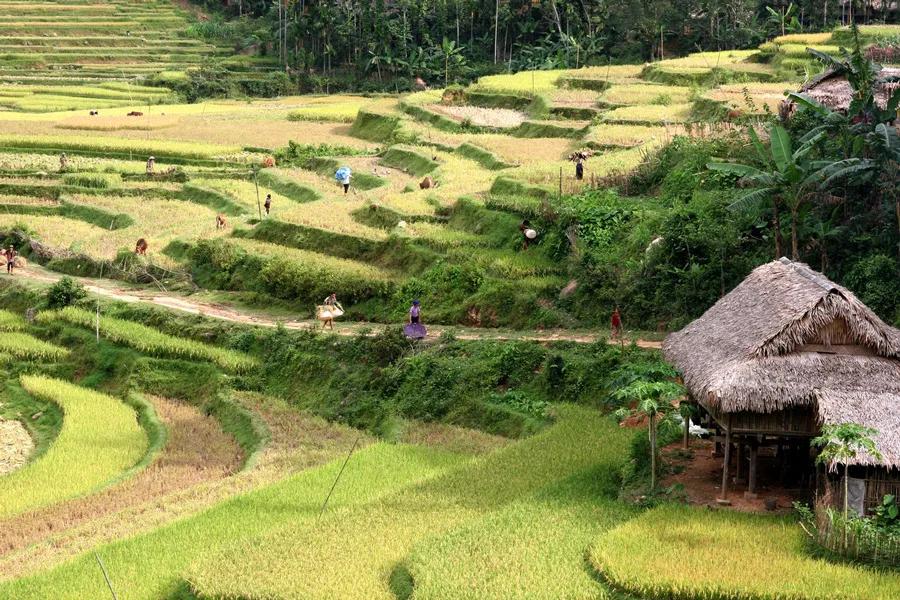
Ken Village Pu Luong retains its peaceful rural atmosphere amid mountains and traditional Thai stilt houses (Source: Collect)
Travel information
|
Details |
| Destination |
Ken Village (Ban Ken) |
| Location |
Pu Luong, Thanh Hoa, Vietnam |
| Main attractions |
Trekking, mountain scenery and Thai culture |
| Recommended visit duration |
Half a day to one day |
| Highlight trekking route |
Ken Village - Hang Village |
| Trekking distance |
Approximately 3.4 km |
Recommended travel period
|
May-June and September-October |
| Suitable for |
Nature lovers, cultural travelers and beginner trekkers |
What makes Ken Village different from other villages in Pu Luong?
While Pu Luong is widely recognized for its rice terraces, waterfalls and traditional water wheels, Ken Village offers a more understated countryside experience. Its appeal lies in everyday agricultural activities, traditional houses and relatively quiet walking trails rather than organized tourist attractions.
Compared with Don Village, which attracts visitors with panoramic rice terraces and developed accommodation facilities, Ken Village is particularly suitable for travelers who prefer slow travel and cultural exploration.
The connection between Ken Village and Hang Village also creates an accessible trekking opportunity. Instead of exploring a single settlement, visitors can walk through different rural landscapes and discover how neighboring communities interact with their natural surroundings.
| Village |
Main highlights |
Best for |
| Ken Village |
Quiet trails, traditional houses and rural life |
Slow travel and cultural immersion |
| Don Village |
Panoramic rice terraces and accommodation |
Photography and first-time visitors |
| Hang Village |
Thai culture and agricultural landscapes |
Gentle trekking |
| Kho Muong Village |
Limestone mountains and secluded valleys |
Nature exploration |
| Hieu Village |
Waterfalls and forest scenery |
Outdoor adventures |
Ken Village is an excellent choice for visitors who want to experience Pu Luong beyond its most photographed locations.
How to get to Ken Village Pu Luong
Ken Village is accessible through the wider Pu Luong road network. However, smaller village roads may be narrow, steep or difficult to navigate during unfavorable weather conditions.
From Hanoi to Ken Village
Travelers departing from Hanoi can reach Pu Luong by private car, tourist transfer or motorbike. One popular approach is to travel through Mai Chau before continuing toward Pu Luong.
Hiring a private car with an experienced driver is particularly convenient for international visitors. It allows flexible sightseeing stops, easier luggage transportation and more control over departure and return times.
Before traveling, confirm whether your vehicle can reach the village or your intended trekking starting point. Some smaller routes may require visitors to continue on foot or arrange local transportation.
From Mai Chau to Ken Village
Mai Chau is a convenient starting point for travelers combining lakeside relaxation with trekking adventures in Pu Luong. The journey passes through mountain roads, agricultural landscapes and traditional rural settlements.
The transfer from Mai Chau Hideaway Lake Resort to the wider Pu Luong area takes approximately two hours, although additional time may be required to reach Ken Village.
Visitors can simplify their travel arrangements by booking the Pu Luong Nature Reserve Explore Tour or contacting the resort to discuss a customized trekking itinerary.
Getting around Ken Village
Walking is the most rewarding way to discover Ken Village. Smaller paths connecting residential areas, agricultural fields and neighboring communities allow travelers to appreciate scenery that may be overlooked when traveling by vehicle.
Motorbike access is possible on some routes, depending on road conditions. During the rainy season, however, unpaved roads and downhill sections can become slippery.
Download offline maps and arrange return transportation before starting your village exploration.
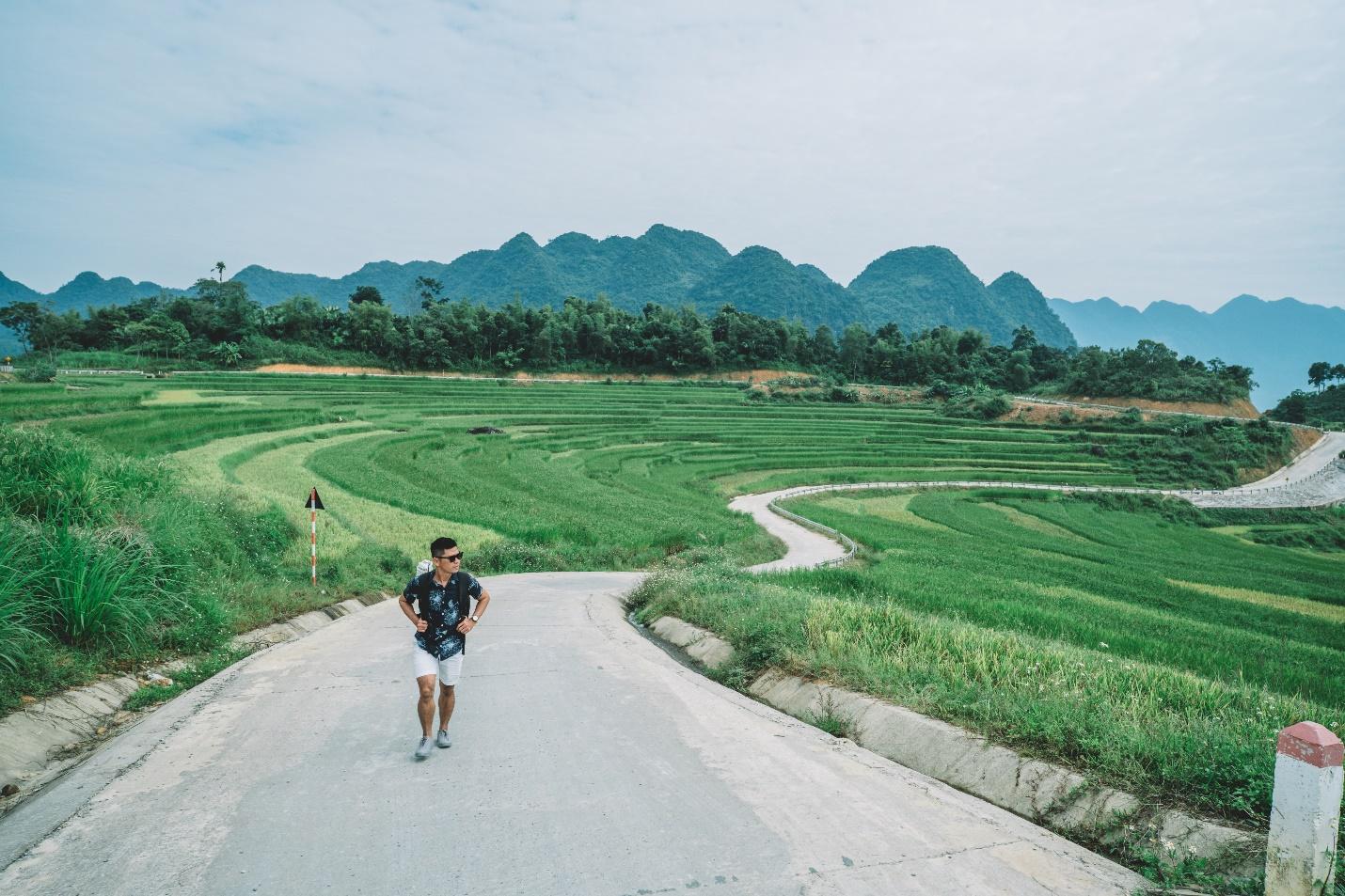
Scenic mountain roads and countryside trails make the journey to Ken Village an experience in itself
Trekking from Ken Village to Hang Village
The Ken Village - Hang Village trekking route is one of the highlights of visiting this part of Pu Luong. Covering approximately 3.4 kilometers with an elevation gain of around 67 meters, the route offers an accessible introduction to trekking through northern Vietnam's mountain communities.
Unlike more demanding mountain hikes, this trail focuses on agricultural landscapes, traditional settlements and opportunities to observe local life.
Ken Village - Hang Village trekking route overview
| Trekking information |
Details |
| Starting point |
Ken Village |
| Destination |
Hang Village |
| Distance |
Approximately 3.4 km |
| Elevation gain |
Approximately 67 m |
| Estimated walking time |
1-2 hours |
| Difficulty |
Easy under favorable conditions |
| Terrain |
Dirt trails, village paths and agricultural areas |
| Recommended equipment |
Walking shoes, drinking water and insect repellent |
| Local guide |
Recommended for first-time visitors |
The estimated walking time does not include the return journey, extended photography stops or additional sightseeing in Hang Village.
What to expect along the trekking trail
The trail begins around Ken Village before gradually leading visitors through quieter agricultural areas and natural landscapes. Along the way, traditional stilt houses give way to cultivated fields, forest vegetation and smaller countryside paths.
Travelers may encounter residents tending crops, transporting agricultural products or carrying out everyday activities. These encounters provide an opportunity to understand the relationship between local communities and the surrounding natural environment.
Although the route is relatively short, some sections include uneven terrain, downhill slopes and areas near streams. Rainfall can make these surfaces slippery, so appropriate footwear is essential.
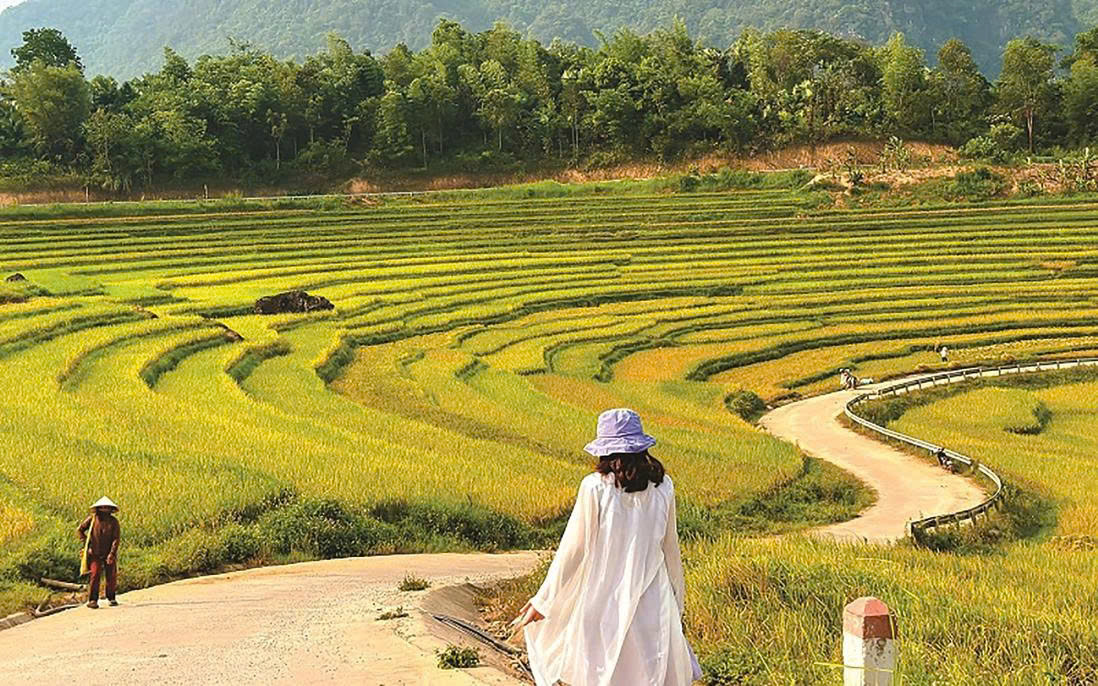
The trekking route from Ken Village to Hang Village takes visitors through traditional settlements and peaceful countryside landscapes
Explore Hang Village after trekking
Upon reaching Hang Village, visitors can continue discovering traditional Thai stilt houses, agricultural scenery and everyday community life.
Consider arranging a traditional lunch with a local host or spending additional time exploring accessible village pathways. This allows you to experience the destination without immediately rushing back to your starting point.
As the trek connects two separate villages, arranging transportation from Hang Village in advance can help avoid an unnecessary return walk.
Read more: Trekking in Pu Luong: A first-timer’s guide to routes, timing and tips
Best things to do in Ken Village Pu Luong
Beyond trekking, Ken Village offers several opportunities to discover the cultural identity and natural heritage of Pu Luong. Its quieter atmosphere makes it particularly suitable for travelers interested in meaningful experiences rather than conventional sightseeing.
Discover traditional Thai stilt houses
Traditional stilt houses are an important feature of Ken Village. Their elevated wooden structures reflect generations of adaptation to the mountainous environment and the agricultural lifestyles of local communities.
The space beneath these houses may be used for storage, household activities or agricultural equipment, while the elevated living areas provide ventilation and separation from the ground.
Walking through the village offers visitors an opportunity to appreciate traditional architecture in its original residential setting. Remember to ask permission before entering private houses or photographing their interiors.
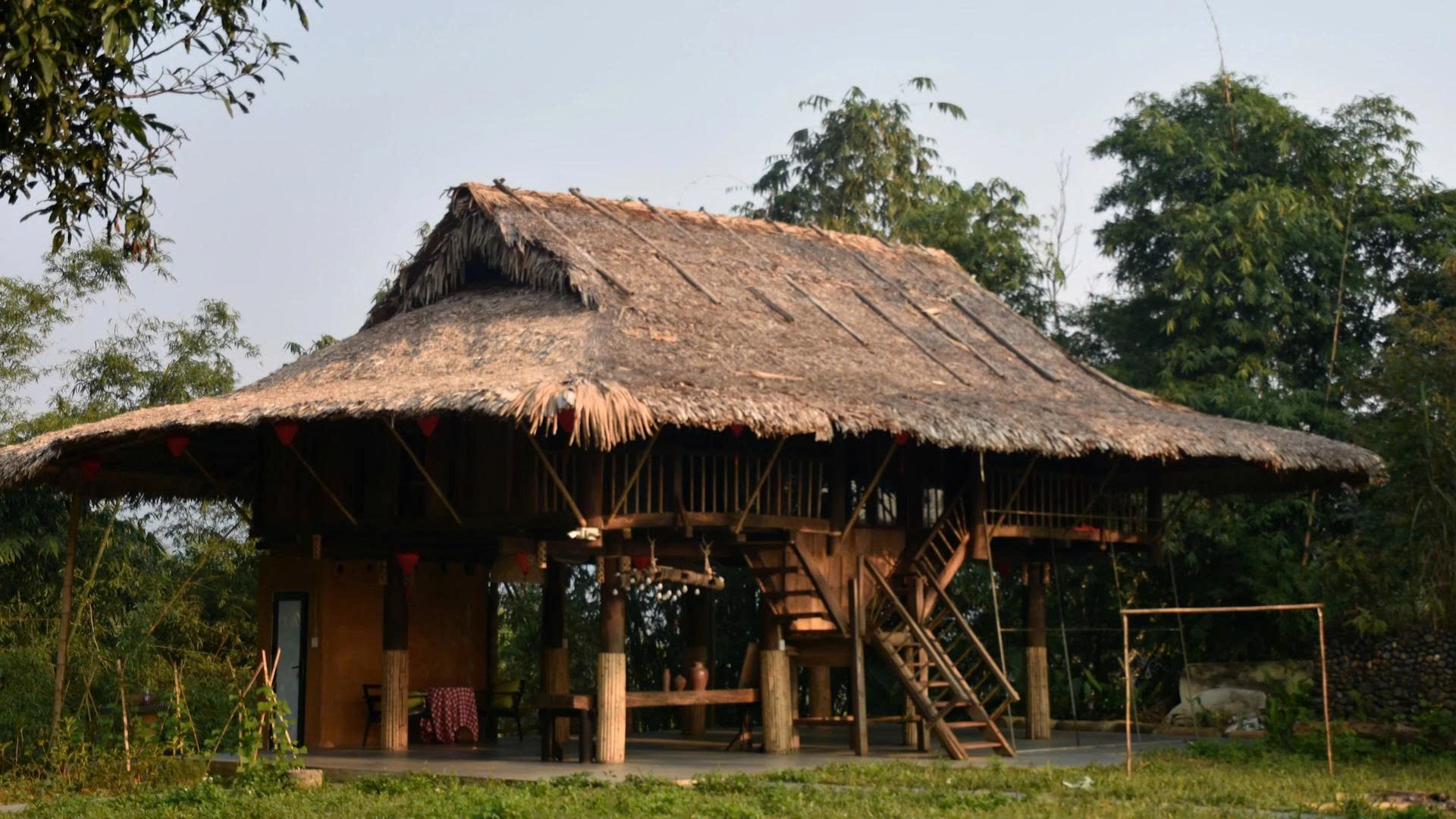
Traditional Thai stilt houses reflect the cultural heritage and architectural identity of Ken Village
Experience authentic local village life
Early morning is an excellent time to explore Ken Village, when residents begin their daily routines and the countryside remains particularly peaceful. Depending on the season, travelers may observe agricultural activities, gardening, traditional food preparation and other household tasks. These everyday moments offer a more personal understanding of rural Vietnam than visiting commercial tourist attractions.
Traveling with a local guide can help international visitors overcome language barriers and learn more about traditional customs, farming practices and community life.
Stay overnight at a traditional homestay
Staying at a local homestay allows visitors to experience Ken Village beyond a short sightseeing trip. Guests may have opportunities to enjoy traditional meals, interact with local hosts and discover the peaceful atmosphere of the village during the evening and early morning.
Homestay facilities can be relatively basic compared with hotels and resorts. Before booking, confirm bathroom arrangements, bedding, hot water availability, meal services and transportation options. This accommodation style is particularly suitable for travelers who prioritize cultural immersion over modern amenities.
Enjoy countryside photography
Ken Village offers attractive opportunities for photographing traditional houses, agricultural landscapes, mountain ridges and everyday rural activities.
Early mornings and late afternoons generally provide softer natural light, while occasional mountain mist can create atmospheric landscape photographs.
Travelers interested in panoramic scenery can combine their village exploration with the scenic S-shaped road in Pu Luong, where mountain roads and surrounding landscapes create additional photography opportunities.
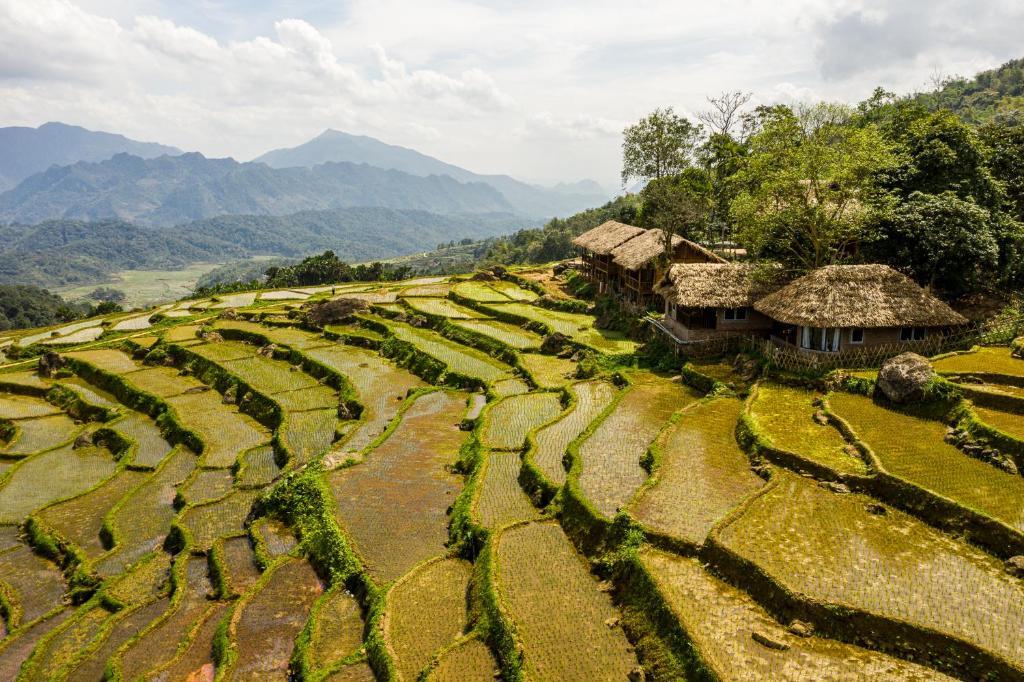
Traditional houses, agricultural fields and mountain scenery create beautiful photography opportunities in Ken Village (Source: VnExpress)
Discover quyt hoi - A unique specialty of Ken Village
One of the lesser-known highlights of Ken Village Pu Luong is quyt hoi, a fragrant local mandarin variety associated with the surrounding region.
Unlike commercially cultivated mandarins commonly found in urban markets, quyt hoi has a relatively small size, rough peel and distinctive citrus fragrance. Aromatic oils in the peel release a noticeable scent when the fruit is opened.
Its sweet-and-sour flavor makes it suitable for eating fresh or incorporating into traditional food preparations. Local residents also use its fragrant leaves as a seasoning.
Quyt hoi is distinctive for several reasons:
- Unique appearance: Small fruit with naturally rough skin.
- Strong fragrance: Aromatic oils create a recognizable citrus scent.
- Refreshing flavor: A combination of sweetness and acidity.
- Traditional culinary uses: Both the fruit and leaves can be used in food preparation.
- Seasonal availability: Fresh fruit is not necessarily available throughout the year.
Depending on local availability, visitors may also encounter quyt hoi tea and other citrus-based products.
Discovering this specialty offers an opportunity to learn about the relationship between regional agriculture, traditional ingredients and the culinary identity of Pu Luong.
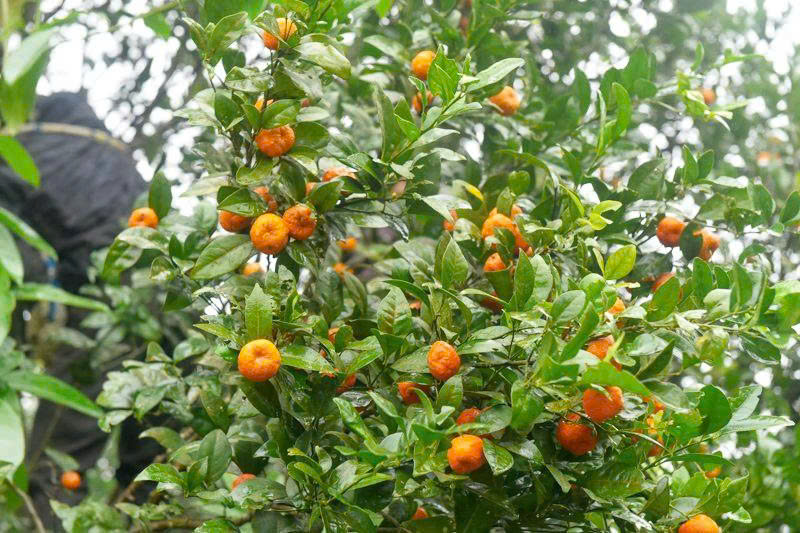
Quyt hoi mandarins are a distinctive local specialty known for their fragrant peel and sweet-and-sour flavor (Source: Bao Dan toc & Phat trien)
What to eat in Ken Village Pu Luong
Traditional cuisine in Ken Village reflects the agricultural practices and natural resources of northern Vietnam's mountain communities. Meals commonly feature locally raised poultry, freshwater fish, pork, bamboo shoots and seasonal vegetables.
Co Lung duck
Co Lung duck is one of Pu Luong's best-known regional specialties. Its relatively firm and flavorful meat is often prepared with traditional seasonings before being grilled over charcoal.
The grilling process creates a fragrant skin while preserving the natural flavor of the meat. It is commonly served with sticky rice, local herbs and traditional dipping sauces.
Grilled stream fish with mac khen
Freshwater fish seasoned with mac khen, an aromatic mountain spice related to Sichuan pepper, is another traditional dish worth trying.
Grilling over charcoal gives the fish a smoky aroma, while mac khen adds a citrus-like fragrance and mild tingling sensation. The dish illustrates how local communities combine fresh ingredients with distinctive regional seasonings.
Bitter bamboo shoots
Bitter bamboo shoots are commonly used in traditional mountain cuisine. They may be boiled, stir-fried with meat or added to soups.
Although their characteristic bitterness may be unfamiliar to international visitors, the flavor becomes more balanced when combined with local herbs and seasonings.
Five-colored sticky rice
Five-colored sticky rice, known locally as xoi ngu sac, is traditionally prepared using natural plant-based coloring ingredients.
Its vibrant appearance and fragrant texture make it an important part of traditional meals and special occasions among ethnic communities in northern Vietnam.
Grilled local pork
Locally raised pork is often marinated with herbs and regional spices before being grilled over charcoal. Its rich flavor pairs particularly well with sticky rice, seasonal vegetables and traditional dipping sauces.
Visitors with dietary restrictions should communicate their requirements before arranging meals, particularly when dining at local homestays.
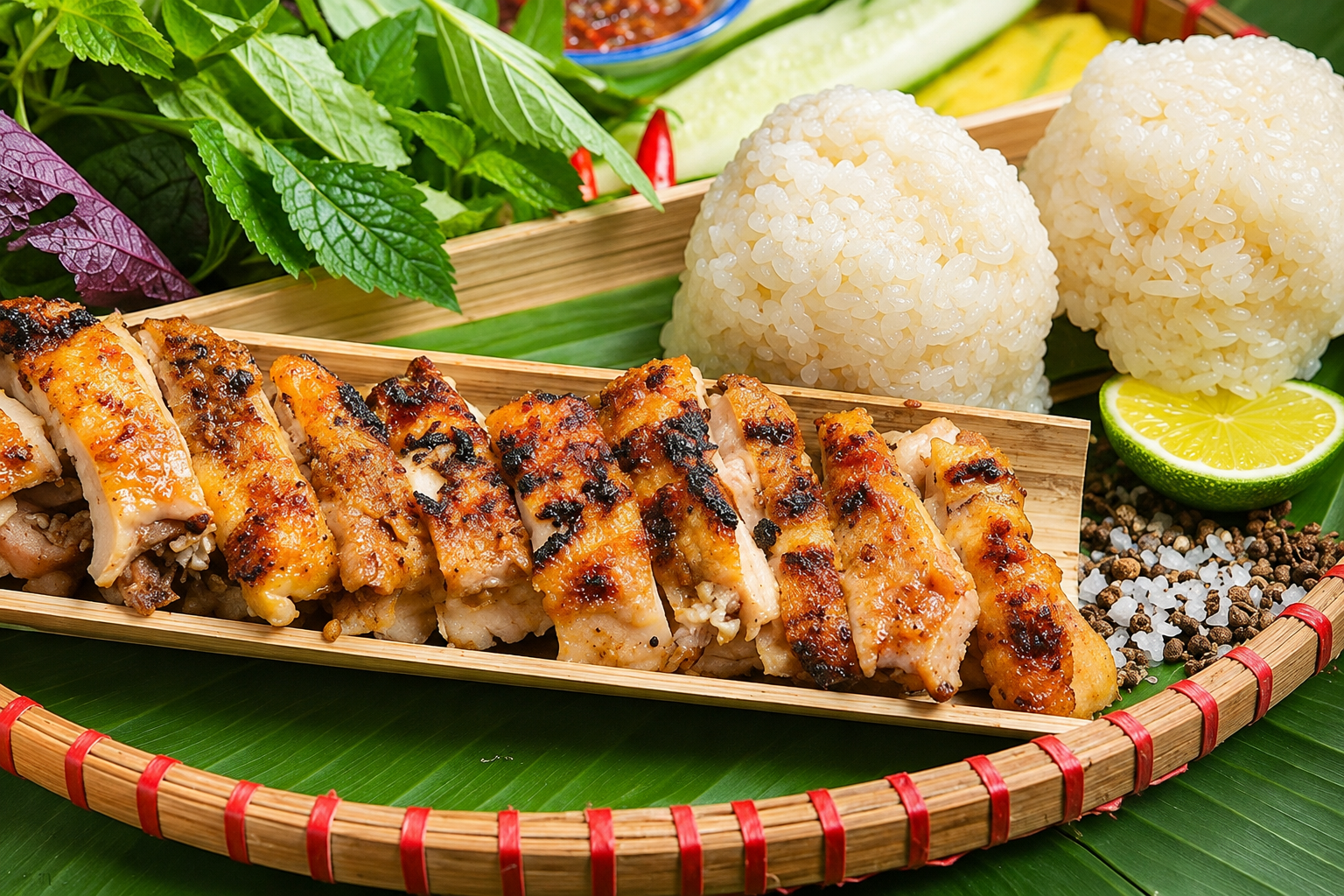
Traditional dishes in Ken Village showcase the distinctive ingredients and culinary traditions of Pu Luong
Best time to visit Ken Village Pu Luong
May to June and September to October are generally the most rewarding periods to visit Ken Village, particularly for travelers interested in agricultural scenery, countryside photography and trekking.
March to April - Comfortable trekking conditions
Spring offers relatively mild temperatures suitable for village walks and outdoor activities. Occasional mountain mist creates an attractive atmosphere for landscape photography.
This period is especially appealing to visitors who prioritize comfortable trekking conditions over golden rice terrace scenery.
May to June - Vibrant agricultural landscapes
During this period, agricultural landscapes across Pu Luong undergo noticeable seasonal changes. Depending on planting and harvesting schedules, visitors may encounter green fields, ripening rice or traditional harvesting activities.
The surrounding countryside also becomes increasingly lush, offering excellent opportunities for photography and cultural exploration.
July to August - Lush greenery and rainy-season scenery
Summer rainfall transforms the surrounding mountains and forests into vibrant shades of green. Streams and waterfalls may carry more water, contributing to the region's natural beauty.
However, muddy trails, slippery slopes and rising stream levels can affect trekking conditions. Travelers should avoid outdoor activities during severe weather.
September to October - Golden rice terraces
Autumn is particularly popular among travelers hoping to photograph Pu Luong's golden rice terraces. Mature rice fields, traditional houses and forested mountains create some of the region's most recognizable landscapes.
Harvest dates vary between villages, so confirming current agricultural conditions before traveling is recommended.
November to February - Peaceful winter retreats
Winter brings cooler temperatures and occasional mist across the mountain valleys. Although agricultural fields may be less colorful, the peaceful atmosphere is ideal for relaxed village walks and cultural experiences.
| Travel interest |
Recommended period |
| Comfortable trekking |
March-April |
| Seasonal rice field scenery |
May-June |
| Green mountains and forests |
July-August |
| Golden rice terraces |
September-October |
| Quiet countryside retreats |
November-February |
Read more: When is the best time to visit Pù Luông and must-see attractions
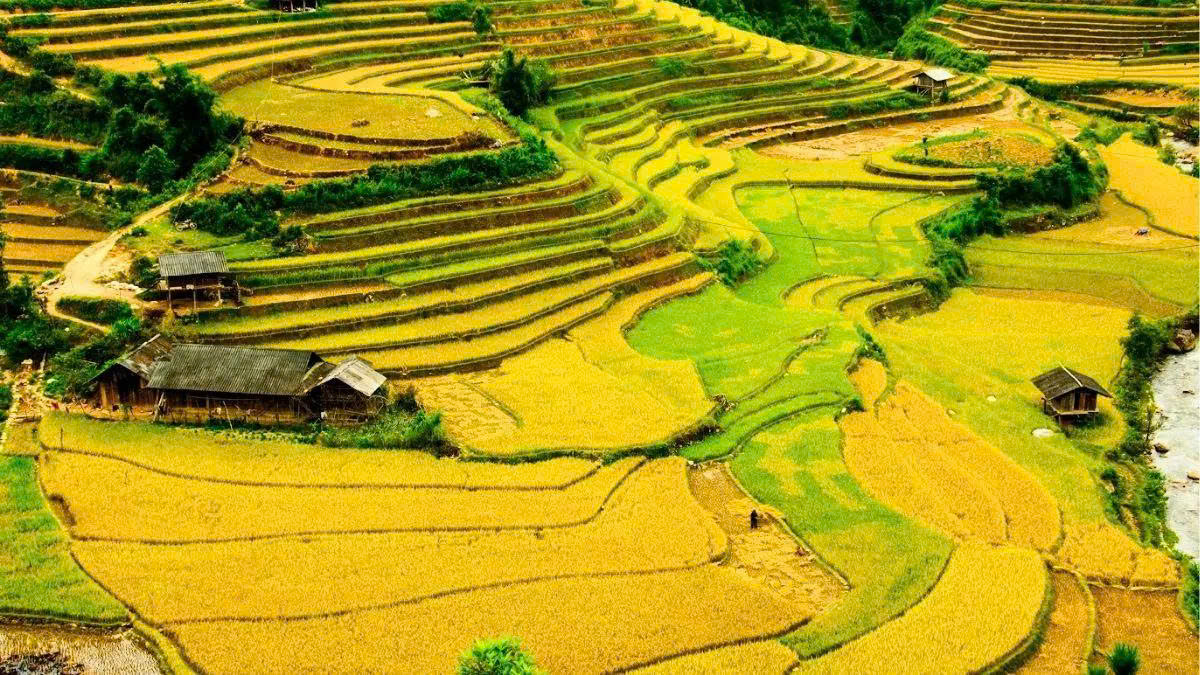
Golden rice fields and traditional mountain villages make autumn a rewarding season to explore Pu Luong (Source: Collect)
Nearby attractions to combine with Ken Village
Ken Village is best experienced as part of a wider Pu Luong itinerary. Combining several destinations allows travelers to discover different landscapes, cultural traditions and outdoor activities.
- Hang Village: Connected to Ken Village by a trekking trail, Hang Village is a natural addition to your itinerary. Its traditional houses, agricultural scenery and peaceful community atmosphere provide additional opportunities for cultural exploration.
- Don Village: is renowned for its panoramic rice terraces, mountain views and developed tourism facilities. Visiting both Ken Village and Don Village allows travelers to experience the contrast between Pu Luong's iconic agricultural landscapes and its quieter residential communities.
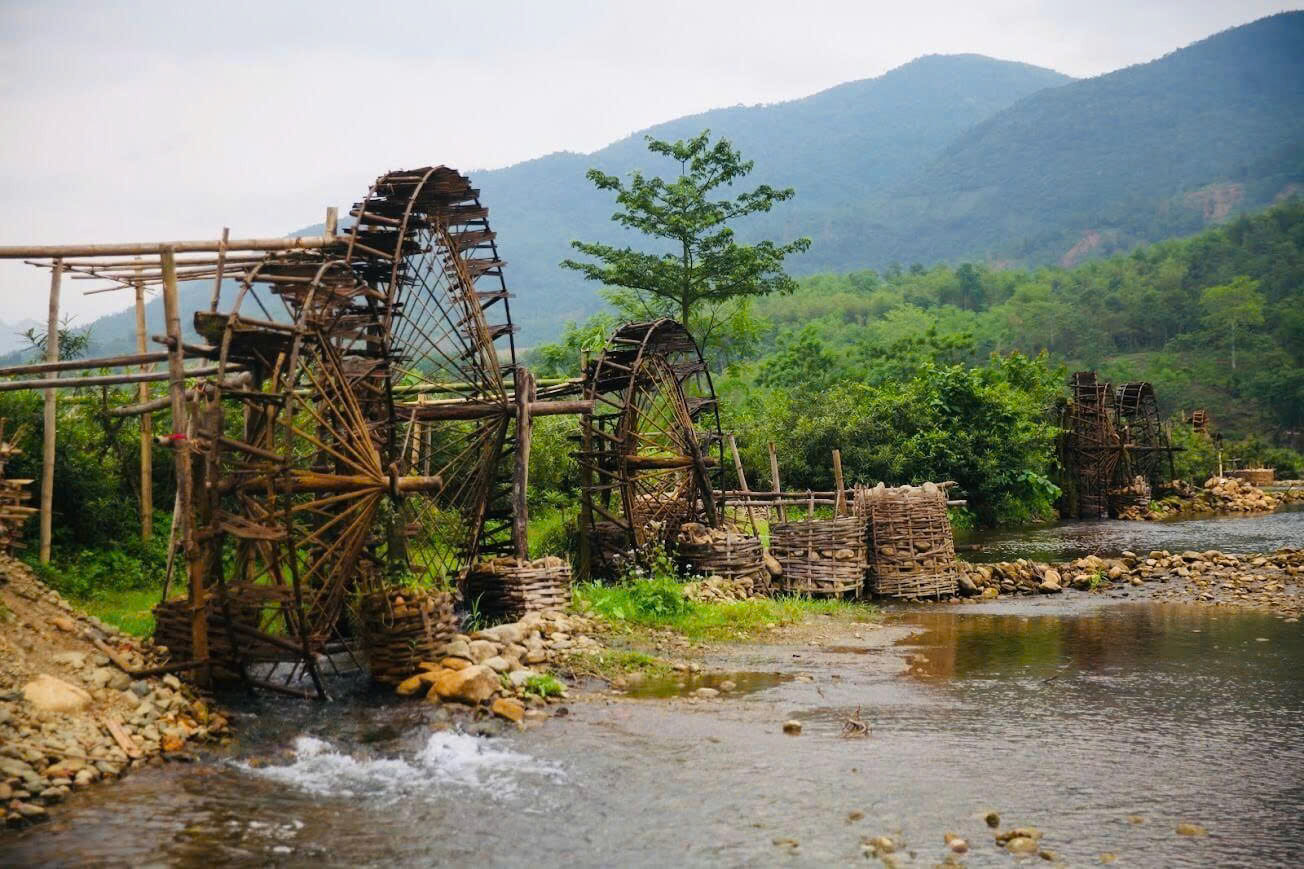
Traditional water wheels and mountain landscapes offer additional experiences during a Pu Luong countryside adventure
- Cham Stream is associated with traditional water wheels and bamboo rafting experiences. The bamboo water wheels demonstrate how local communities use natural waterways to support agricultural irrigation. Rafting availability depends on water levels, weather conditions and local operators, so confirm arrangements before visiting.
- Kho Muong Village: Surrounded by limestone mountains and secluded agricultural landscapes, Kho Muong Village offers a distinctive natural setting.
Visitors interested in geological formations can also explore information about the nearby Kho Muong Bat Cave. Check current access regulations and safety conditions before planning a cave visit.
- Hieu Village and Hieu Waterfall: Hieu Village attracts travelers with its forest surroundings, traditional houses and natural waterways. Hieu Waterfall offers a contrasting experience to the agricultural landscapes of Ken Village.
Visitors should exercise caution around slippery rocks and streams, especially following heavy rainfall.
Suggested Ken Village Pu Luong itineraries
Depending on your available time, Ken Village can be explored through a short village excursion, a full-day trekking experience or a multi-day journey combining Mai Chau and Pu Luong.
Half-day Ken Village excursion
This itinerary is suitable for travelers already staying in Pu Luong who want to discover the village without completing a longer trekking route.
| Time |
Suggested activity |
| 8:00 AM |
Depart from your accommodation |
9:00 AM
|
Explore Ken Village and traditional houses |
| 10:00 AM |
Walk through surrounding agricultural landscapes |
| 11:00 AM |
Discover local specialties and enjoy lunch |
| 12:30 PM |
Return or continue to another attraction |
One-day Ken Village - Hang Village trekking itinerary
A full-day excursion allows visitors to explore both villages, complete the trekking route and enjoy traditional cuisine without rushing.
| Time |
Suggested activity |
| 8:00 AM |
Travel to Ken Village |
| 9:00 AM |
Explore the village and surrounding countryside |
| 10:00 AM |
Begin trekking toward Hang Village |
| 12:00 PM |
Arrive and enjoy a pre-arranged lunch |
| 1:30 PM |
Discover traditional houses and local culture |
| 3:00 PM |
Arrange transportation back or continue sightseeing |
| Late afternoon |
Return to your accommodation |
Confirm your pickup location before beginning the trek.
Three-day, two-night Mai Chau and Pu Luong itinerary
Day 1: Hanoi - Mai Chau
Travel from Hanoi to Mai Chau Hideaway Lake Resort. Spend the afternoon relaxing beside Hoa Binh Lake or exploring the surrounding countryside by bicycle or kayak.
Day 2: Ken Village - Hang Village
Depart for Pu Luong, explore Ken Village and complete the trekking route to Hang Village. Enjoy traditional cuisine before returning to your accommodation.
Day 3: Mai Chau - Hanoi
Enjoy a relaxed breakfast overlooking the lake, participate in a short cultural or outdoor activity and return to Hanoi in the afternoon.
Read more: 3 Days 2 Nights Mai Chau - Kayaking - Cycling - Pu Luong Nature Reserve Tour
Essential travel tips for visiting Ken Village Pu Luong
Ken Village remains a relatively quiet rural community, so preparing in advance can help ensure a comfortable and responsible travel experience.
- Wear suitable trekking shoes: Village trails may include uneven terrain, dirt paths and slippery downhill sections.
- Download offline maps: Mobile reception may be unreliable in remote valleys.
- Arrange return transportation: Local taxis and ride-hailing services may not be readily available.
- Carry sufficient drinking water: Shops and refreshment facilities can be limited along trekking routes.
- Bring Vietnamese cash: Local businesses and homestays may not accept international cards.
- Check weather conditions: Heavy rainfall can affect road accessibility and trekking safety.
- Arrange meals in advance: Local hosts may need additional time to prepare traditional dishes.
- Respect residential privacy: Ask permission before photographing residents or entering private houses.
- Consider hiring a local guide: Guides can help identify trekking routes and explain traditional customs.
- Protect agricultural landscapes: Avoid walking directly through rice fields or damaging crops.
A flexible itinerary is particularly important during the rainy season, when weather conditions can affect transportation and outdoor activities.
Where to stay when visiting Ken Village Pu Luong
Local homestays provide opportunities to experience traditional lifestyles and home-cooked meals. However, travelers combining Pu Luong with Mai Chau may prefer accommodation offering greater comfort and organized outdoor experiences.
Located on a peaceful peninsula overlooking Hoa Binh Lake, Mai Chau Hideaway Lake Resort provides a relaxing retreat surrounded by mountains, forests and expansive water views.
After a day exploring Ken Village, guests can unwind while enjoying a range of services and activities:
- Lakeside accommodation: Comfortable rooms overlooking the natural surroundings.
- Kayaking: Explore the tranquil waters of Hoa Binh Lake.
- Countryside cycling: Discover traditional villages and agricultural landscapes.
- Infinity pool: Relax while admiring panoramic mountain and lake views.
- Regional cuisine: Enjoy traditional specialties alongside international dishes.
- Spa and wellness: Recover after trekking and outdoor adventures.
- Guided excursions: Discover cultural and natural attractions around Mai Chau and Pu Luong.
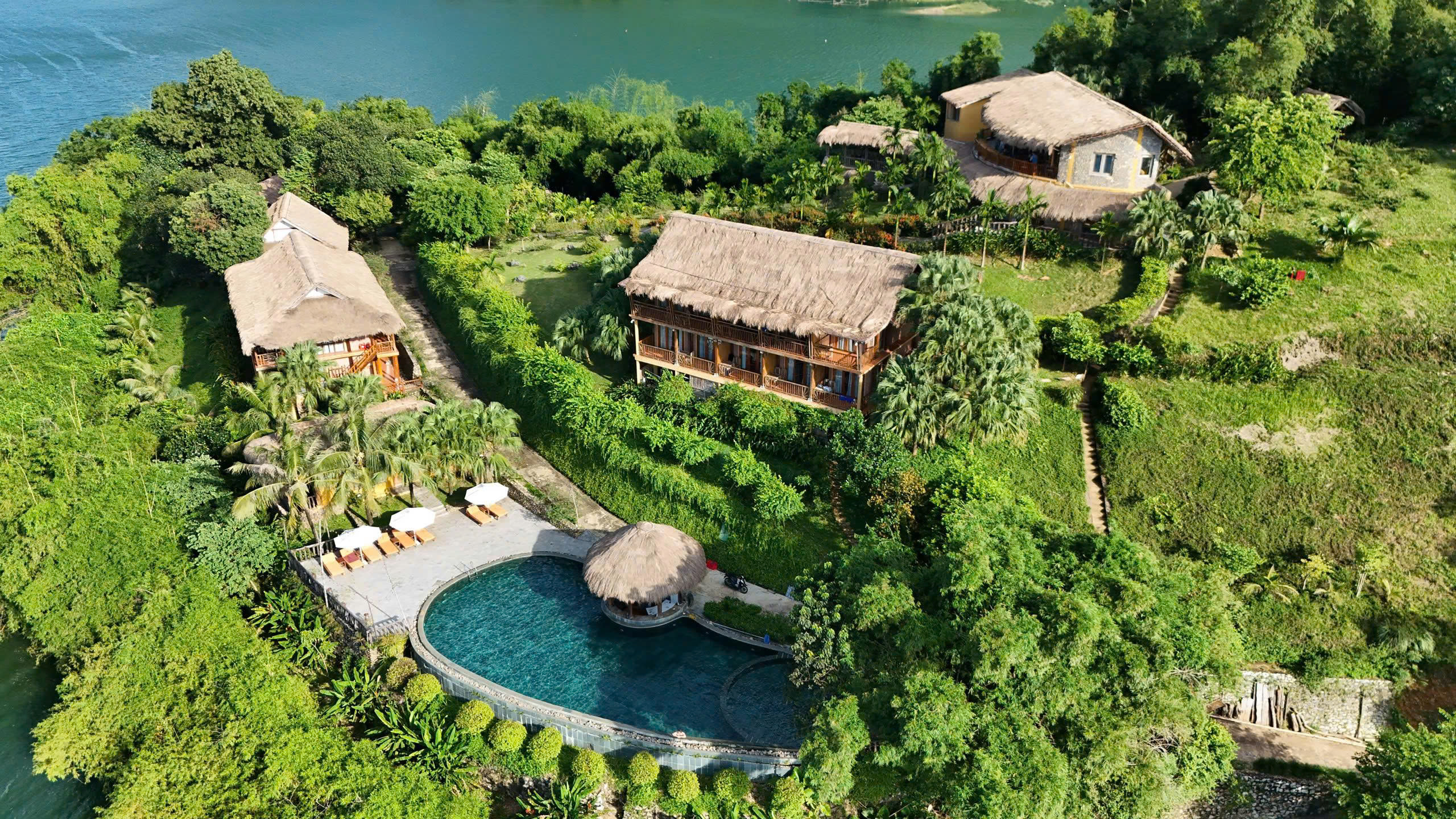
Mai Chau Hideaway Lake Resort offers a peaceful lakeside retreat after a day of trekking in Pu Luong
Contact the resort in advance if you would like to include the Ken Village - Hang Village trekking route in a personalized itinerary.
Frequently asked questions about Ken Village Pu Luong
Is Ken Village Pu Luong worth visiting?
Yes. Ken Village offers peaceful countryside scenery, traditional Thai culture and accessible trekking opportunities. It is particularly suitable for travelers seeking authentic rural experiences away from crowded tourist destinations.
How long should I spend in Ken Village?
Half a day is sufficient for exploring the village. Allow a full day if you want to trek to Hang Village, discover local cuisine and experience traditional community life.
How difficult is the Ken Village - Hang Village trek?
The approximately 3.4-kilometer route is generally considered easy, with an elevation gain of around 67 meters. However, uneven trails and slippery surfaces after rainfall can increase the difficulty.
What is the best time to visit Ken Village Pu Luong?
May-June and September-October are recommended for agricultural scenery and photography. March-April is also suitable for comfortable trekking conditions.
Do I need a guide to visit Ken Village?
A guide is not essential for exploring publicly accessible village areas. However, hiring a local guide is recommended for trekking to Hang Village and discovering unfamiliar countryside trails.
Can I stay overnight in Ken Village?
Yes. Local homestays in the surrounding area offer opportunities to experience traditional accommodation and cuisine. Confirm availability and facilities before traveling.
Is Ken Village suitable for families with children?
Yes. Short countryside walks are suitable for families. Longer trekking activities should be selected according to children's walking ability and prevailing weather conditions.
Can I visit Ken Village on a day trip from Mai Chau?
Yes. With suitable transportation arrangements, visitors can explore Ken Village on a day trip from Mai Chau. Depart early to allow enough time for trekking, sightseeing and the return journey.