Kho Muong Bat Cave (also known as Kho Muong Cave) is located in Kho Muong Village, Pu Luong Commune, Thanh Hoa Province, within the core zone of the Pu Luong Nature Reserve. The cave is nestled in the limestone mountain range north of the village, approximately 2 km from the village center. Under the former administrative classification, this site belonged to Thanh Son Commune, Ba Thuoc District.
Deep in the core zone of Pu Luong Nature Reserve, Kho Muong Bat Cave remains largely untouched by tourism. There are no artificial lights or paved walkways inside, so visitors experience the cave in its natural state, surrounded by limestone formations formed millions of years ago. If you plan to visit after it reopens, these five points are worth knowing before you go.
Muong Village sits in a valley surrounded by limestone mountains and rice terraces (Source: phapluat.suckhoedoisong.vn)
1. Current status: is Kho Muong Bat Cave open?
This is the first thing to check before planning your visit.
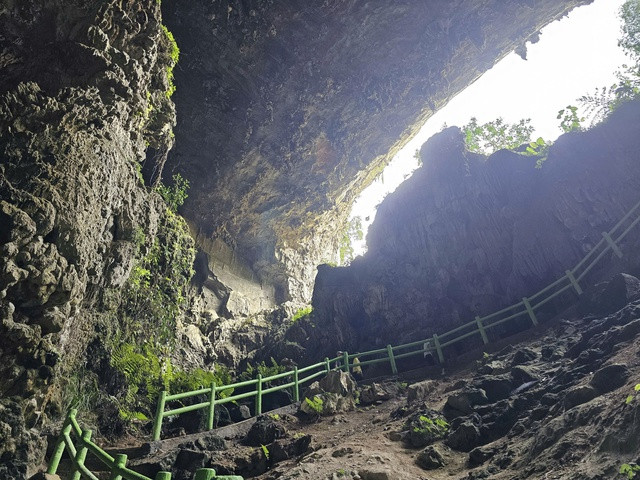
Access to Kho Muong Bat Cave was suspended on September 11, 2026, after reports of rocks and soil falling inside the cave. Some larger rocks were also found to be unstable, raising concerns about visitor safety. The Pu Luong Nature Reserve management board has asked local authorities in Pu Luong Commune to stop tours and ticket collection while the cave undergoes a full safety assessment.
There is another important point to keep in mind if you are booking through a local operator. According to Le Dinh Phuong, director of the Pu Luong Nature Reserve, community-run tours and ticket sales at the cave were not officially authorized. The cave is located on protected forest land under the reserve's management and has never been formally opened as a tourist site.
Kho Muong Bat Cave remains closed to visitors while authorities assess falling-rock hazards inside (Source: Collected)
Before the cave can reopen, the authorities plan to identify dangerous areas, put up warning signs, and restrict access where necessary. So far, no reopening date has been announced.
If you are visiting Pu Luong soon, check directly with the Pu Luong Nature Reserve management board or your accommodation, such as Mai Chau Hideaway Lake Resort, for the latest update. Avoid booking a Kho Muong Cave tour or paying an entrance fee through an unofficial operator while the site remains closed.
2. The trek is harder than the distance suggests
From Kho Muong Village, the cave is about 2 km away, with the trail passing through rice fields and natural forest. While the distance may not sound far, the walk is more demanding than a simple village stroll.
Parts of the trail are steep and uneven, with natural rocks that can become slippery after rain. Inside the cave, there is no paved walkway or artificial lighting. The ground may also be wet from water dripping from the ceiling, and you will need to navigate several uphill and downhill sections.
Once the cave reopens, wear shoes with good grip and be prepared for uneven terrain. If you are not used to walking on rocky or slippery trails, allow extra time and take the route at a comfortable pace.
3. What you will find inside the Bat Cave
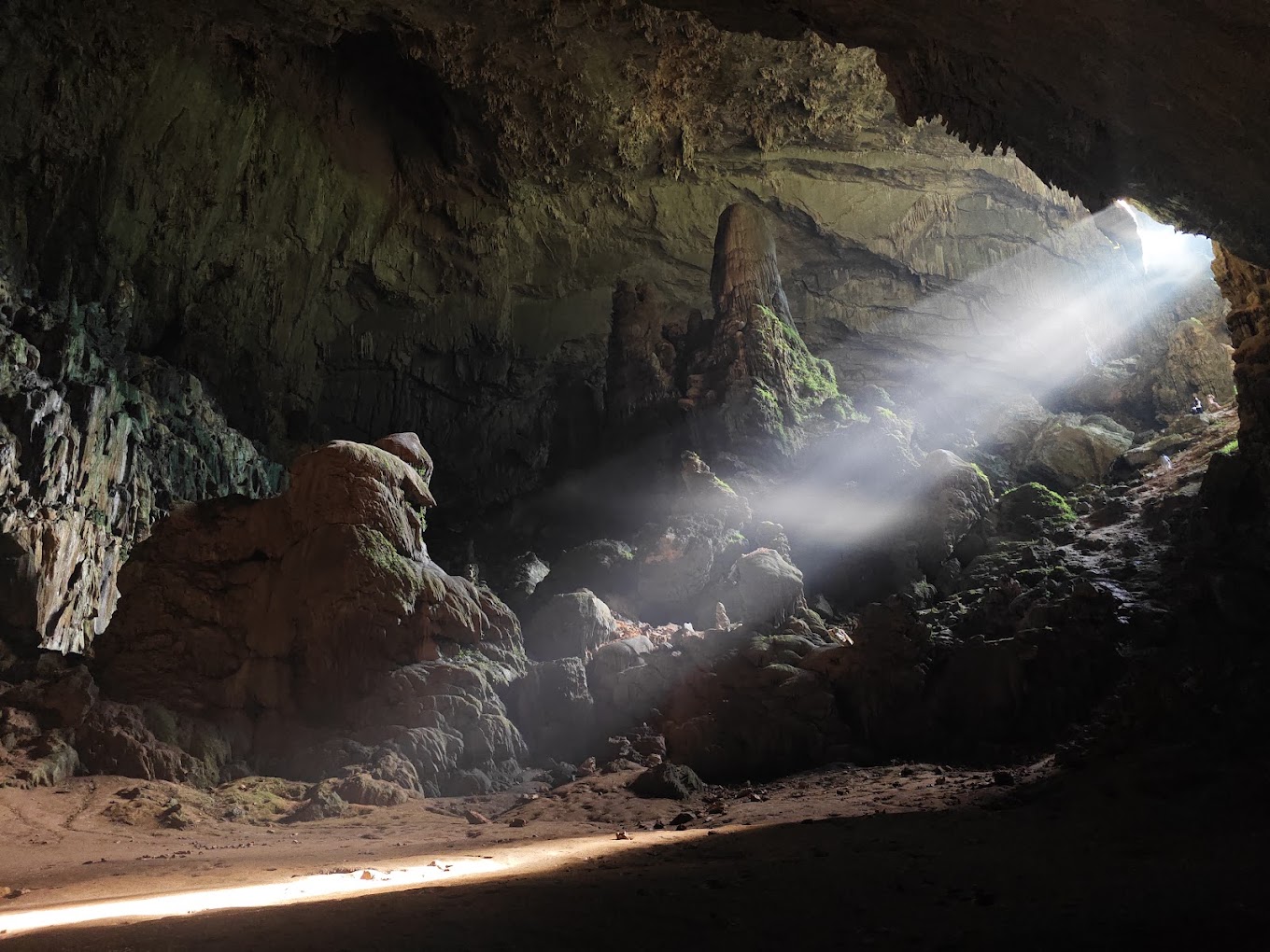
Kho Muong Bat Cave feels very different from the caves in northern Vietnam that have been developed for mass tourism. There are no artificial lights or paved walkways inside, so the cave remains close to its natural state. As you move deeper inside, the narrow trail gradually opens into larger spaces, with limestone walls, rock formations, and a damp cave floor shaped by water over time.
Ancient limestone formations
One of the first things you will notice is the cave's limestone formations. Local sources estimate that the limestone in this area dates back around 250 million years, forming part of the karst landscape of Pu Luong.
Inside the cave, stalactites and other rock formations appear in different shapes and sizes. Some may look like familiar objects, plants, or figures, but these shapes are simply the result of natural geological processes taking place over a very long period.
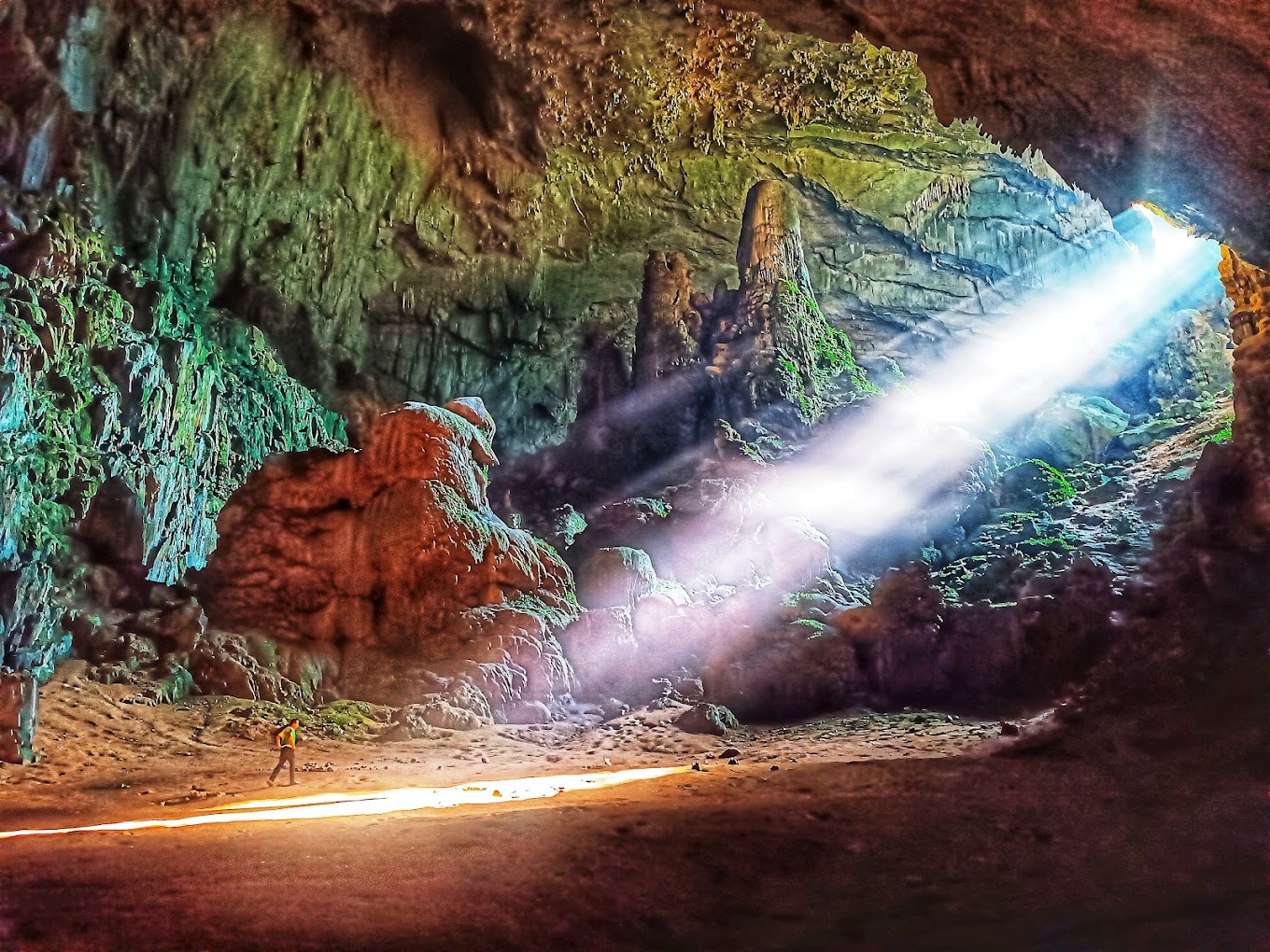
Stalactites inside Kho Muong Bat Cave are part of a limestone landscape estimated at around 250 million years old (Source: Collected)
The formations are part of what makes the cave worth seeing in its natural state. If the cave reopens, avoid touching or breaking the stalactites. Even small damage can affect formations that took thousands or millions of years to develop.
A surprisingly large chamber
The cave is not narrow all the way through. After sections of rock and winding passages, you eventually reach a much more open area inside the cave. Local accounts describe a flat, open space roughly the size of a volleyball court.
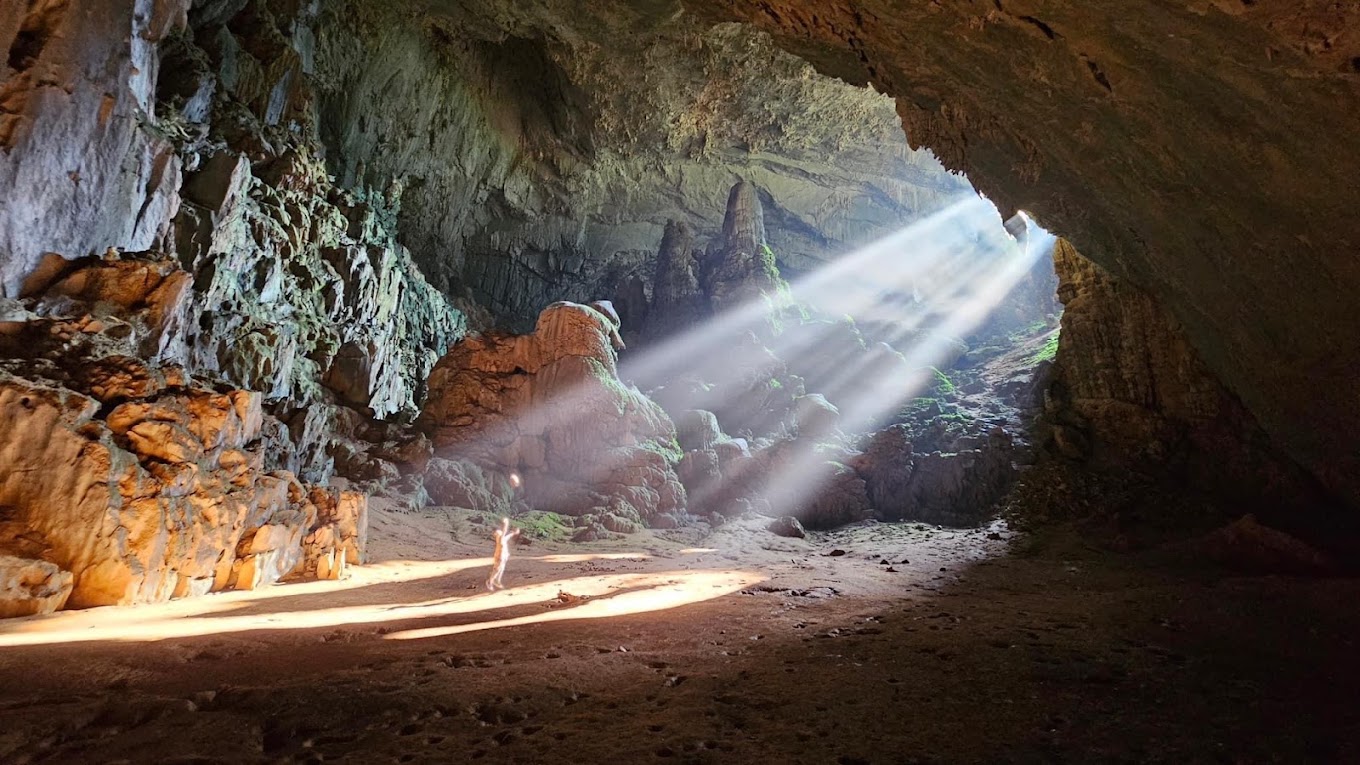
A wide open chamber deep inside the cave, roughly the size of a volleyball court (Source: Collected)
This larger chamber can feel unexpected after walking through tighter sections of the cave. Its high ceiling, surrounding rock walls, and relatively wide floor create a completely different atmosphere from the passages leading into it.
However, a larger space does not mean every part of the cave is safe to explore. Visitors should stay on suitable routes and avoid entering sections that have not been checked or opened for access.
Home to several species of bats
As its name suggests, Kho Muong Bat Cave is also known for its bat population. Travel and local news sources have recorded at least four species of bats living in the cave at different times of the year.
The bats are part of the cave's natural ecosystem, so visitors should observe them without disturbing their roosting areas. Avoid loud noises, trying to approach or chase them, or shining a strong light directly at them. Keeping your distance is better for both the bats and the experience of exploring the cave.
A 2.5-kilometer underground river system
Another interesting feature is the underground water system associated with the cave. The system extends for roughly 2.5 km, carrying water from the Kho Muong area toward Pon Village.
This underground flow is typical of a karst landscape, where rainwater moves through cracks and openings in limestone, gradually creating caves, passages, and underground channels. It also helps explain why the cave can feel damp, with water dripping from the ceiling and moisture collecting on the rock surfaces.
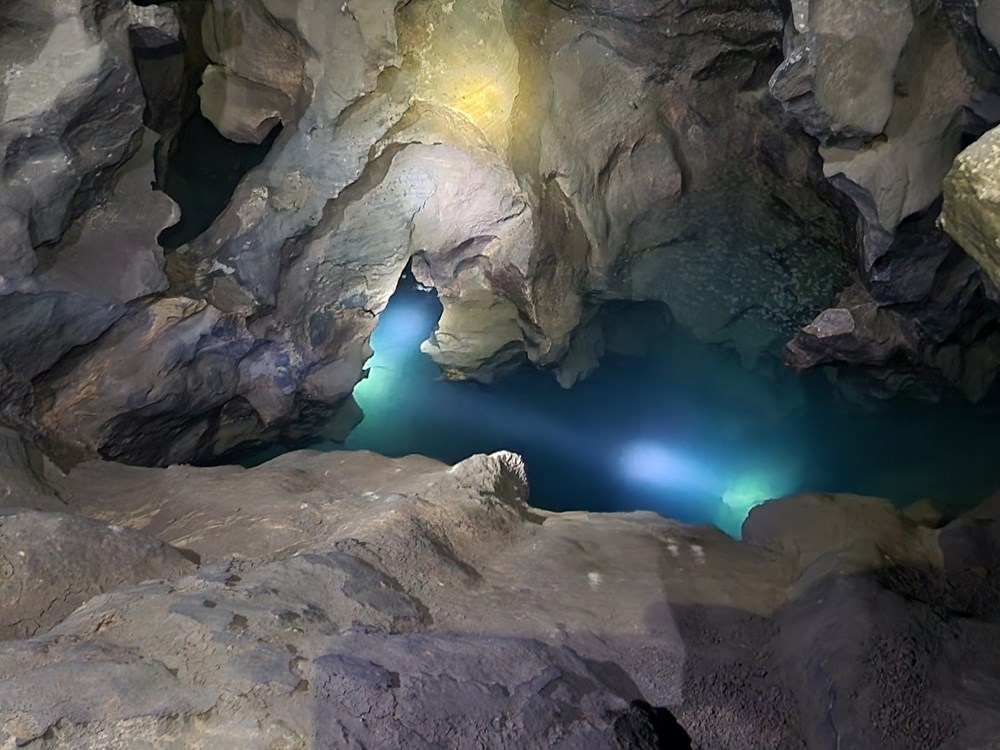
Water draining through the cave floor is part of a 2.5-kilometer underground river system connecting to Pon Village (Source: VOV)
The wet environment can make parts of the cave floor slippery, so visitors should take care when walking. Do not enter deep water or unexplored passages without proper guidance.
Why the cave feels so untouched
Taken together, these features are what make Kho Muong Bat Cave different from a typical developed tourist cave. The limestone formations, large inner chamber, bat habitat, and underground water system can all be experienced in a setting that has not been extensively modified for visitors.
That also means the cave has fewer of the safety features found at developed attractions. There is no built walkway or extensive lighting system, and some areas may remain uneven, wet, or difficult to navigate. The current closure gives authorities time to assess these natural conditions and determine how the cave can be accessed more safely in the future.
4. Best time to visit once it reopens
The best time to visit Kho Muong Bat Cave will depend on both the weather and trail conditions. Pu Luong is especially green from May to October, while September and October bring the added appeal of ripening rice fields.
|
Period
|
What to expect
|
Recommendation
|
|
May to June
|
Green rice fields, warm weather, and generally good conditions for trekking
|
Good time to visit
|
|
July to August
|
Frequent rain can make the trail wet and slippery, with a higher risk of difficult trekking conditions
|
Better to avoid
|
|
September to October
|
Cooler weather and golden rice fields around Pu Luong
|
Best time to visit
|
|
Morning
|
Cooler temperatures and more time to complete the trek before conditions change
|
Recommended
|
Whatever time of year you choose, check the weather before setting out. After heavy rain, the trail can become much more difficult, so conditions on the day may matter more than the season itself.
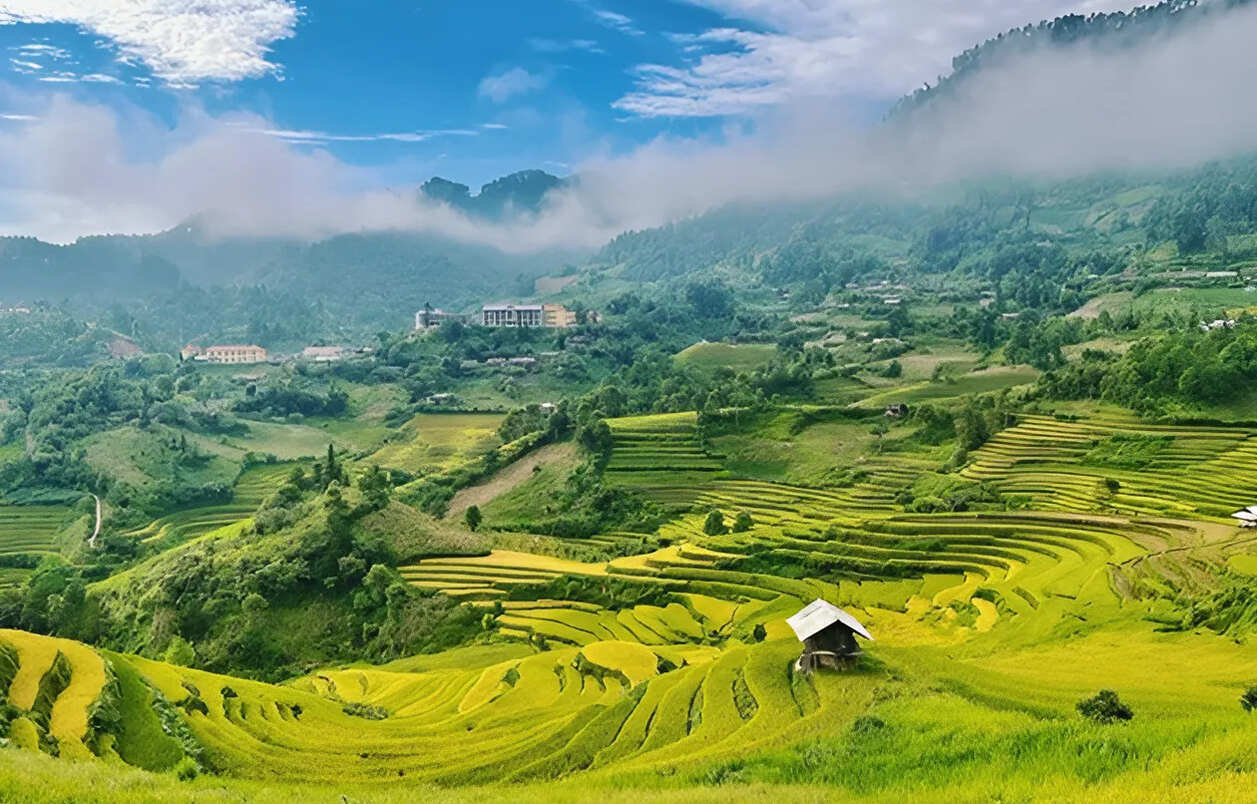
Rice terraces around Kho Muong turn golden between September and October, the best time to visit (Source: Bao Lao Dong)
5. What to pack for Kho Muong Bat Cave
Good footwear should be at the top of your list. Choose trekking or sports shoes with a good grip, as the trail can be steep and uneven, while the cave floor may be wet and slippery after rain.
A flashlight or headlamp with spare batteries is also useful because there is little to no artificial light inside the cave. Bring enough water and some light snacks, and wear breathable clothes that are comfortable for walking. Long sleeves can also be useful when passing through rocky or overgrown sections of the trail.
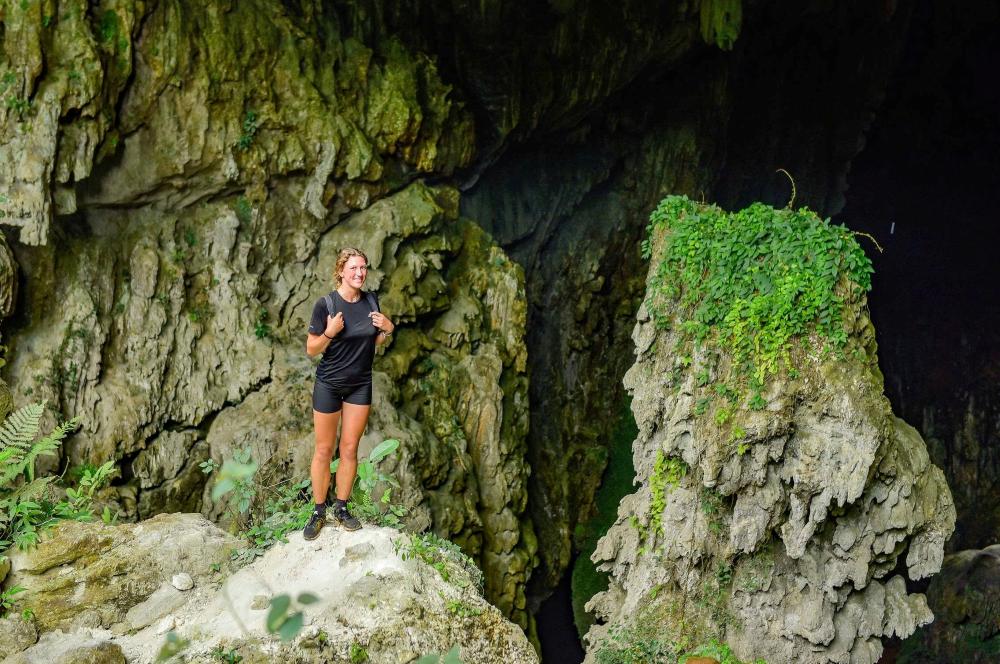
Trekking shoes, a headlamp, and water are essential before setting out for Kho Muong Bat Cave (Source: Bao Lao Dong)
If you are visiting for the first time, going with a small group and a local guide is a safer option. A guide can help you navigate the terrain and point out areas that may be difficult or unsafe.
Before setting out, check the cave's current status with the Pu Luong Nature Reserve or local authorities. This is especially important while the site remains under review, as informal tour operators may not have permission to take visitors inside.
Because the route involves steep sections, uneven rocks, and a damp cave floor, Kho Muong Bat Cave may not be suitable for young children or visitors with limited mobility.
What to do nearby while the cave is closed
A closed cave does not mean you need to cancel your Pu Luong trip. Kho Muong Village and the surrounding valleys still offer plenty to see, especially if you enjoy walking, rice terraces, and local village life.
Walk through the Muong villages around Kho Muong
One of the best alternatives is to explore the villages around Kho Muong on foot. The area is home to several Muong communities, including Pon, Thanh Cong, Cao Hoong, and Kit. Walking between the villages gives you a closer look at the rural landscape than simply stopping at the cave entrance.
The route takes you through mountain valleys, rice fields, forested sections, and small village roads. Depending on the season, the scenery changes considerably. Green rice fields are particularly attractive during the growing season, while September and October can bring golden rice terraces as the crops mature.
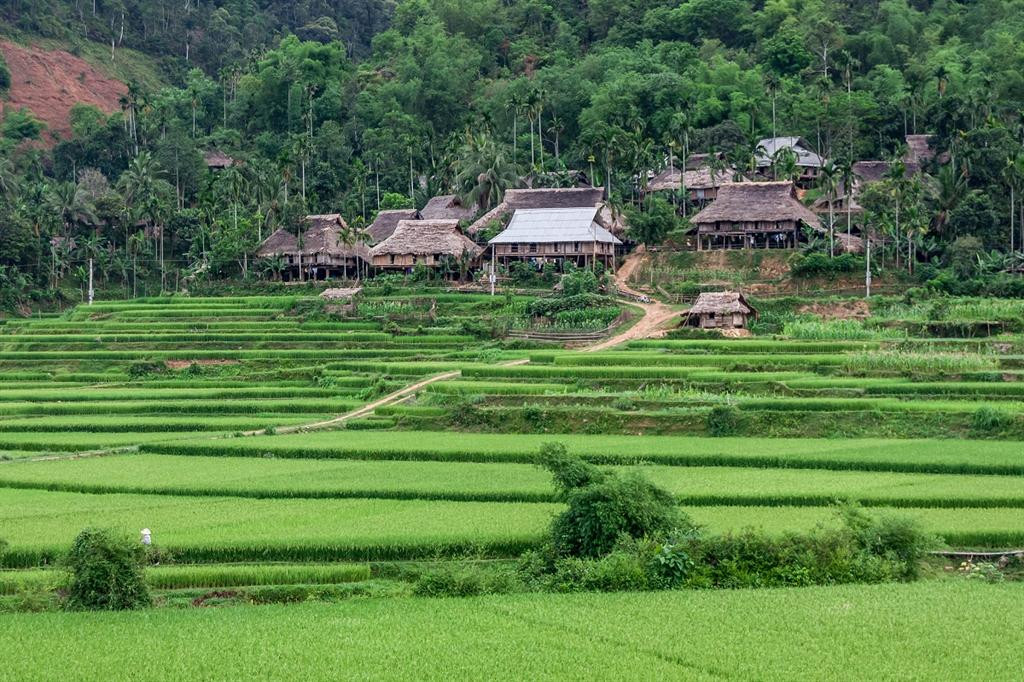
Traditional stilt houses in one of the Muong villages near Kho Muong, including Pon, Thanh Cong, Cao Hoong, and Kit (Source: moitruongxaydungvn.vn)
These walks are also a chance to see everyday life in the villages. You may pass traditional houses, farmland, and local residents going about their daily work. Since this is a living community rather than a purpose-built tourist attraction, visitors should keep noise low, avoid entering private areas without permission, and ask before taking close-up photos of local people.
Explore the rice terraces around Kho Muong Village
You do not need to enter the cave to experience the landscape that makes Kho Muong special. The village sits in a valley surrounded by limestone mountains, with rice fields covering parts of the lower ground.
The scenery is particularly different from the cave itself. Instead of spending time underground, you can walk along the village paths and take in the contrast between the green or golden fields and the surrounding karst mountains.
For photography, early morning is often a comfortable time to walk because temperatures are cooler and the valley can have a softer atmosphere. If you are visiting during the rainy season, however, expect muddy or slippery sections after heavy rain.
Spend more time in Kho Muong Village
If the cave was your main reason for visiting, it can be tempting to leave as soon as you find out that access is suspended. A better option is to slow down and explore Kho Muong Village itself.
The village is surrounded by mountains and rice fields, making it a good place for a short walk without committing to a longer trek. You can also use the time to experience the local landscape and architecture at a slower pace rather than treating Kho Muong as a quick stop on the way to the cave.
For travelers interested in rural northern Vietnam, this can actually be one of the more worthwhile parts of the visit. The appeal of the area comes not only from the cave but also from the combination of mountains, farmland, and ethnic village life.
Continue exploring Pu Luong's natural landscape
If you have more time, use the day to explore other parts of Pu Luong Nature Reserve instead of waiting for the cave to reopen. The reserve is known for its limestone mountains, rice terraces, forests, and traditional villages, so there are plenty of opportunities for walking and nature-based activities.
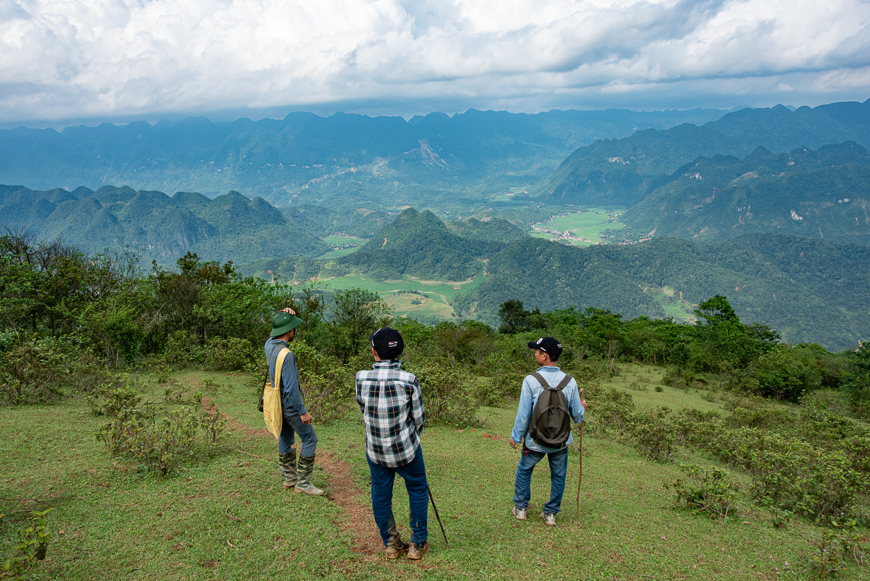
Beyond Kho Muong, Pu Luong Nature Reserve offers plenty of trekking routes through limestone mountains and rice terraces (Source: Vietnam Tourism)
The best choice depends on how much time you have and how comfortable you are with trekking. Short village walks work well for a relaxed day, while longer routes are better suited to travelers who want a more active experience.
Because trail conditions can change after rain, it is worth checking locally before setting out, particularly if your route includes steep or remote sections.
Add Mai Chau to your itinerary
If you are staying in the area for several days, Mai Chau is another easy place to include in the same trip. It is roughly 20-25 km from Pu Luong by mountain road, although the actual journey time depends on the route and road conditions.
Mai Chau offers a different experience from Kho Muong. Instead of focusing mainly on mountain trekking, you can spend time cycling through villages, visiting local communities, enjoying the rice-field scenery, or simply taking a slower day after a trek.
This makes Mai Chau useful as either an additional stop or a base for a longer northern Vietnam itinerary. You do not have to choose between Mai Chau and Pu Luong; the two can work well together when you have enough time.
Use the closure as a chance to slow down
If your trip coincides with the cave closure, there is no need to replace it with a packed schedule of attractions. Kho Muong is best experienced at a slower pace, and the surrounding villages and landscapes provide enough to fill a half-day or even a full day.
You can walk through the rice terraces in the morning, explore nearby villages, and spend the afternoon continuing to other parts of Pu Luong or heading toward Mai Chau. Before visiting any attraction that requires access to a specific site, check the latest local conditions, as trail access and weather can change during the rainy season.
Most importantly, do not attempt to enter Kho Muong Bat Cave through an unofficial route while it is closed. The closure is related to safety concerns inside the cave, so exploring the surrounding area is a much better alternative until authorities confirm that the cave is safe to reopen.
Plan your Pu Luong trip around Mai Chau Hideaway Lake Resort
Even while Kho Muong Bat Cave is temporarily closed, you can still plan a trip combining Mai Chau and Pu Luong for when the cave reopens. After exploring the mountains, rice terraces, and Thai villages around Pu Luong, Mai Chau Hideaway Lake Resort offers a quieter place to rest beside Hoa Binh Lake, around 20-25 km from Pu Luong.
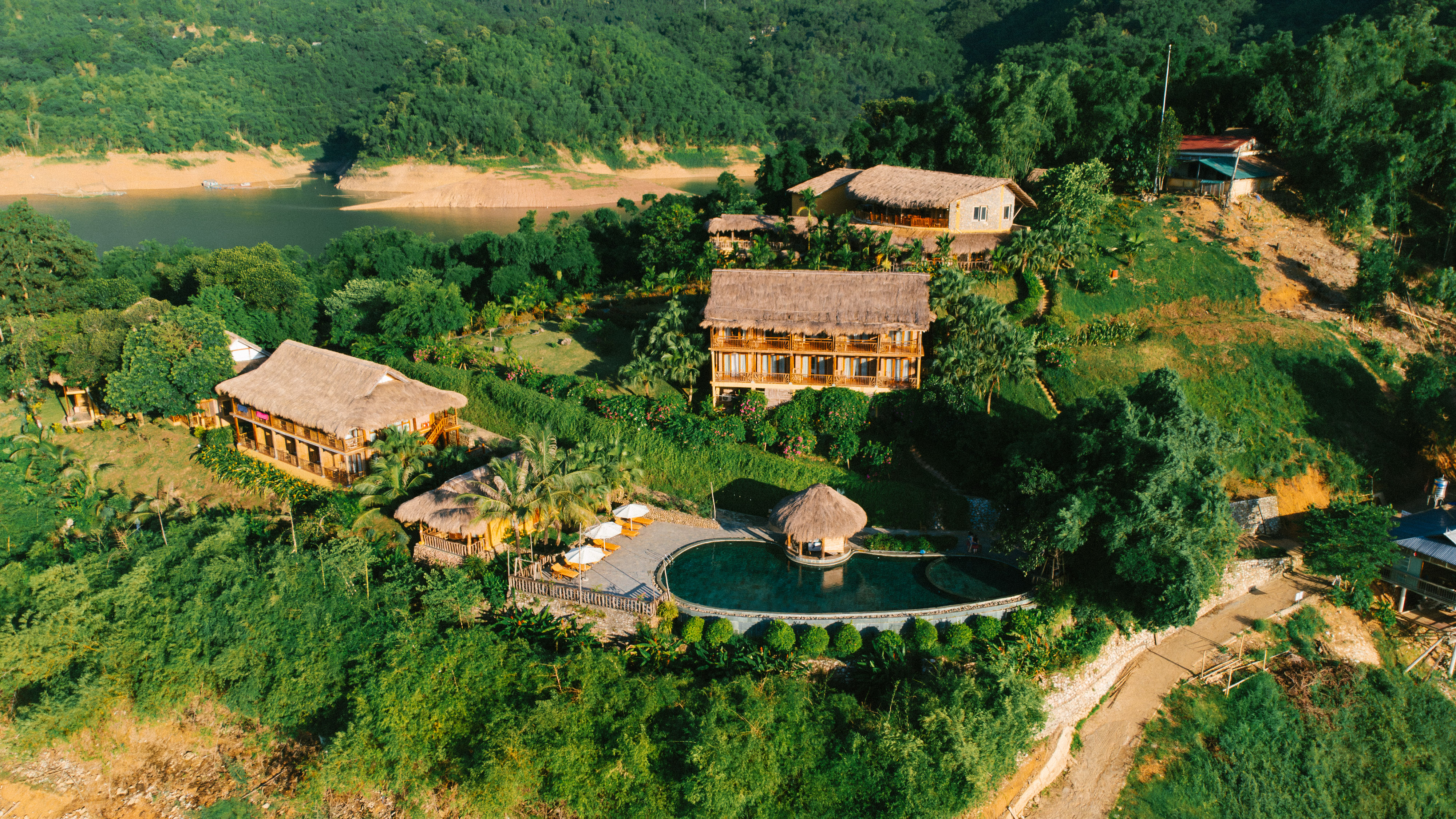
Unwind at Mai Chau Hideaway Lake Resort after a day of trekking in Pu Luong
For a trip that combines outdoor activities with some downtime, the 3-day, 2-night Mai Chau - Kayaking - Cycling - Pu Luong itinerary is a practical option. It combines trekking and nature exploration in Pu Luong with kayaking on the lake, cycling through local villages, and time to relax by the infinity pool overlooking the Da River.
It gives you enough time to explore without making the trip all about trekking or long transfers, while still leaving room to slow down and enjoy Mai Chau.
Frequently Asked Questions
Is Kho Muong Bat Cave open right now?
No. The cave has been closed since September 11, 2026, and tours and ticket sales have been suspended because of safety concerns over falling rocks and unstable ground.
Why was Kho Muong Bat Cave closed?
The closure followed reports of rocks and soil falling inside the cave. Some larger rocks were also found to be unstable, leading authorities to suspend access while the site is assessed.
When will Kho Muong Bat Cave reopen?
There is currently no confirmed reopening date. The cave will remain closed while the authorities carry out a geological assessment and put appropriate safety measures in place. Check with the Pu Luong Nature Reserve management board before planning a visit.
Where is Kho Muong Bat Cave located?
The cave is in Kho Muong Village, Pu Luong Commune, Thanh Hoa Province, within the core zone of Pu Luong Nature Reserve.
Is Kho Muong Bat Cave suitable for beginners?
The trek can be manageable for reasonably fit visitors in good weather, but the trail is steep and uneven in places. Good footwear and a local guide are recommended, especially for first-time visitors. The route is not ideal for young children or people with limited mobility.