Mai Chau attracts visitors not only with its poetic natural scenery but also with its unique and distinctive cuisine. Among these culinary delights, fermented salted pork is a dish that anyone who sets foot in this land should try at least once. So what creates the special appeal of this dish? Let’s explore the answer in the article below!
Why is fermented salted pork so popular?
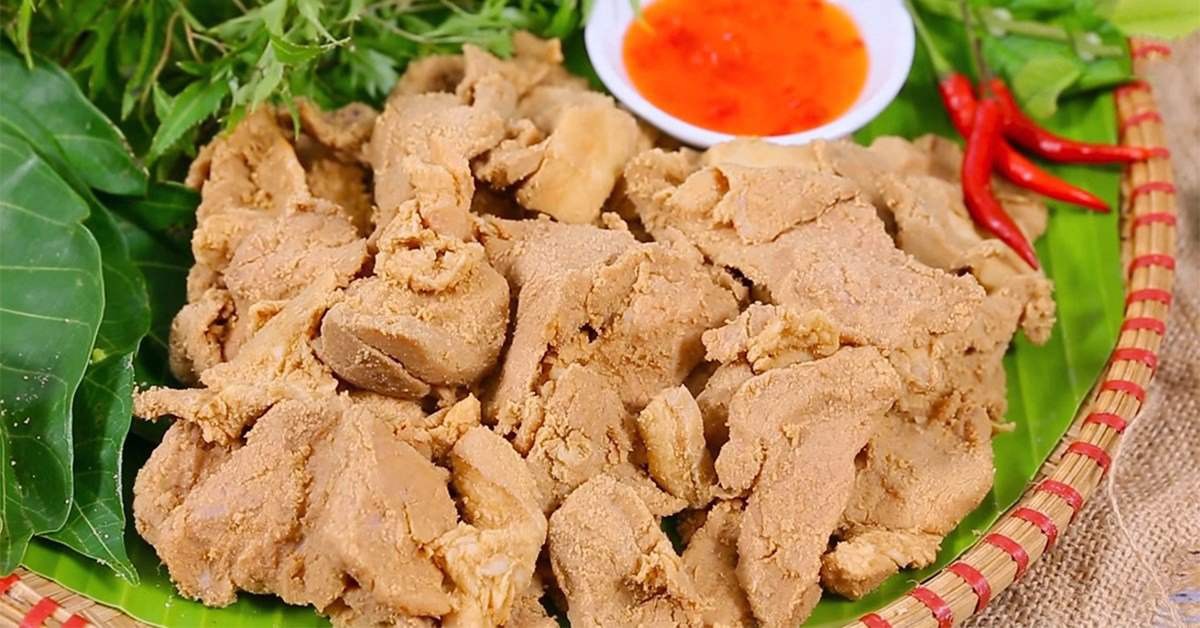 Why is fermented salted pork so popular? (Source: Collected)
Mai Chau attracts visitors not only with its charming landscapes but also with its distinctive local dishes. Among them, fermented salted pork is a dish that anyone visiting this land should experience at least once. So what makes this dish so uniquely appealing? Let’s explore the answer in the article below!
Read more: Enjoy Com Lam Mai Chau - Specialty of the Northwest mountains
The story behind Mai Chau fermented salted pork
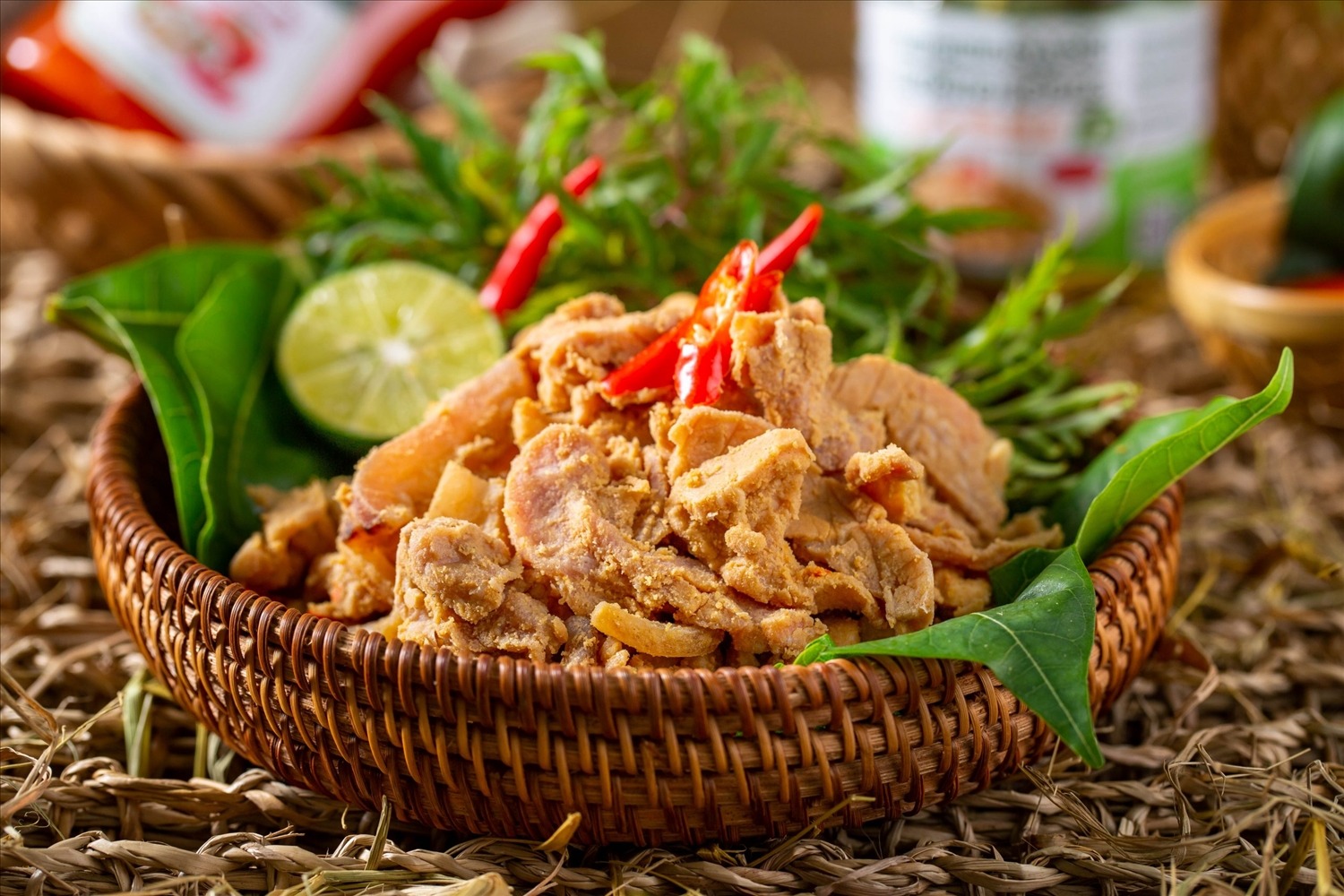
The story behind Mai Chau fermented salted pork (Source: Collected)
Fermented salted pork is not just a dish but an indispensable part of the culinary culture of the Muong people. During cold winter days, when fresh food sources became scarce, the Muong people created a unique preservation method by salting pork with natural ingredients such as salt and roasted rice powder, then fermenting it in earthen jars. This method not only helped them store food for the winter but also created a specialty dish imbued with the flavors of the forest.
Fermented salted pork has become an essential dish during festivals, celebrations, weddings, and communal events of the Muong people. The dish is often presented solemnly on banquet trays alongside other traditional foods. Its rich, spicy flavor has become a symbol of warmth and prosperity in the lives of local people. Moreover, fermented salted pork is also used to entertain honored guests. Serving this specialty reflects the respect and hospitality of the Muong people.
Steps to make fermented salted pork
Mai Chau’s fermented salted pork is characterized by its tender texture, a balance of sourness and saltiness, and the aromatic fragrance of forest herbs. To make authentic Mai Chau-style fermented salted pork, follow these steps:
Preparing the ingredients
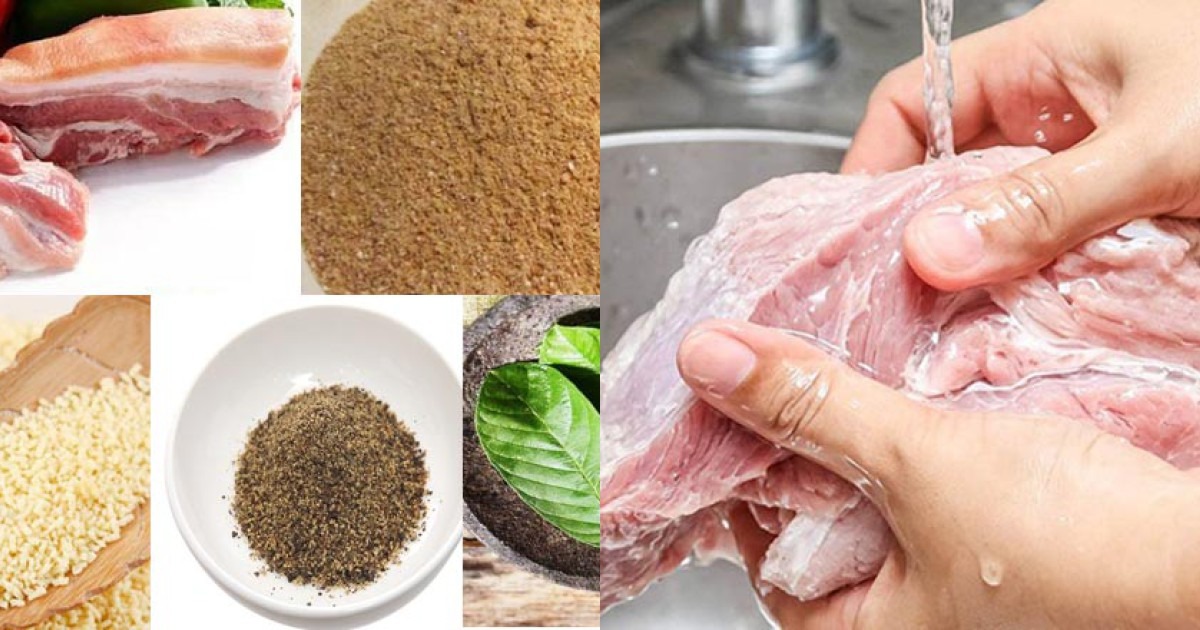
Preparing the ingredients to make Mai Chau fermented salted pork (Source: Collected)
Preparing ingredients is the first and most important step to creating the dish’s distinctive flavor. You will need the following ingredients:
- Pork belly: 500g (In traditional Muong recipes, semi-wild pork is used. If unavailable, you may substitute with pork leg, shoulder, or tenderloin.)
- Roasted rice powder: 150g
- Guava leaves: 36 leaves
- Polyscias fruticosa leaves: 20 leaves
- Fig leaves: 20 leaves
- Seasonings: Salt, MSG, sugar, pepper, garlic, chili.
Preparing the pork
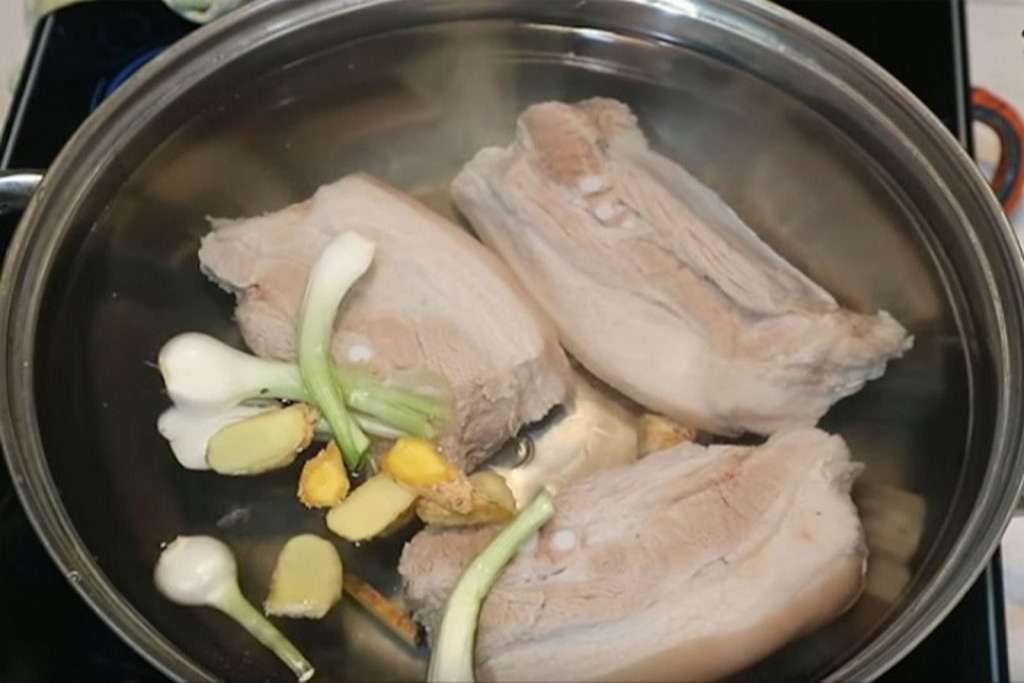
Preparing the pork (Source: Collected)
After purchasing the pork, rinse it with diluted salt water. For better cleaning, you can briefly boil the pork in water mixed with a little white wine, which effectively removes unpleasant odors. After boiling, slice the pork into moderately thick pieces or cut it into finger-length strips.
Preparing the roasted rice powder
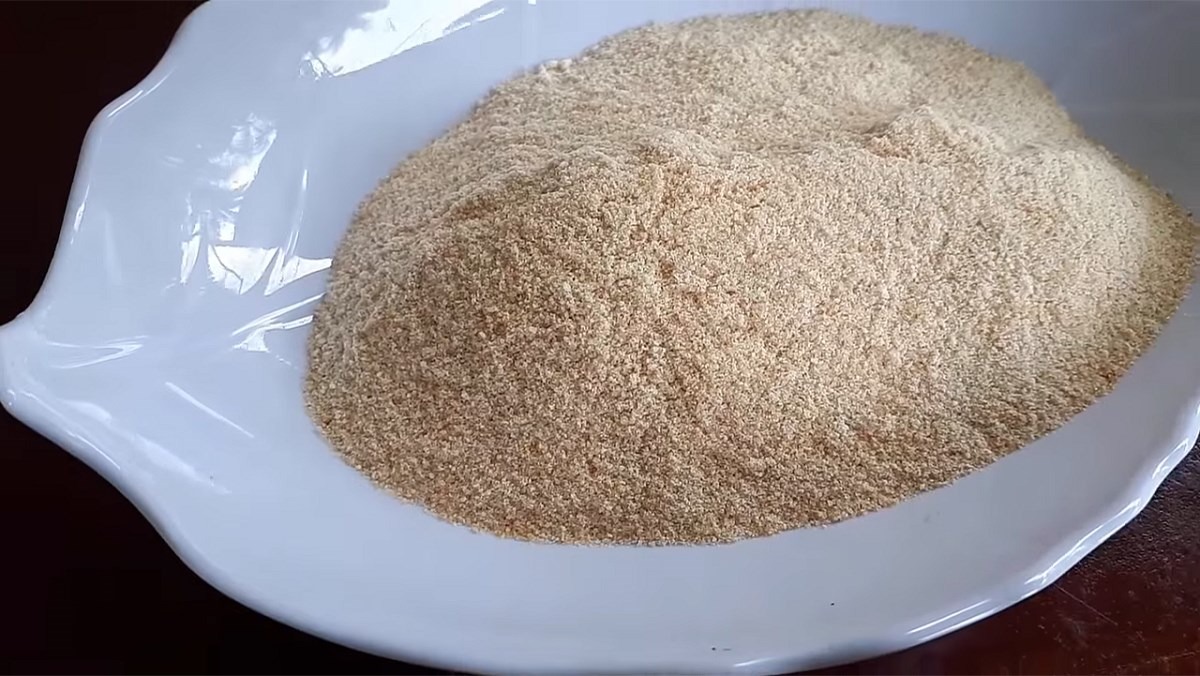
Preparing the roasted rice powder (Source: Collected)
Roasted rice powder for fermented pork can be made from various ingredients such as glutinous rice, regular rice, corn, or mung beans, depending on taste. However, according to the traditional Muong recipe, you should use a mixture of glutinous rice and regular rice.
Mix glutinous rice and regular rice at a 50:50 ratio, rinse thoroughly, and soak for about 4 to 6 hours. After soaking, drain the rice and roast it over low heat, stirring continuously. When the rice turns dark golden, remove it from the heat. Once cooled, grind or pound the rice into a fine powder so it can evenly coat the meat.
Marinating and fermenting the pork
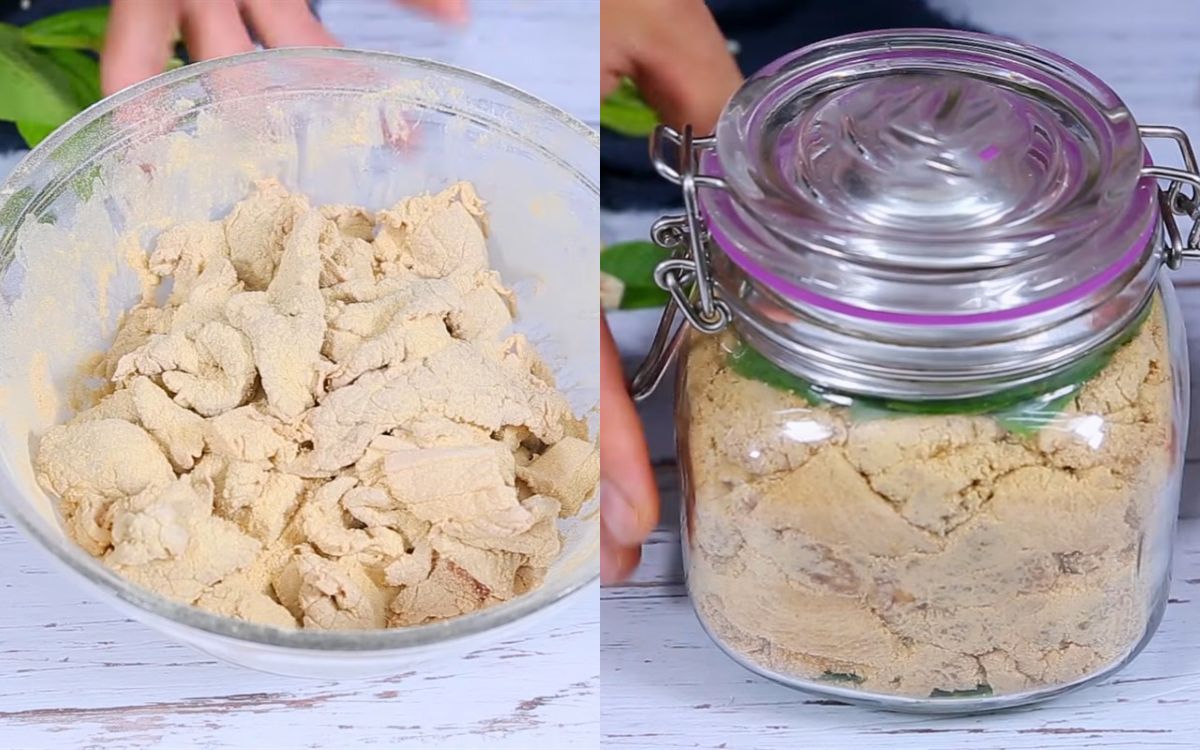
Marinating and fermenting the pork (Source: Collected)
The next crucial step is marinating the pork. Place the pork in a large bowl, add half a teaspoon of salt, half a teaspoon of MSG, a little sugar, and pepper to taste. Then add the roasted rice powder and mix well until it evenly coats the meat.
The secret to the dish’s fragrant sour flavor lies in natural fermentation. Traditionally, the Muong people wrap the meat in banana leaves, place it in a large basket, compress it tightly, and hang it above the kitchen stove to ferment for 1–2 weeks. To speed up fermentation, the meat can be placed in an earthen jar, tightly pressed with layers of guava leaves and Polyscias fruticosa leaves, then covered with clean straw and dong leaves. In this method, the meat ferments in about 3–4 days.
How to properly enjoy fermented salted pork?
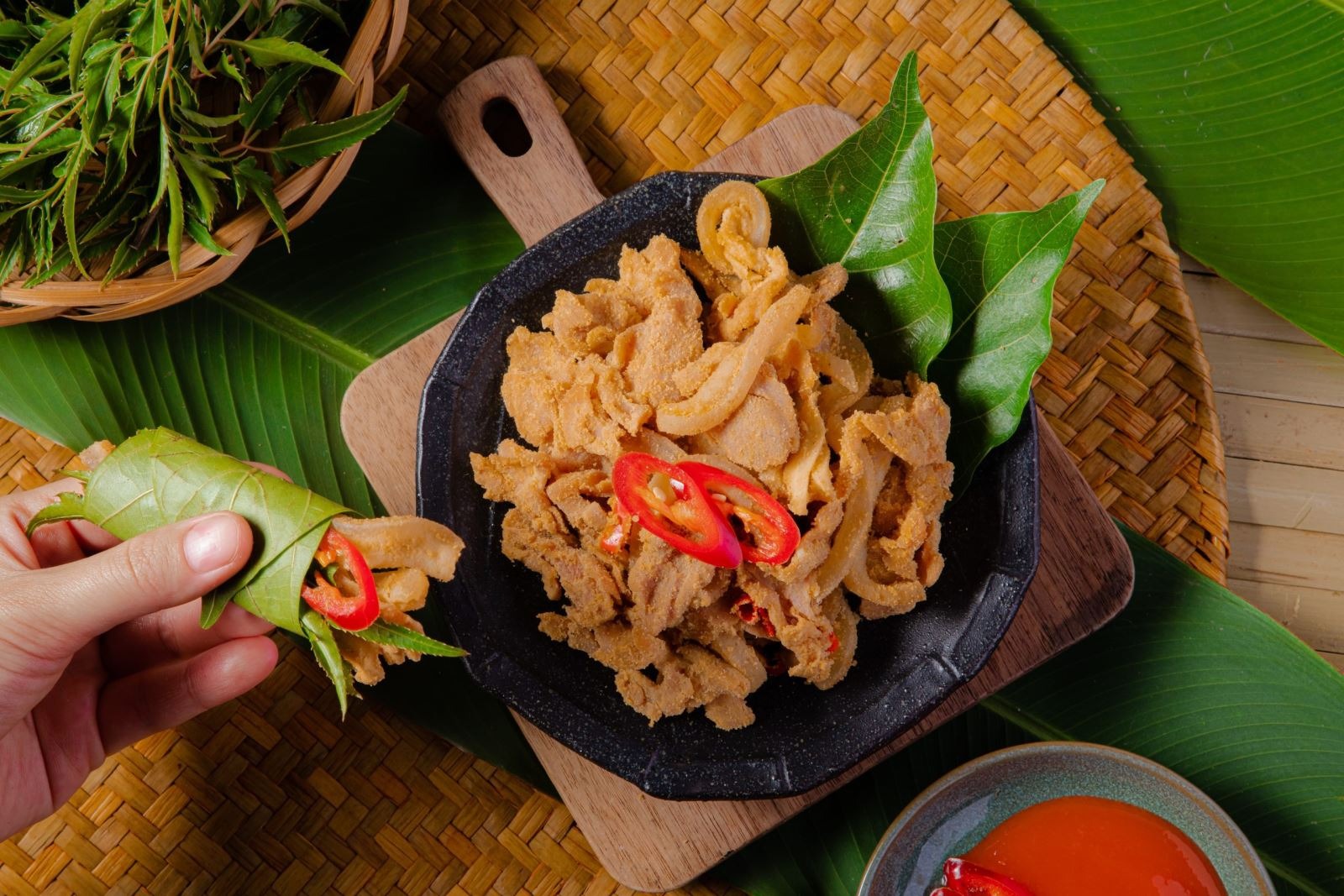
How to properly enjoy fermented salted pork? (Source: Collected)
Enjoying fermented salted pork properly is an art. To fully experience its unique flavor, it is usually eaten with various leaves such as betel leaves, fig leaves, and Polyscias fruticosa leaves. Choose a suitable leaf, wrap a piece of fermented pork inside, roll it up, and enjoy. The salty flavor of the salt blends with the mild sourness of the fermented meat, the richness of the pork fat, and the chewy texture of the pork skin, creating a harmonious symphony of flavors in your mouth.
To enhance the taste, fermented salted pork is often dipped in sweet and sour fish sauce. The gentle acidity and sweetness of the sauce further highlight the dish’s distinctive flavor, offering an unforgettable culinary experience.
What dishes can be eaten with fermented salted pork?
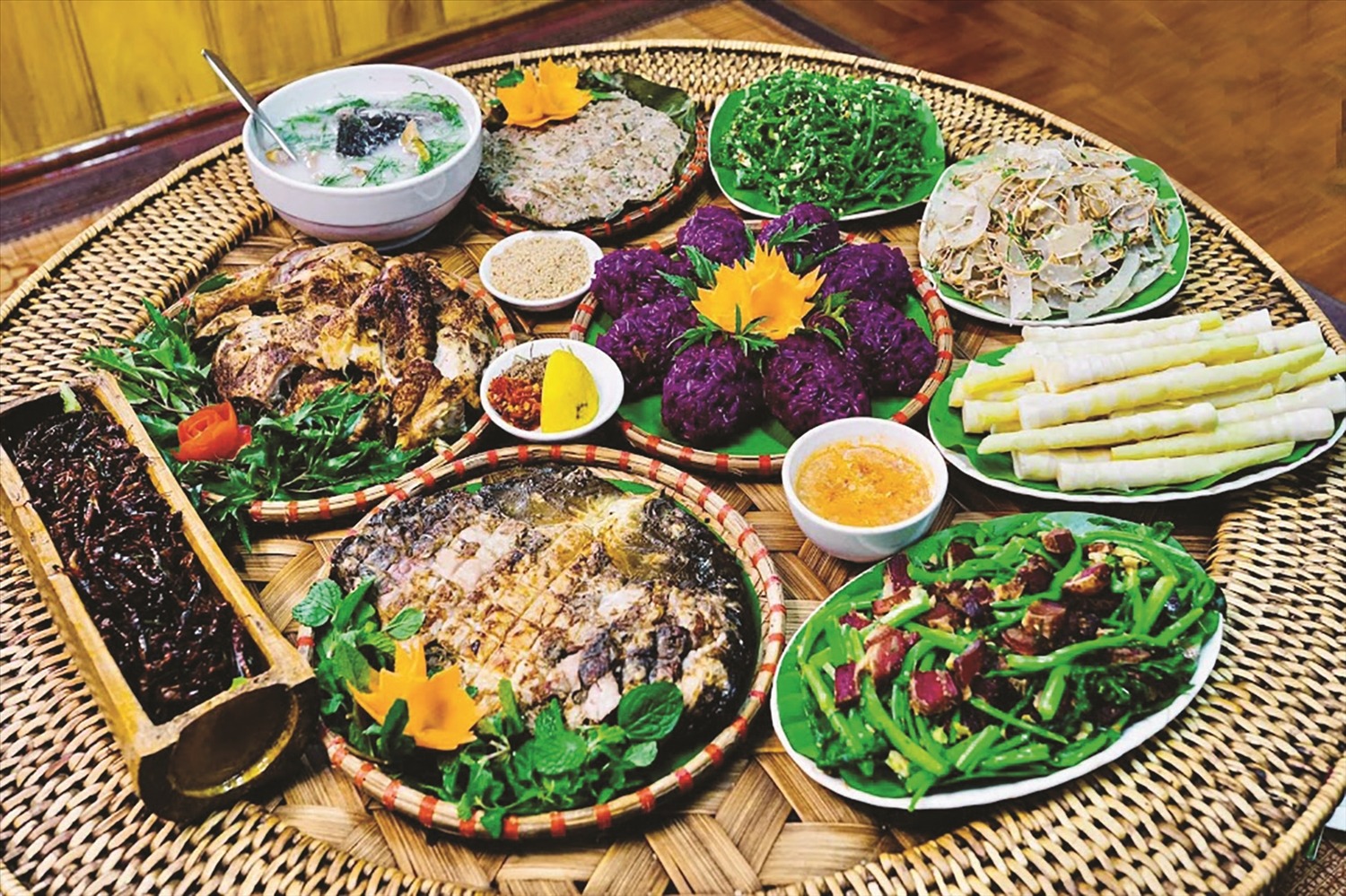
What dishes can be eaten with fermented salted pork? (Source: Collected)
Fermented salted pork is a unique dish that embodies the flavors of the mountains. To fully enjoy it, you can pair it with various other dishes, such as:
- Bamboo-tube rice: A traditional dish of ethnic minorities in Northern Vietnam. Sticky rice is cooked in bamboo tubes over charcoal, releasing an irresistible aroma. Its soft, nutty texture pairs perfectly with the sour and spicy fermented pork.
- Wild vegetables: Wild greens help balance the sour and salty flavors of the pork.
- Mountain sticky rice: Fragrant, rich sticky rice helps mellow the sourness of the meat.
- Bitter bamboo shoots: A Northwestern specialty with a mild bitterness that pairs uniquely with the sour fermented pork.
- Mountain taro: A regional specialty with a mildly sweet, nutty flavor.
- Mai Ha rice wine: A local specialty wine with a mild sweetness, aromatic fragrance, and gentle spiciness.
Read more: Mai Chau plum gardens – A truly one-of-a-kind travel experience
Notes when buying fermented salted pork as a gift
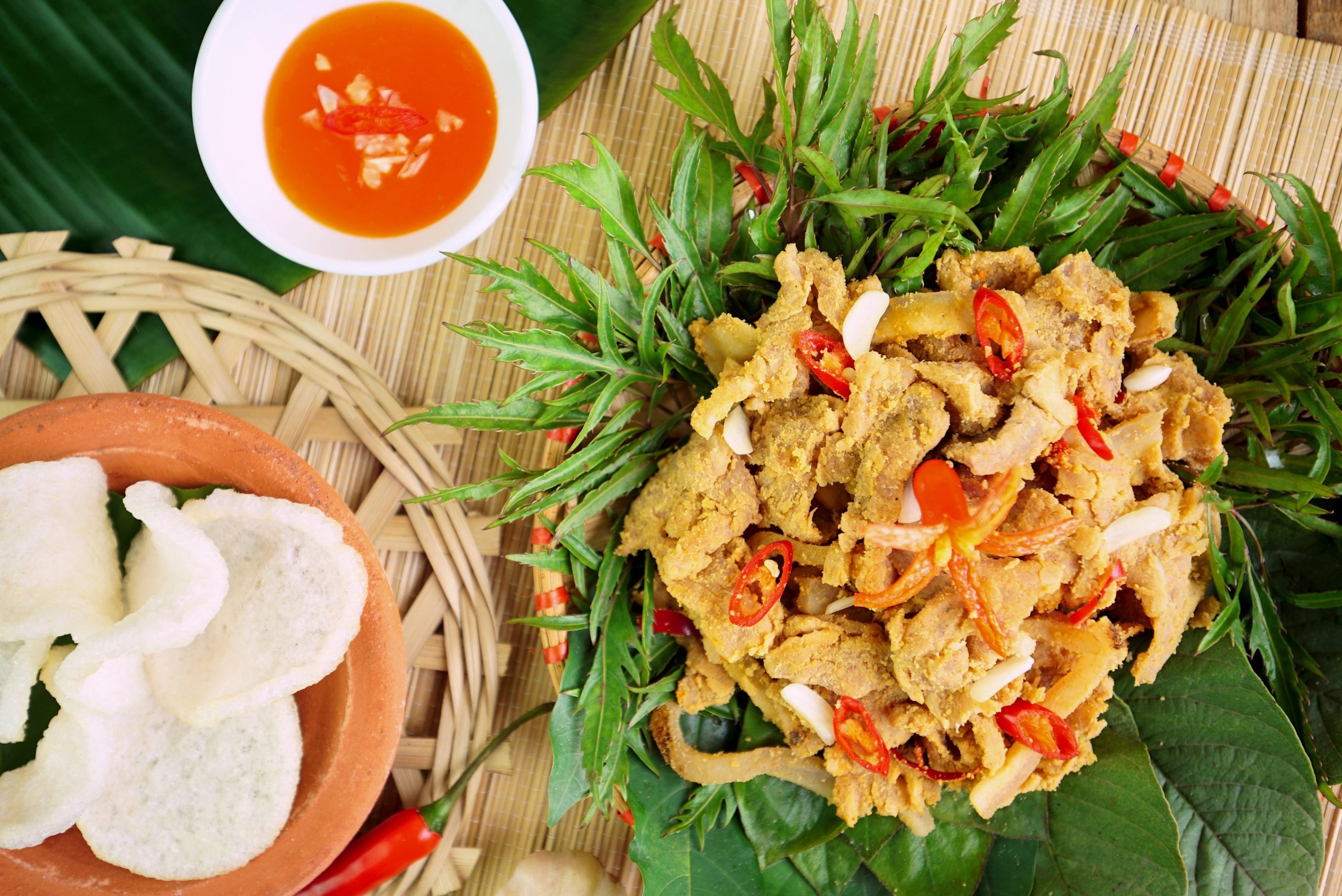
Notes when buying fermented salted pork as a gift (Source: Collected)
Fermented salted pork is a meaningful gift to bring home the distinctive flavors of Mai Chau. To choose quality products, keep the following in mind:
- Choose reputable sellers: The first and most important thing when buying fermented salted pork is to look for reputable sellers with clear branding. Local specialty shops and traditional artisanal producers are reliable places, as they usually provide high-quality products and ensure food safety and hygiene.
- Pay attention to the production date and expiration date: Before deciding to buy, carefully check the product label to find the production date and expiration date. Fermented salted pork typically has a shelf life of about two months. You should choose products with a longer remaining shelf life to ensure quality when bringing them home as gifts.
- Read the ingredients carefully: The ingredients of fermented salted pork are also an important factor to consider. You should choose products made with natural ingredients and without excessive preservatives. Read the label carefully to see what ingredients the product contains and whether they are suitable for the recipient’s taste.
- Observe and taste (if possible): If possible, you should carefully examine the product before purchasing. Good fermented salted pork usually has a light pink color of the meat and a dark golden color of the roasted rice powder; it should be neither too dry nor too wet. You may ask the seller to let you taste a small amount to evaluate the flavor.
- Proper storage after purchase: After buying, you need to store fermented salted pork properly to preserve its fresh flavor. It is best to keep the product in the refrigerator. Before eating, you should take it out about 30 minutes in advance so that it can lose some of its chill and be easier to enjoy.
Mai Chau fermented salted pork, with its unique flavor and deep cultural significance, is a dish you should not miss when visiting Hoa Binh. To further explore local cuisine and enjoy a memorable vacation, visit Mai Chau Hideaway Lake Resort. With stunning natural surroundings and professional services, we promise unforgettable experiences. Contact us via hotline 0963.406.366 or 0987.536.787 to book your stay and explore the beauty of this land.