A Mai Chau Pu Luong tour looks simple on paper. You leave Hanoi, see peaceful valleys, visit ethnic villages, walk through rice terraces, sleep somewhere beautiful, then return with photos of northern Vietnam that feel far away from the usual tourist trail.
But this is where many travelers get it wrong. Mai Chau and Pu Luong are often sold as one combined mountain escape, yet they are not the same type of destination. Mai Chau is softer, more open, and easier to enjoy at a relaxed pace. Pu Luong is wilder, more rural, and more rewarding when you are ready for winding roads, uneven trails, and slower logistics.
If you plan both places as if they offer the same experience, the trip can become rushed, tiring, and less memorable than expected. This guide helps you understand how to plan a Mai Chau Pu Luong tour properly: where to stay, how many days you need, what to expect, what costs are often missed, and why using Mai Chau as a comfortable base can make the whole journey feel much easier.
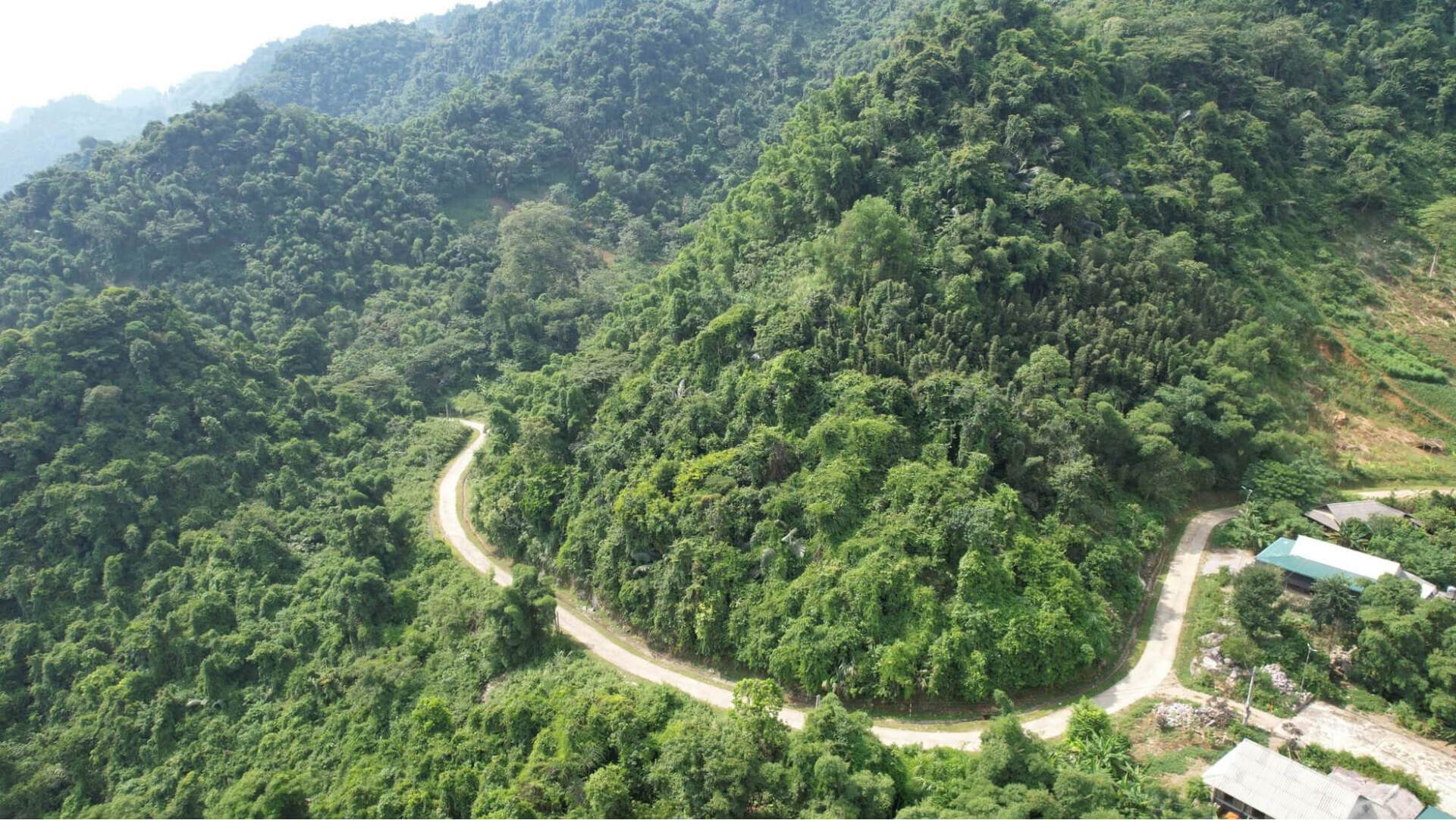
Mai Chau Valley at sunrise with rice fields and stilt houses (Source: Collect)
What Most People Expect from a Mai Chau Pu Luong Tour
Most travelers expect a Mai Chau Pu Luong tour to be a peaceful countryside trip with rice fields, ethnic villages, mountain views, and a few easy walks. That expectation is partly right.
Mai Chau gives you the calm valley feeling many people imagine when they think of rural northern Vietnam. You see wooden stilt houses, Thai villages, bicycles moving through quiet lanes, and wide open landscapes that are easy to enjoy without much effort.
Pu Luong feels different. The scenery is more dramatic. The roads are steeper. The villages are more spread out. The rice terraces can be stunning, especially in the right season, but reaching the best viewpoints often requires more time and energy.
What most travelers do not expect is how much the road and pacing affect the experience. On a map, Mai Chau and Pu Luong look close. In reality, the route can feel longer because of mountain roads, photo stops, local traffic, weather, and the simple fact that rural travel in Vietnam does not always move quickly.
What most tourists don't know:
A good Mai Chau Pu Luong tour is not about adding as many stops as possible. It is about choosing the right base, the right season, and the right pace.
The Biggest Misconception: Mai Chau and Pu Luong Are Not the Same Destination
Pu Luong is home to many Thai ethnic communities, traditional stilt houses, rice cultivation areas, and protected natural landscapes within Pu Luong Nature Reserve. Pu Luong Nature Reserve covers approximately 17,662 hectares and is recognized as one of northern Vietnam's most important ecological areas, protecting forests, wildlife, and traditional ethnic communities. (Source: National Biodiversity Conservation Agency Vietnam) The most common mistake is thinking Mai Chau and Pu Luong are interchangeable. They are not. Mai Chau is best for travelers who want comfort, culture, cycling, valley views, local food, and a slower countryside atmosphere. It works well for couples, families, older travelers, and anyone who wants nature without feeling too remote.
Pu Luong is best for travelers who want trekking, rice terraces, waterfalls, mountain villages, and a stronger feeling of being away from mainstream tourism. It is beautiful, but it asks more from you physically and logistically.
Mai Chau rewards travelers who enjoy comfort, local culture, and slower-paced experiences.
Pu Luong rewards those willing to trade a little convenience for more dramatic scenery and a stronger sense of adventure.
This difference matters because it affects almost every decision: where you sleep, how early you start, how much luggage you carry, how tired you feel at the end of the day, and whether the trip feels relaxing or overpacked.
From local travel experience, many guests enjoy Pu Luong more when they do not have to sleep in a different place every night. A day trip or carefully planned excursion from a comfortable base can sometimes feel better than constantly moving between accommodations.
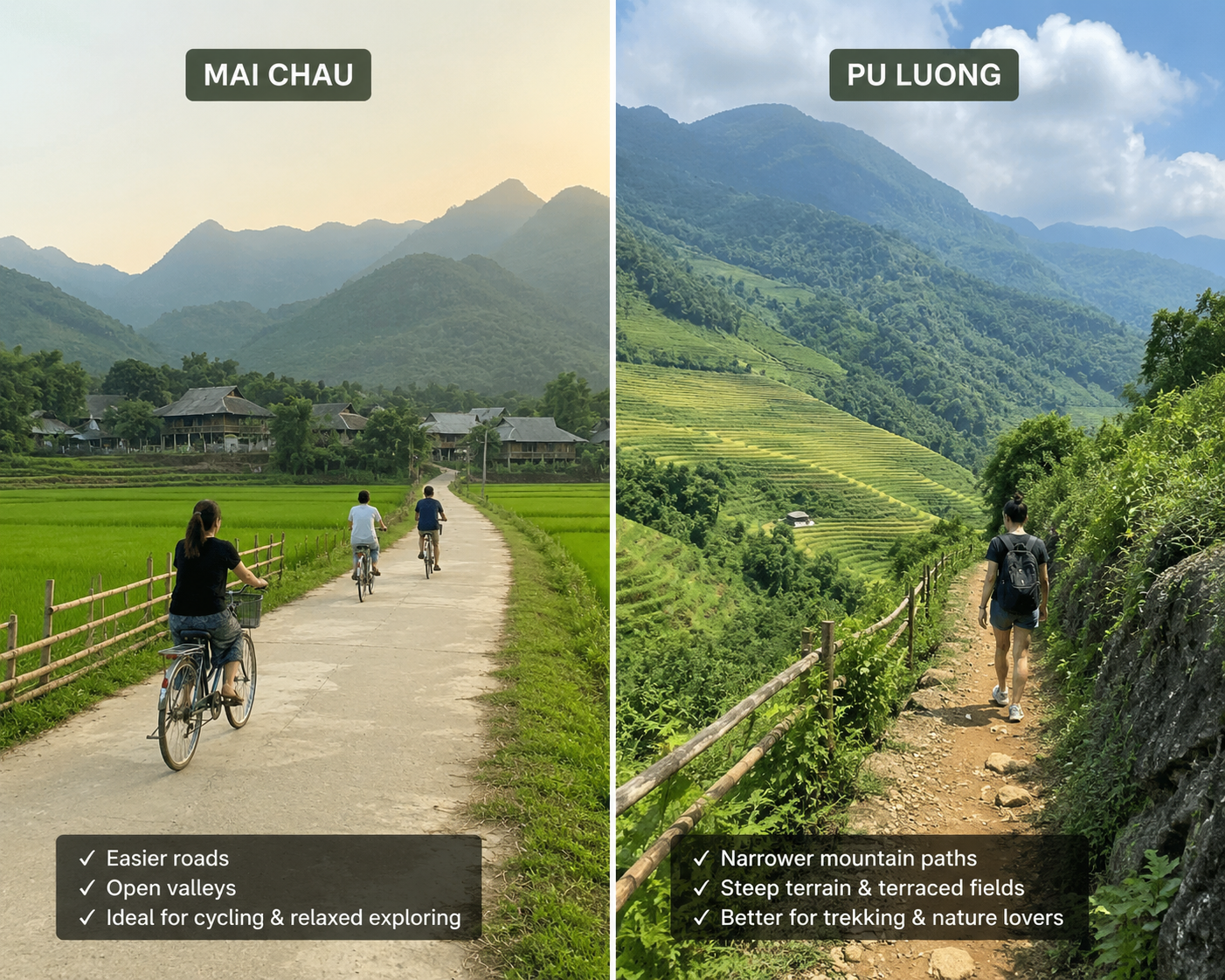
Mai Chau and Pu Luong offer very different travel experiences
Should You Stay in Mai Chau, Pu Luong, or Both?
This is one of the most important decisions in any Mai Chau Pu Luong tour. There is no single right answer, but there is a right answer for each type of traveler.
Staying in Pu Luong makes sense if your main goal is trekking. You want to wake up close to terraced fields, start walking early, and spend more time in remote villages. This works best for active travelers who do not mind simpler dining options and fewer resort-style comforts.
Staying in Mai Chau makes sense if you want a more balanced trip. You can enjoy valley scenery, local villages, kayaking, cycling, and cultural experiences while still having a comfortable retreat at the end of the day. From Mai Chau, Pu Luong can be visited as a day trip or as part of a longer private route.
Splitting your stay between both places works if you have at least three days and do not mind packing, unpacking, and changing accommodation. It gives variety, but it also adds movement.
Expert recommendation:
For many international travelers, especially couples and families, Mai Chau is the easier base. One advantage that is often overlooked is the quality of the accommodation experience itself. Staying at a resort beside Hoa Binh Lake allows travelers to enjoy both the cultural highlights of Mai Chau and day trips into Pu Luong, while returning each evening to a quieter and more comfortable setting. Properties such as Mai Chau Hideaway Lake Resort combine accommodation with activities like kayaking, cycling, cultural performances, and lakeside dining, making the resort part of the journey rather than simply a place to sleep. You get better comfort, smoother logistics, and enough access to Pu Luong without turning the whole trip into a road-heavy itinerary.
This is where a property like Mai Chau Hideaway can fit naturally into the journey. Instead of treating accommodation as just a place to sleep, it can become the slower part of the trip: lake views, quiet mornings, local meals, and time to recover after a long day on mountain roads.
How Many Days Do You Actually Need?
A one-day Mai Chau Pu Luong tour is possible, but it is rarely ideal. If you start from Hanoi, one day usually means too much time in the car and not enough time in the landscape. You may get a few photos, but you will not feel the rhythm of either destination.
Two days is the minimum for most travelers. This allows you to reach Mai Chau, enjoy the valley, stay overnight, and include a short Pu Luong visit or scenic route the next day.
Three days is much better. You can slow down, avoid early exhaustion, and experience the difference between Mai Chau and Pu Luong without rushing.
Four days is ideal for travelers who want both comfort and depth. You can spend time cycling in Mai Chau, visiting local villages, exploring Pu Luong’s terraces or waterfalls, and still have space for quiet mornings.
How much time should you allocate?
|
Trip Length
|
What You Can Realistically Experience
|
Recommended For
|
|
1 Day
|
A quick introduction to the region, but expect a lot of time on the road.
|
Travelers with very limited time
|
|
2 Days
|
Enough to experience Mai Chau and get a glimpse of Pu Luong.
|
Weekend travelers
|
|
3 Days
|
The best balance between sightseeing, relaxation, and local experiences.
|
Most first-time visitors
|
|
4+ Days
|
Time to slow down, explore both destinations properly, and avoid rushing.
|
Couples, families, photographers, and slow travelers
|
Local insider tip:
If you only have two days, do not try to see every famous stop. Choose either a Mai Chau-focused trip with a Pu Luong scenic extension, or a Pu Luong-focused trip with Mai Chau as the softer landing point.
The Most Efficient Mai Chau Pu Luong Tour Itinerary
A smart Mai Chau Pu Luong itinerary should reduce backtracking and avoid unnecessary hotel changes.
Here is a more efficient 3-day structure:
Day 1: Hanoi to Mai Chau
Leave Hanoi in the morning and arrive in Mai Chau around midday or early afternoon, depending on road conditions. Spend the afternoon settling into your accommodation, exploring nearby villages by bicycle, or enjoying the lake scenery. At Mai Chau Hideaway Lake Resort, guests can spend their first afternoon kayaking on Hoa Binh Lake, cycling to nearby villages and waterfalls, or simply relaxing by the infinity pool before starting the more active part of the journey the next day.
Day 2: Mai Chau to Pu Luong and back or overnight extension
Start early for Pu Luong. Visit terraced rice fields, local villages, water wheels, or a waterfall depending on season and weather. If you prefer comfort, return to Mai Chau by late afternoon. If you want a more rustic night, stay in Pu Luong.
Day 3: Slow morning in Mai Chau before returning to Hanoi
This is where many itineraries go wrong. They rush guests back too early. A slower morning gives you time for breakfast with a view, a short walk, kayaking, or one last village visit before the drive back.
From experience, the final morning often becomes the most memorable part of the trip. After two days of movement, travelers finally slow down enough to notice the mist over the valley, the sound of chickens near the stilt houses, or the way local life starts before the tour buses arrive.
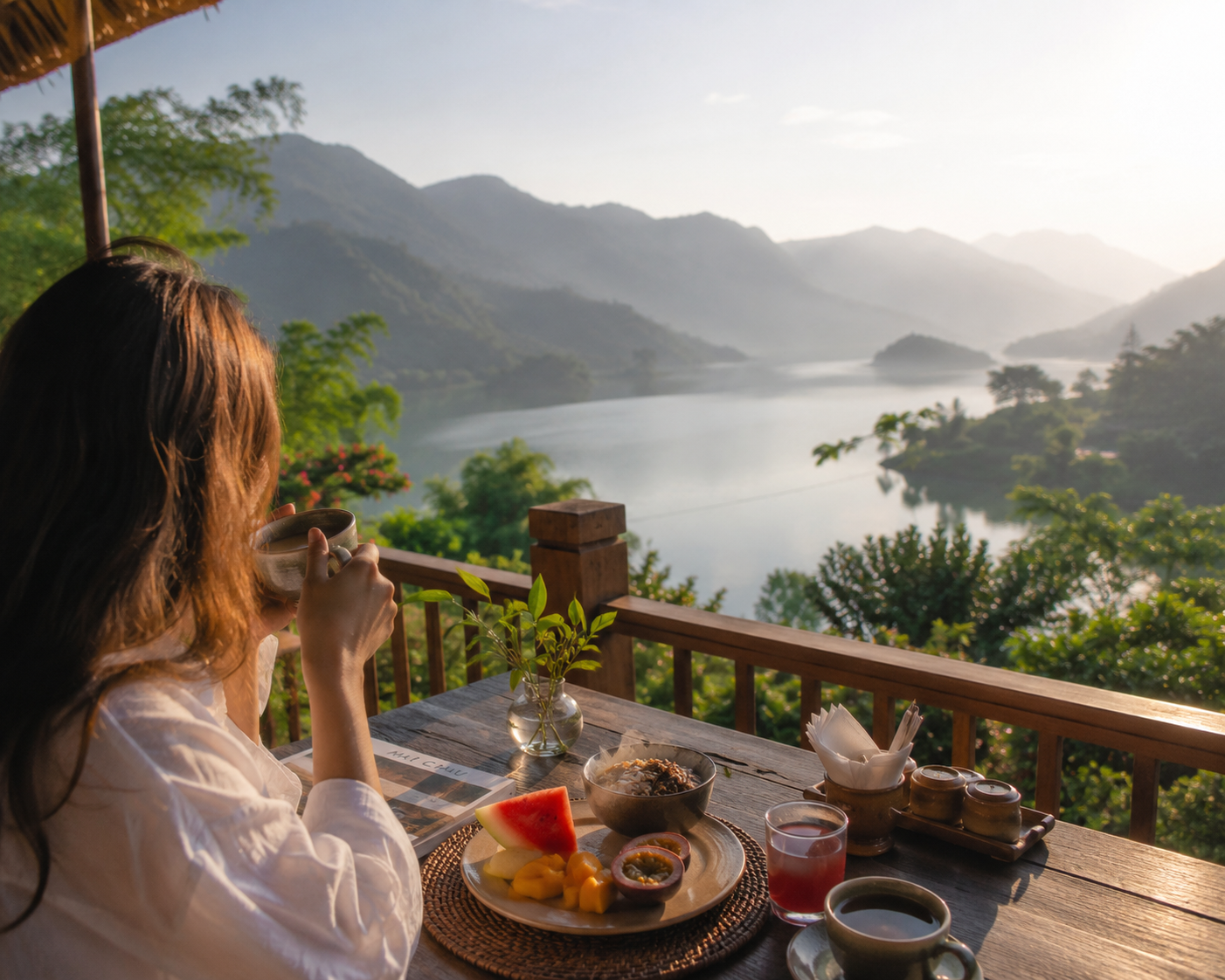
A candid breakfast scene overlooking Ba Khan Lake
Common Mistakes First-Time Visitors Make
The biggest mistake is trying to do too much. Many first-time visitors want Mai Chau, Pu Luong, waterfalls, caves, trekking, cycling, village visits, bamboo rafting, local markets, and a cultural performance in two days. On paper, it sounds efficient. In reality, it can feel exhausting.
Another mistake is underestimating road conditions. Even when distances are not huge, mountain roads can slow everything down. Rain, fog, sharp turns, and photo stops can all change the timing.
Some travelers also choose accommodation only based on distance from an attraction. That can work in cities, but in rural northern Vietnam, comfort, road access, food quality, and reliable local support matter just as much.
Common Mistakes First-Time Visitors Make
Many first-time visitors try to fit too much into a short trip. In reality, Mai Chau and Pu Luong reward slow travel far more than rushed sightseeing.
Avoid these common mistakes:
✓ Choosing a tour based on price alone without checking the quality of transportation and accommodation.
✓ Assuming every trekking route is suitable for beginners.
✓ Carrying large suitcases when changing accommodation frequently between villages.
✓ Treating Pu Luong as a quick photo stop rather than a destination worth exploring.
✓ Underestimating how weather can affect road conditions, trekking routes, and visibility.
What Most Tourists Don't Realize
One thing I noticed after visiting both Mai Chau and Pu Luong is that the most memorable moments rarely come from ticking attractions off a list.
They often come from the quieter parts of the journey:
- A peaceful road winding through rice fields at sunrise.
- Lunch at a family-run restaurant after a morning of exploring.
- Watching mist roll across the mountains from your balcony.
- An unexpected stop at a village market you hadn't planned to visit.
During my stay near Hoa Binh Lake, some of the most memorable moments had nothing to do with major attractions. Watching the morning mist drift across the lake, enjoying breakfast with mountain views, and taking a kayak onto the calm water before other visitors arrived were experiences that never appeared on any itinerary but became highlights of the trip. Activities such as kayaking and cycling are available directly from Mai Chau Hideaway Lake Resort, allowing travelers to enjoy the landscape without spending additional hours on the road
A slower itinerary often feels more rewarding and, surprisingly, more premium than a packed schedule. The region is best experienced when you leave room for the moments that cannot be planned.
The Hidden Costs Most Tour Guides Never Mention
A Mai Chau Pu Luong tour is not always as cheap as it first appears. Some package prices look attractive because they only include basic transport, standard meals, and limited sightseeing. Once you start adding comfort or flexibility, the cost changes.
Hidden or underestimated costs may include:
- Private transfers from Hanoi
- Local guide fees for trekking
- Motorbike or bicycle rental
- Entrance fees for certain sites
- Seasonal price changes
- Single supplements for solo travelers
- Drinks and snacks outside set meals
- Tips for drivers and local guides
- Laundry if the trip includes trekking
- Extra charges for better rooms or lake views
Prices vary depending on season, vehicle type, group size, and accommodation level. As a general planning rule, private and comfort-focused trips cost more, but they often reduce stress significantly.
Expert recommendation:
If your trip is only two or three days, do not save money by choosing poor transport. A bad vehicle can make the journey feel longer than it is, especially on winding mountain roads.
A better way to control the budget is to choose one comfortable base, plan fewer but better activities, and avoid unnecessary hotel changes.
What Changes Between Green Season and Harvest Season?
The season can completely change how your Mai Chau Pu Luong tour feels. Green season usually brings fresh rice fields, softer landscapes, and a calm countryside atmosphere. The scenery feels alive, especially after rain, but trails can be slippery.
Harvest season is when many travelers hope to see golden rice terraces. Pu Luong can look especially beautiful during this time, but the exact timing depends on local planting cycles and weather.
Dry months can be easier for road travel and trekking, but the fields may not always look as lush. Cooler months are pleasant for walking, though mornings and evenings can feel colder than expected.
Timing Matters More Than Most Travelers Realize
Many travelers plan their trip around a specific month, expecting the entire region to look exactly like the photos they've seen online.
The reality is more complicated. Rice fields change quickly, weather patterns vary, and Mai Chau and Pu Luong don't always follow the same agricultural calendar.
That's why experienced travelers focus less on finding the "perfect month" and more on checking current conditions before departure.
Local Insider Tip
For the best views and photography conditions:
✓ Visit viewpoints shortly after sunrise.
✓ Return again in the late afternoon when the terraces catch warmer light.
✓ Avoid judging a destination based on midday photos, when harsh sunlight can flatten the landscape and hide much of its texture.
Read more: Phu Tho Temple Travel Guide: How to Visit Hung Kings Temple in Vietnam
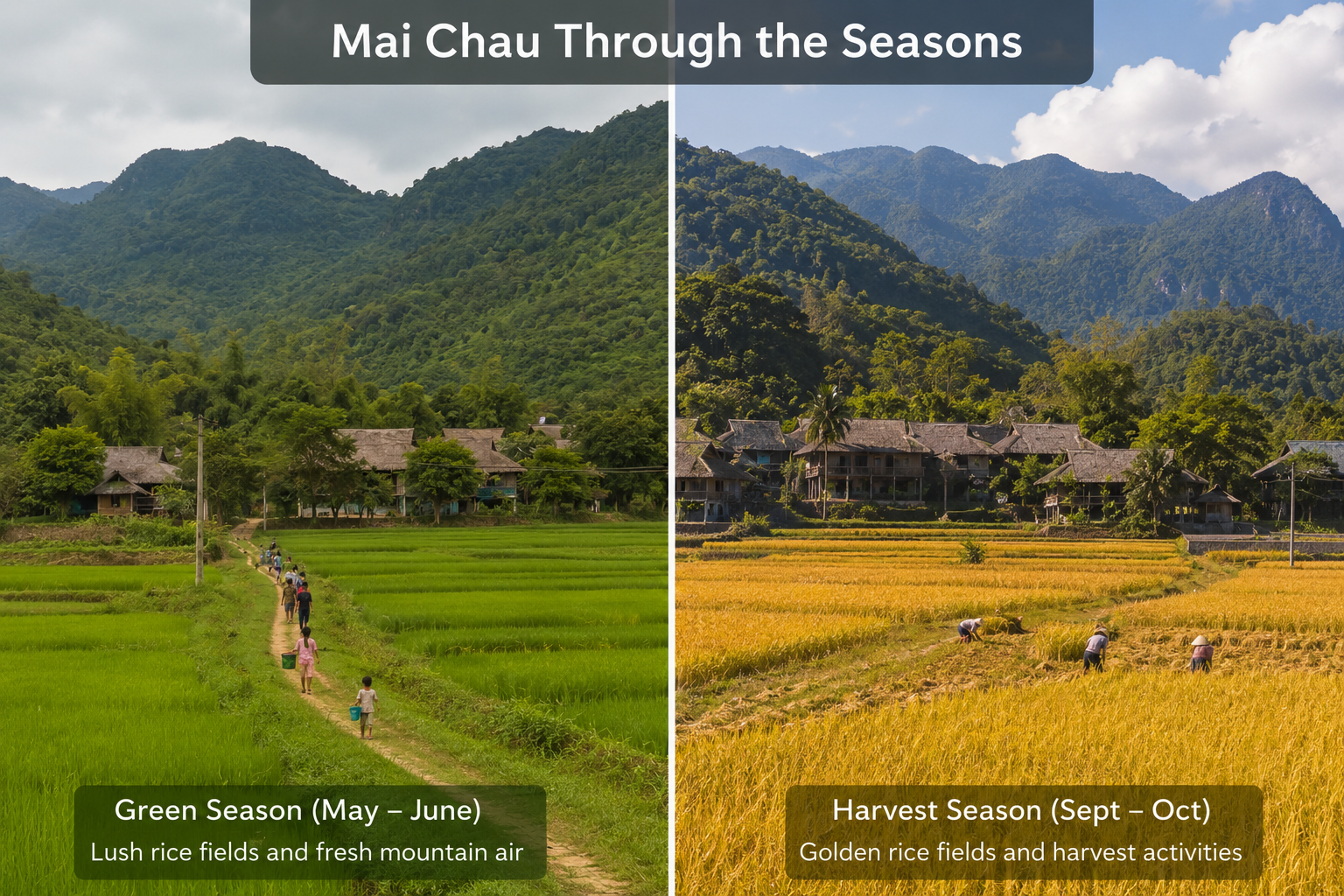
Mai Chau Through the seasons
Why Many Experienced Travelers Use Mai Chau as Their Base
Mai Chau works well as a base because it gives travelers something Pu Luong does not always provide easily: comfort after movement. This becomes even more valuable when your accommodation is designed around the landscape itself. Situated on a peninsula overlooking Hoa Binh Lake, Mai Chau Hideaway Lake Resort offers lake-view rooms, an infinity pool, a bamboo restaurant, kayaking, bamboo rafting, cycling experiences, and cultural activities featuring local Thai traditions. Instead of constantly moving between destinations, travelers can spend several nights in one place and explore the region at a much more relaxed pace.
After a long drive from Hanoi, most travelers do not want another demanding transfer immediately. Mai Chau allows them to settle down, breathe, and ease into the countryside before going deeper into Pu Luong.
Mai Chau is also more flexible. If the weather changes, you still have gentle activities: village walks, cycling, lake views, local meals, short cultural experiences, or simply resting at the resort. In Pu Luong, bad weather can affect trekking plans more directly.
During a well-paced stay in Mai Chau, one thing becomes clear: the destination is not only a stop before Pu Luong. It is the part of the trip that helps travelers slow down enough to enjoy northern Vietnam properly.
For couples, Mai Chau feels romantic without trying too hard. For families, it is easier and less tiring. For older travelers, it offers nature without demanding intense physical effort. For photographers, it provides softer rural scenes that contrast beautifully with Pu Luong’s dramatic terraces.
This is why a Mai Chau-based itinerary can work so well: you get access to Pu Luong, but you return to comfort.
Where to Stay for a More Comfortable Mai Chau Pu Luong Tour
Accommodation can shape the entire experience. If you stay somewhere too remote, you may gain scenery but lose convenience. If you stay somewhere too basic, you may enjoy the location but feel tired by the second day. If you stay somewhere too far from the route, you may spend more time in the vehicle than expected.
For many travelers, accommodation is what determines whether the trip feels relaxing or exhausting.
When comparing places to stay, look beyond room photos and consider the overall travel experience. A good base for a Mai Chau Pu Luong tour should offer:
- Easy access to the main route : So you're spending more time exploring and less time navigating difficult roads.
- A peaceful natural setting: Somewhere you can genuinely unwind after a day of driving, cycling, or trekking.
- Consistently good food: Especially important in rural areas where dining options may be limited.
- Support with local activities and transportation: Whether it's arranging a Pu Luong excursion, a local guide, or a private transfer back to Hanoi.
- Comfortable rooms and reliable amenities: A hot shower, a comfortable bed, and a quiet night's sleep matter more after a full day outdoors.
- English-speaking support: Helpful when adjusting plans, checking road conditions, or organizing last-minute activities.
- A place you actually want to spend time in: Not just somewhere to sleep before moving on to the next destination.
Mai Chau Hideaway is a strong option for travelers who want the nature of northern Vietnam without giving up comfort. Its lakeside setting near Ba Khan gives the trip a different mood from standard village homestays. Instead of only passing through the region, guests can use the stay as part of the experience: slow mornings, mountain views, kayaking, local food, and a quieter base before or after exploring Pu Luong. This is especially useful for travelers who do not want a fully rustic trip.
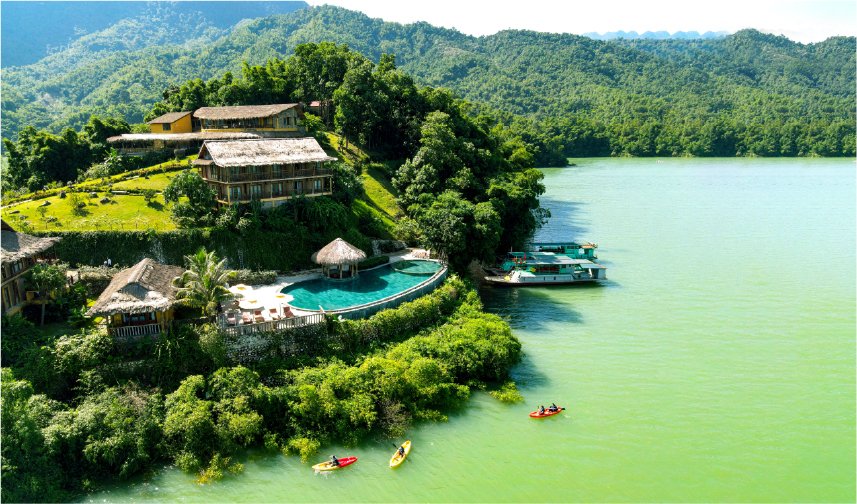
Lake-view villa at Mai Chau Hideaway
A Mai Chau Pu Luong tour does not have to mean basic accommodation every night. For many guests, the best version is a blend: authentic local experiences during the day, comfort and recovery in the evening.
If you are planning a Mai Chau Pu Luong tour and want a slower, more comfortable base, Mai Chau Hideaway can help arrange a stay that balances nature, local culture, and easy access to nearby mountain routes. It works especially well for couples, families, and travelers who prefer a peaceful retreat rather than a rushed group-tour schedule.
The best Mai Chau Pu Luong tour is not the one with the longest checklist. It is the one that understands the difference between the two places.
Mai Chau gives you space to rest, connect with local culture, and enjoy the softer side of northern Vietnam. Pu Luong gives you wilder landscapes, terraces, trekking, and a stronger sense of remoteness. Both are worth visiting, but they need the right pace. If you're planning a Mai Chau Pu Luong tour and prefer a slower, more comfortable approach, consider using Mai Chau as your base rather than changing accommodation every night.
Mai Chau Hideaway Lake Resort offers lake-view accommodation, kayaking, cycling experiences, local cultural activities, and convenient access to both Mai Chau and Pu Luong. For many travelers, it provides the balance between exploration during the day and relaxation in the evening that makes this region so enjoyable.