If you searched "Giang Mo Village," you are probably picturing a quiet Thai hamlet with wooden stilt houses somewhere near Mai Chau. That place is real, but its name causes constant confusion online, and getting the details wrong can waste a full day of your trip. This guide fixes that in the first few lines, then walks you through everything else you need.
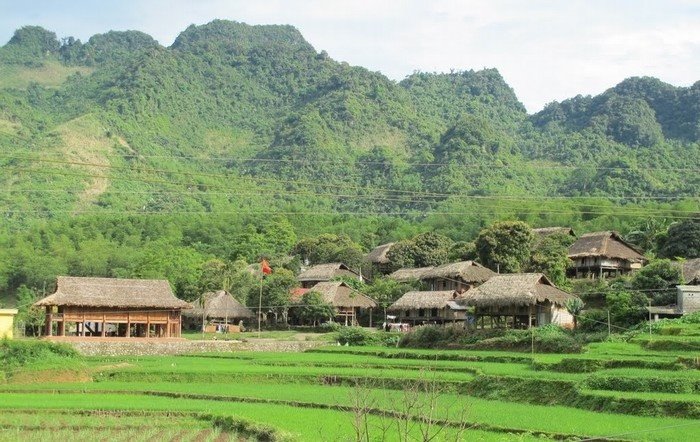
The stilt-house hamlets of Mai Chau valley, the setting most travelers mean when they ask about Giang Mo Village (Source: Cuc du lich Quoc gia Viet Nam)
What Is Giang Mo Village, Exactly?
Here is the short answer first. Most foreign travelers who type "Giang Mo Village" into Google are actually looking for a small Thai ethnic hamlet inside Mai Chau valley, in Chieng Chau commune, sometimes written as Xom Mo or Ban Mo. It sits among rice paddies at the foot of limestone hills, and its houses are still raised on wooden stilts in the traditional White Thai style.
There is, however, a second and separate place that shares part of the same name. A village officially called Giang Mo does exist, but it belongs to Binh Thanh commune in Cao Phong district, close to Hoa Binh city, and it is home to Muong ethnic people rather than Thai. It lies roughly 80 to 85 kilometers from Mai Chau valley, which in mountain-road terms is a different trip entirely.
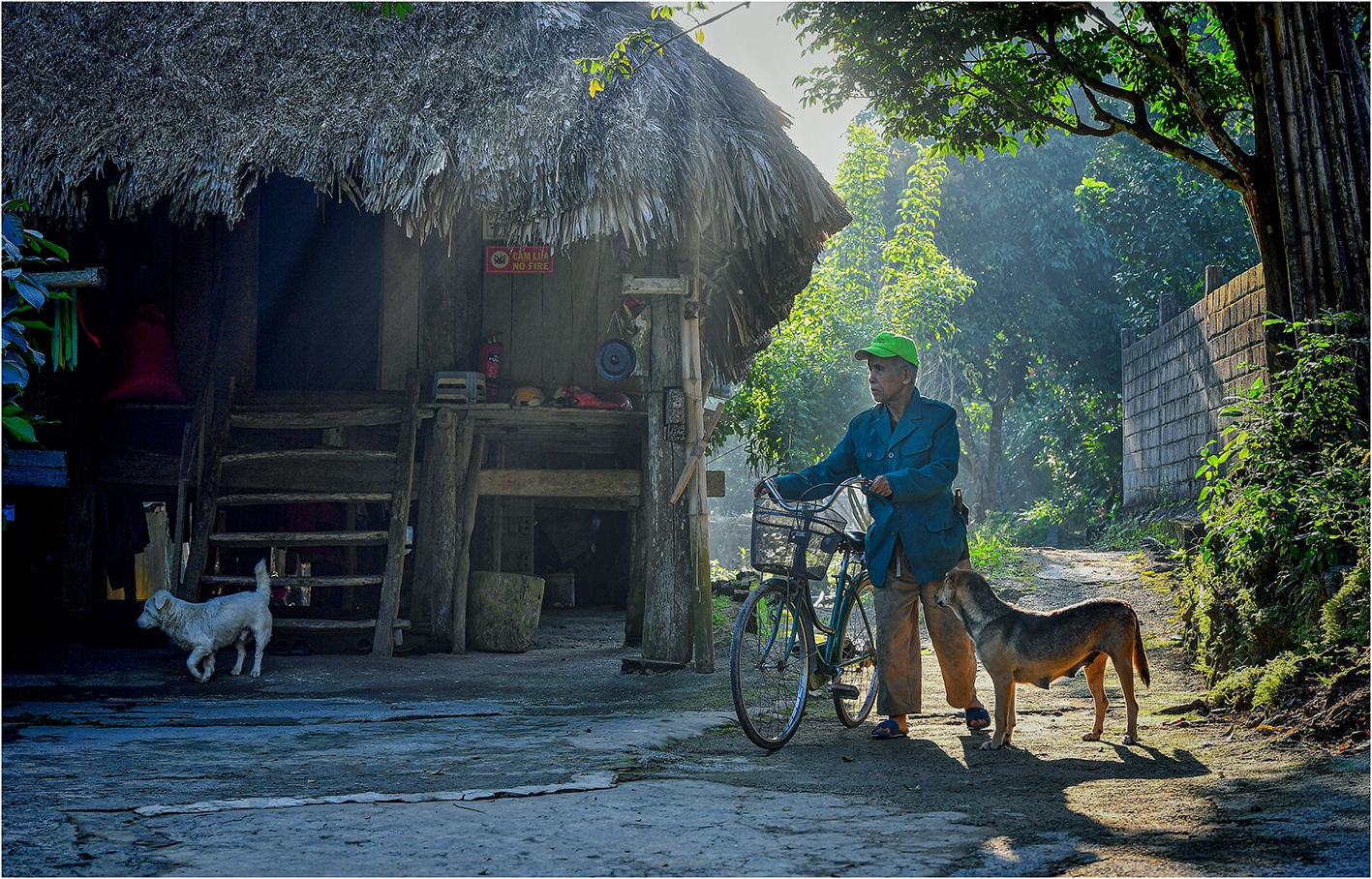
The friendliness and hospitality of the local people (Source: Ethnic Groups and Development - VietNamNet)
Both villages are worth knowing about, but only one of them realistically fits into a Mai Chau itinerary. Because travel listings and map apps frequently mix the two names together, we will be specific throughout this guide about which village we mean, so you can plan with confidence instead of guessing.
|
At a glance
|
Mo Village (Mai Chau valley)
|
Giang Mo Village (Cao Phong)
|
|
Ethnic group
|
Thai (White Thai)
|
Muong
|
|
Location
|
Chieng Chau commune, Mai Chau district
|
Binh Thanh commune, Cao Phong district
|
|
Distance from Mai Chau Hideaway
|
Approx 30-40 minutes by car
|
Approx 2.5-3 hours by car
|
|
Best paired with
|
A Mai Chau valley day trip
|
A Hoa Binh city stopover
|
|
Known for
|
Stilt houses, hand-loom weaving
|
Traditional Muong architecture
|
Where Is It Located, and How Far From Mai Chau Hideaway?
Mo Village sits inside Mai Chau valley, on flat land bordered by rice fields and karst mountains, a landscape that has made this valley one of the most photographed in northern Vietnam. It is close enough to Mai Chau town that most travelers reach it by bicycle or motorbike rather than car, and the ride itself passes through several smaller hamlets along the way.
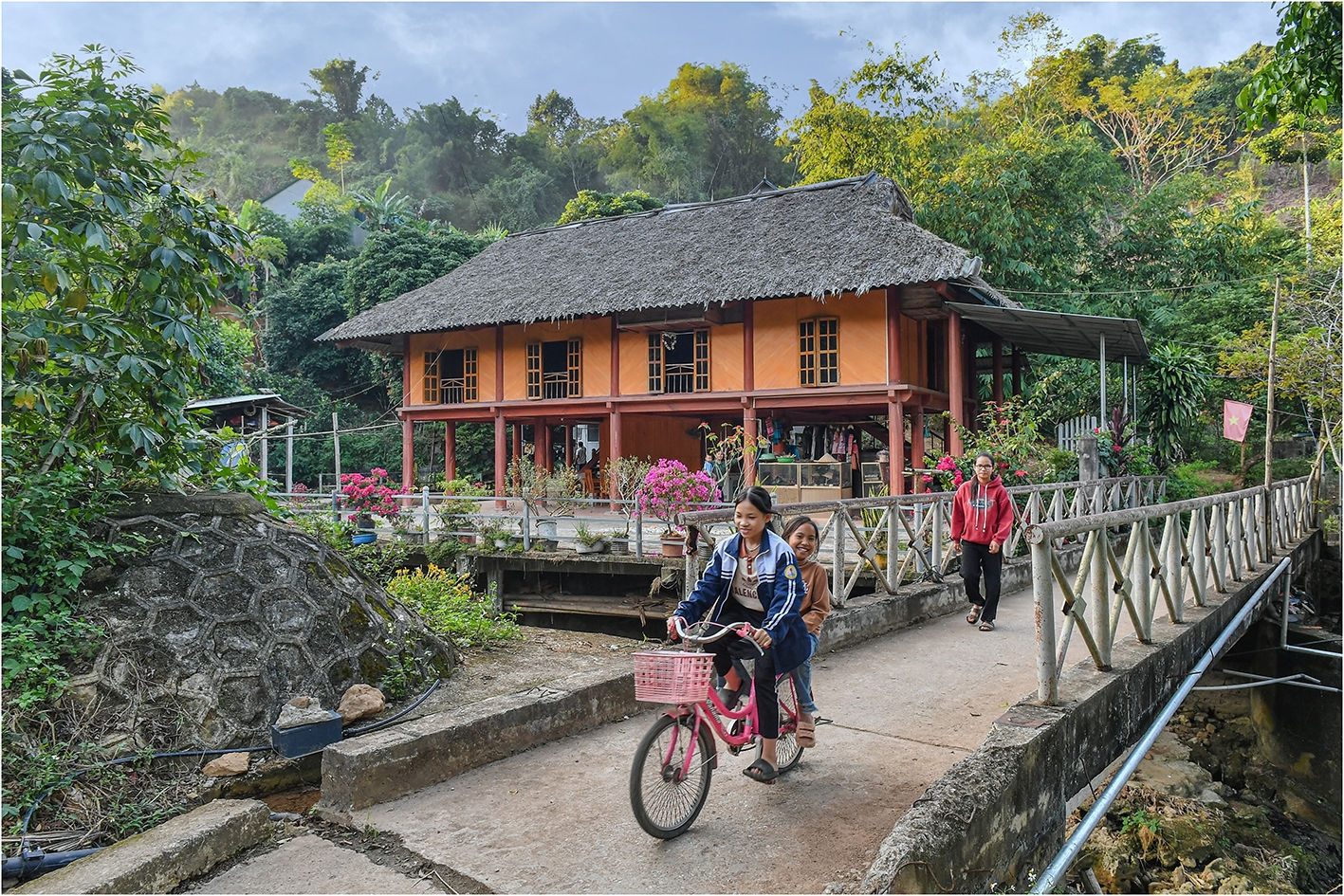
Experiences you shouldn't miss when visiting Giang Mo Muong village (Source: Ethnic Groups and Development - VietNamNet)
From Mai Chau Hideaway Lake Resort, the drive takes roughly 30 to 40 minutes depending on the season and road conditions, since parts of the route wind along the edge of Hoa Binh Lake before joining the road into the valley. Guests who prefer not to drive themselves can arrange a car or a guided half-day tour directly through the resort's Mai Chau tour desk, which already routes through this part of the valley.
Road signs in the area rarely use the English spelling "Giang Mo," so do not expect to see it marked. Locals and drivers will recognize the names Xom Mo, Ban Mo, or simply "the Thai village near Chieng Chau," and using one of those terms will get you there faster than insisting on the exact search-engine spelling.
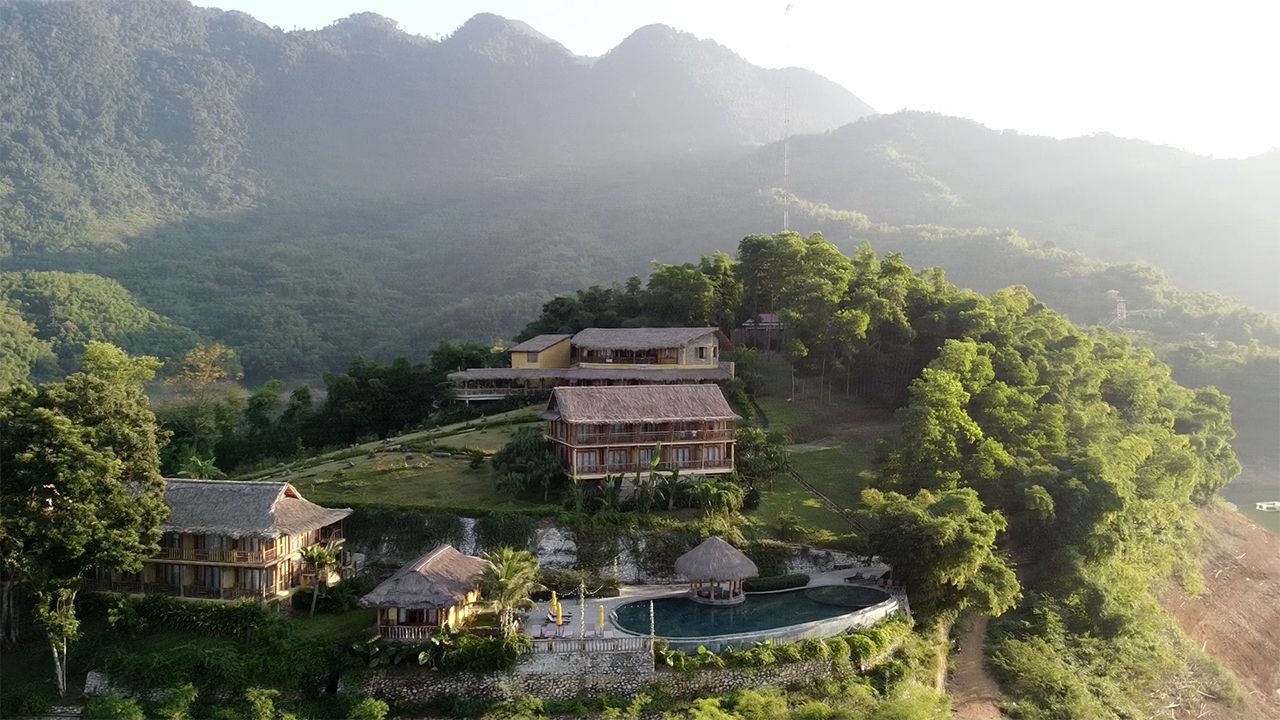
The lakeside route connects Mai Chau Hideaway to Mai Chau valley, passable by car, motorbike, or bicycle
What Makes This Village Worth the Detour
The main reason travelers come here is architecture that has barely changed in decades. Houses are built entirely on wooden stilts, a technique that once protected families from flooding and wild animals and now simply defines the look of Thai villages across the region. Walking between the houses, you will notice carved wooden staircases, thatched or tiled roofs, and open ground floors used for storage or livestock.
Daily life continues around the buildings rather than being staged for visitors. Women often sit at traditional looms weaving cotton and silk textiles, a skill passed down through generations and still used to make the scarves, blankets, and clothing sold in small village shops. Children ride bicycles along the dirt paths, and older residents tend small vegetable plots between the houses, which gives the village a lived-in feeling that more commercial tourist sites have lost.
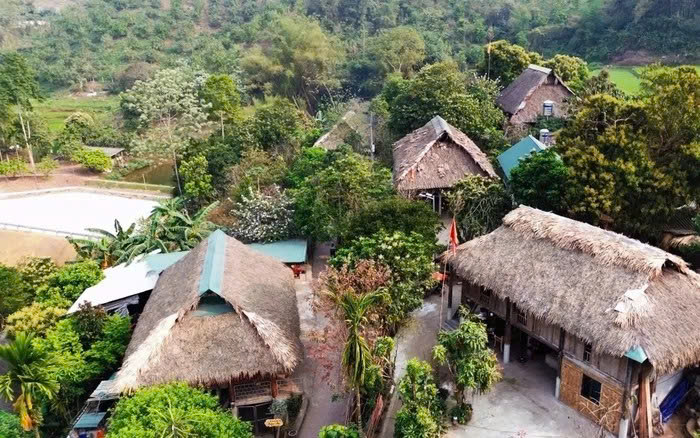
Unique stilt house architecture shaped like a turtle shell (Source: Kenh14.vn)
Surrounding the hamlet, the scenery does a lot of the work for you. Rice fields turn from bright green in the early growing season to golden yellow near harvest, and limestone peaks rise directly behind the rooftops, creating the kind of layered view that photographers specifically travel to Mai Chau to capture. Even a short walk of twenty or thirty minutes covers most of the highlights.
Read more: for a deeper look at Mai Chau's Thai and Muong communities beyond this one hamlet, see our guide to Mai Ha, Kha, Te, and Mai Hich villages
Top Things to Do Once You Arrive
Walking is the simplest and most rewarding way to explore. A slow loop through the hamlet lets you see the stilt houses up close, greet residents, and take in the rice fields without needing any special equipment or booking. Most visitors spend one to two hours here, which fits comfortably into a half-day itinerary from Mai Chau Hideaway.
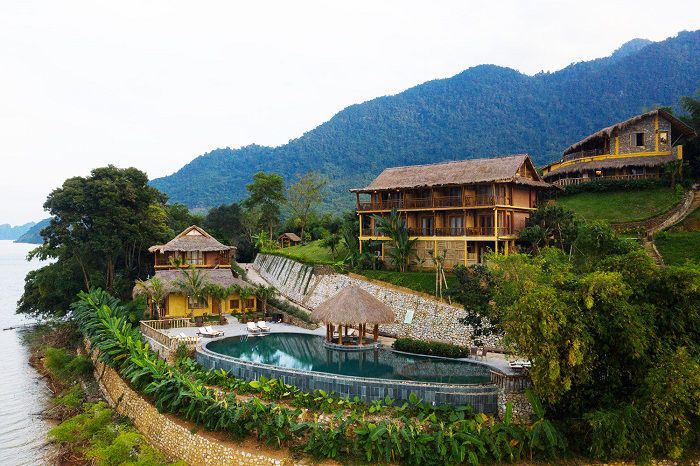
Mai Chau Hideaway Resort
Cycling is the second most popular option, and it is genuinely well suited to this flat valley floor. Renting a bicycle in Mai Chau town or joining the resort's dedicated half-day biking tour lets you cover this village plus two or three neighboring hamlets in the same outing, which is difficult to do on foot in the summer heat.
For travelers interested in craft and culture rather than just scenery, ask about visiting a working loom or a small weaving household. Many families are happy to explain the process and sell finished pieces directly, which supports the local economy far more directly than buying souvenirs in town. Photography is welcome in most areas, though it is respectful to ask before entering someone's home or photographing them up close.
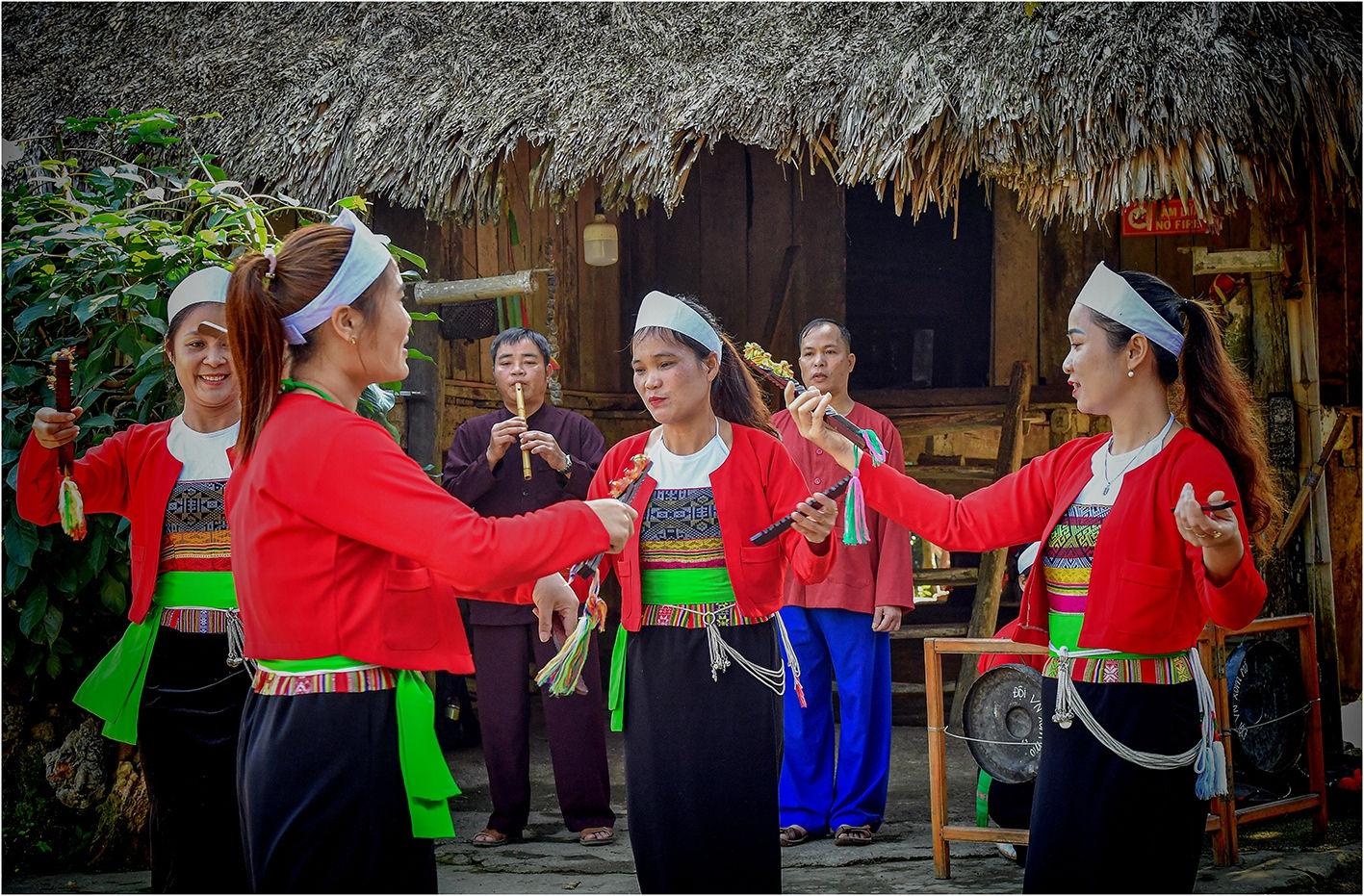
Hand-loom weaving remains a daily activity in the Thai hamlets of Mai Chau valley, including this one (Source: VietnamNet)
Best Time to Visit for the Best Views
Rice-growing seasons shape how the village looks more than anything else, so timing your visit around them makes a real difference. Between May and June, the fields are freshly planted and glow an intense green, while September through early October brings the golden harvest colors that appear in most professional photos of Mai Chau.
Weather also matters for comfort, not just photos. The dry season from October to April offers cooler temperatures and clearer skies, which makes walking or cycling far more pleasant than during the hot, humid months of June through August. Early morning visits, ideally before 9am, avoid both the midday heat and the busier tour groups that tend to arrive later.
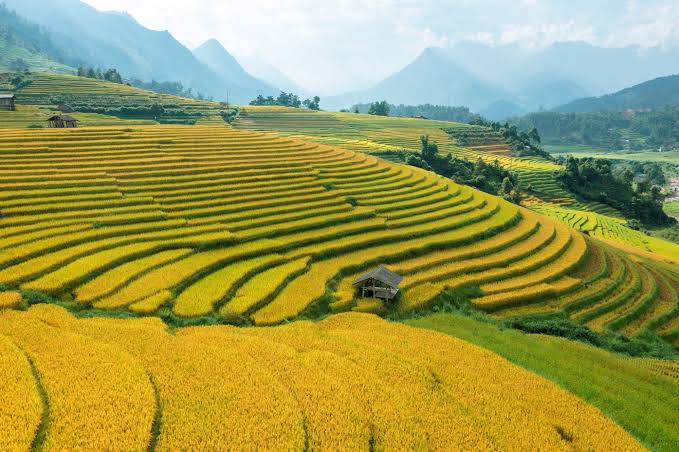
The best time to explore Giang Mo Muong village (Source: Thanh Nien Newspaper)
If your schedule is flexible, weekday mornings are consistently quieter than weekends, when day-trippers from Hanoi tend to arrive in larger numbers. A quieter village means more natural interactions with residents and better opportunities for unhurried photography, which is often what separates an average visit from a memorable one.
What Travelers Say About Visiting From Mai Chau Hideaway
International guests who combine a stay at Mai Chau Hideaway with excursions into the valley consistently mention two things: the contrast between the resort's lakeside setting and the valley's village life, and how approachable the local communities are. Several reviewers have described boat trips across Hoa Binh Lake toward nearby fishing hamlets as a personal highlight of their stay, noting that staff were happy to arrange the outing on short notice.

Suggestions for combining the Muong Giang Mo village with other famous tourist destinations in Hoa Binh (Source: Collected)
Other guests have specifically praised staff members for helping them understand local customs before visiting ethnic villages, which made the experience feel respectful rather than rushed. This kind of preparation matters more than most travelers expect, since a few basic cultural notes can turn an awkward encounter into a genuinely warm one.
A recurring theme across guest feedback is surprise at how few other foreign tourists they encountered once they left the main road, even during what would normally be considered peak travel months. For visitors hoping to avoid the more crowded, souvenir-heavy villages elsewhere in northern Vietnam, that relative quiet is often the deciding factor.
How to Visit From Mai Chau Hideaway: Two Easy Options
The most flexible option is arranging your own transport. Motorbikes and bicycles can be rented in Mai Chau town, and the ride from the resort area into the valley is scenic enough to be part of the experience rather than just a way to get somewhere. This suits travelers who want to set their own pace and stop wherever the light or the scenery looks interesting.

Cycling is the easiest way to combine a village visit with the wider scenery of Mai Chau valley (Source: Local Vietnam)
The simpler option, especially for a first visit or a shorter stay, is booking through the resort directly. The Mai Chau Hideaway tours page lists half-day and full-day options that already route through this part of the valley, pairing village visits with cycling, boating, or market stops so you are not coordinating multiple bookings yourself.
For travelers with more time, a two-day itinerary that combines a night at the resort with a full day exploring the valley tends to work best. This allows time for both the lake-based activities around Mai Chau Hideaway and an unhurried village visit, rather than squeezing everything into a single rushed afternoon.
Ready to plan the trip? Browse the full range of Mai Chau valley tours and excursions offered directly by Mai Chau Hideaway, or check current room availability to build your stay around it.
Nearby Attractions Worth Combining With Your Visit
A trip out to this village rarely needs to stand alone, since several other worthwhile stops sit within easy reach. Chieu Cave, a limestone cave reached by a steep staircase through the mountains, offers a completely different kind of scenery and pairs naturally with a morning village walk. Our full Chieu Cave guide covers what to expect and how to prepare for the climb.
Travelers interested in lake-based scenery rather than valley scenery might prefer a half-day boat trip to Ban Ngoi Village, a Muong hamlet reachable only by water inside Hoa Binh Lake. It offers a strikingly different atmosphere from the flat rice valley, despite being part of the same district.
For a longer, more active day, the resort's half-day boating tour or the market-focused Pa Co Market excursion can be combined with a village walk to create a fuller itinerary without adding an extra travel day.
Practical Travel Tips Before You Go
Dress modestly when entering homes or weaving workshops, since many families still treat their houses as private spaces even when they welcome visitors. Covering shoulders and knees is generally appreciated, and removing shoes before stepping onto a stilt house floor is standard local etiquette that most travelers pick up quickly once they see others doing it.
Cash is essential, since small shops and weaving households rarely accept cards. Bringing a mix of small Vietnamese dong notes makes it easier to buy textiles or snacks without asking a vendor to break a large bill, which can be awkward in a small hamlet with limited change on hand.
Finally, plan around daylight rather than the clock. Rural roads in this area are not always well lit, so aiming to finish your visit and be back on the main road before sunset makes the return trip smoother, whether you are driving yourself or being picked up as part of a resort tour.
Frequently Asked Questions
Is Giang Mo Village the same as Mo Village in Mai Chau?
→ Not officially. The name Giang Mo belongs to a separate Muong village near Hoa Binh city, but many international listings use it loosely for the Thai hamlet inside Mai Chau valley, which is the place most travelers are actually asking about.
How far is it from Mai Chau Hideaway Lake Resort?
→ Roughly 30 to 40 minutes by car or motorbike, depending on which route you take around Hoa Binh Lake into the valley.
Do I need a guide to visit?
→ No, but a guide or a booked tour makes it easier to find working weaving households and understand local customs, especially on a first visit.
Is it free to visit?
→ Walking through the hamlet is free. Any purchases of textiles or snacks from local families are optional but genuinely appreciated.