Mo Muong cultural heritage encompasses a diverse set of traditional practices that have accompanied the Muong people through important stages of community and family life. From ceremonies connected with death and spiritual beliefs to rituals for health, good fortune, and household well-being, each form of Mo reveals a different aspect of the community’s traditional worldview.
What is Mo Muong cultural heritage?
Mo Muong is an intangible cultural heritage of Viet Nam, preserved mainly through ritual chants, ceremonies, and oral transmission. It is practiced during important occasions such as funerals, family rituals, and community events. The content of Mo covers Muong beliefs, customs, history, moral values, and traditional explanations of the world, making it an important part of Muong cultural heritage.
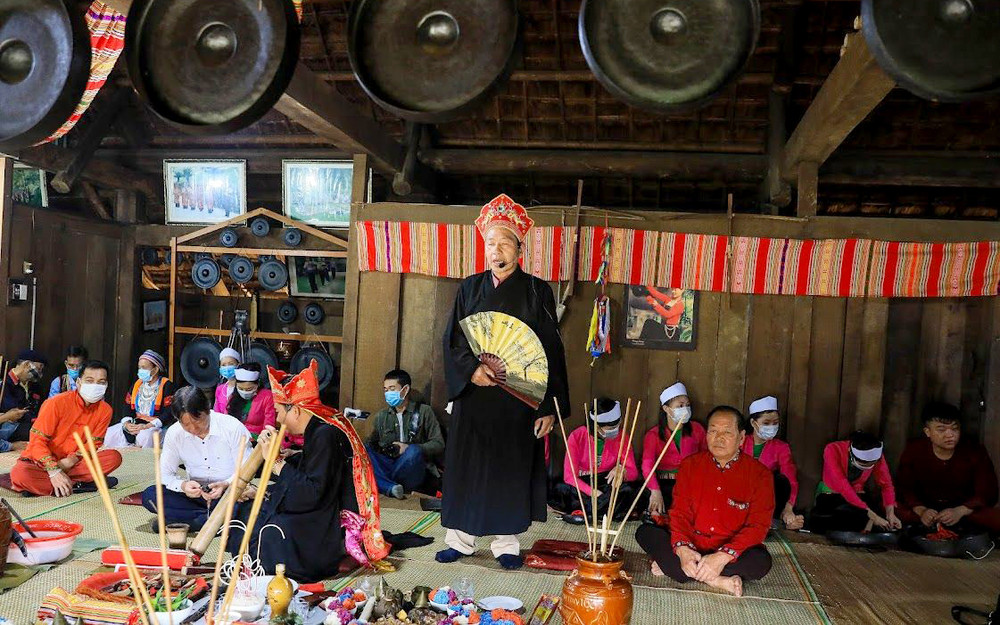
Mo Muong rituals combine recited verses, traditional performance, and ceremonial settings passed down orally (Source: Lao Dong news)
Mo includes three closely connected elements: the Mo verses, the performance of the ritual, and the ritual setting with the practitioners involved. The Mo shaman, known as a “thay Mo”, plays the central role in performing the ceremony and reciting the verses. Becoming a Mo shaman requires years of learning because practitioners must memorize a large body of oral texts and understand how different verses are used in specific ceremonies.
Mo Muong has traditionally been passed down from one generation to another through oral teaching rather than written texts. This is why Mo shamans are important to the preservation of the tradition. Hoa Binh is one of the main areas associated with Muong culture and remains an important place for maintaining and documenting Mo Muong practices today.
What cultural values does Mo Muong preserve?
Mo Muong is more than a set of ritual practices. Its verses preserve stories, beliefs, customs, and knowledge passed down through generations, reflecting how the Muong people understand their history, family relationships, community life, nature, and the spiritual world. These elements give Mo Muong cultural heritage value not only as a traditional ritual but also as an important source of cultural knowledge.
Mo Muong contains stories about the origins, customs, beliefs, and way of life of the Muong people. Traditionally passed down through oral performance, these verses allow older generations to share knowledge with younger members of the community and help preserve collective memories that might otherwise be forgotten. They also reflect traditional values such as respect for parents and ancestors, responsibility toward family members, and harmony within the community.
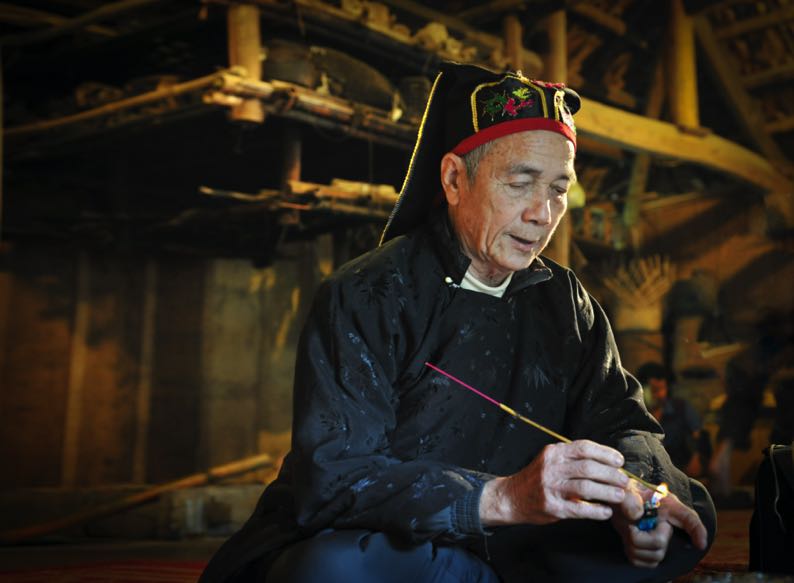
Mo shamans preserve ancient oral verses containing stories, beliefs, and community history (Source: VietnamAirlines Heritage)
The relationship between people and nature is another part of this worldview. References to forests, mountains, land, water, and living spaces reflect how closely the traditional Muong way of life was connected with its natural surroundings. Rather than viewing nature as separate from everyday life, traditional beliefs connect the environment with people's homes, livelihoods, and well-being.
Spiritual beliefs are also central to many Mo ceremonies. Different forms are associated with the home, family, health, and important stages of life, providing an insight into traditional Muong ideas about ancestors, spiritual protection, and household well-being. For example, Mo Mat Nha is associated with the home, while Mo Tho Cong relates to traditional beliefs surrounding the land and household guardians. These practices show how spiritual beliefs were closely integrated into everyday life.
The verses also have literary, historical, and scientific value. They contain stories, customs, social values, and details about traditional Muong life, making them useful for studying Muong oral literature and cultural history. Preservation projects have therefore focused on collecting, documenting, and digitizing Mo materials, including recordings and written records of traditional performances. These efforts help safeguard Mo Muong cultural heritage while providing valuable material for future research into Muong culture.
Read more: Major ethnic groups in Vietnam: Top 3 cultures in Mai Chau
The nine types of Mo Muong in traditional Muong culture
Mo Muong is not limited to funeral ceremonies. According to cultural sources, the tradition includes nine main types, each used for a different situation or purpose in Muong community life. They range from rituals for the deceased and ceremonies for health and protection to practices connected with the home, festivals, and family life.
Mo for funerals and guiding the soul
Mo in funerals, known as Mo ma, is one of the best-known forms of Mo Muong. It is performed during a traditional Muong funeral and plays an important role in the ceremonies for the deceased.
The Mo verses are used to recount the journey of the dead and guide the person's soul toward the world of the ancestors. The Mo shaman acts as a connection between the living and the dead, carrying out the required rituals and reciting the verses throughout the funeral.
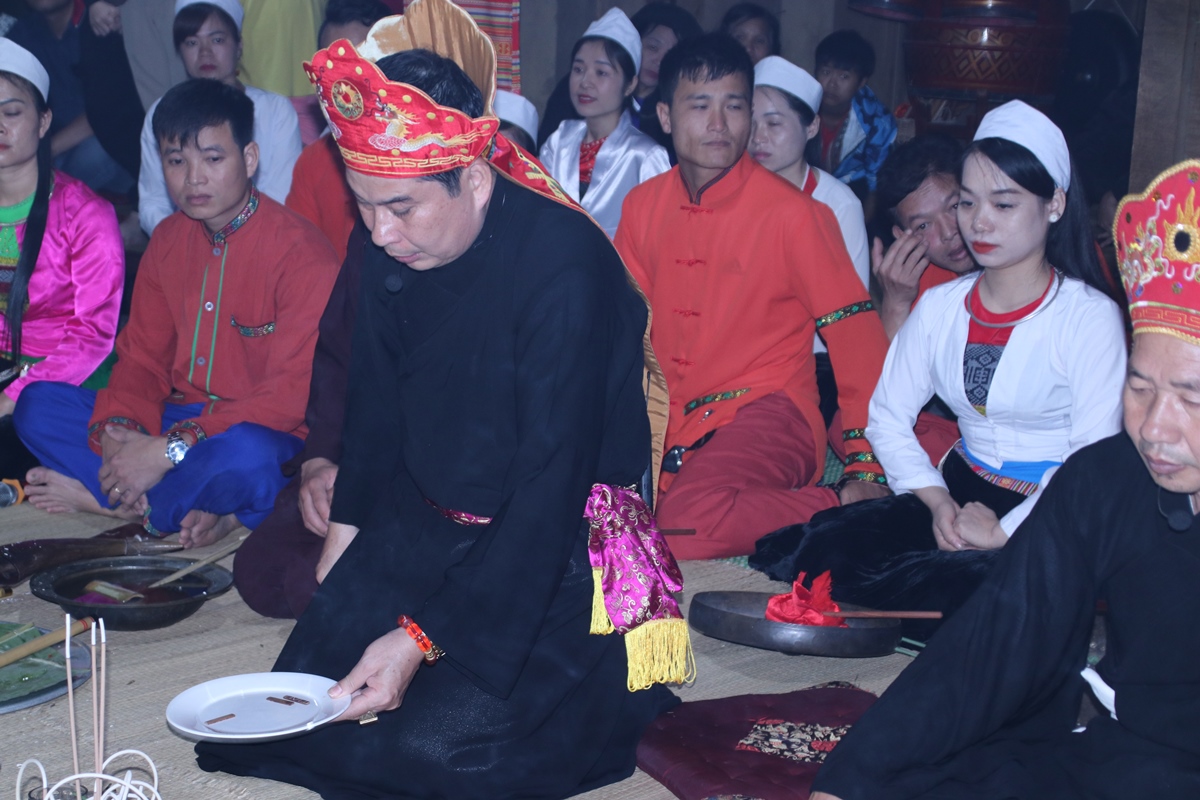
Mo ma rituals serve to recount the life journey of the deceased and guide their soul to ancestors (Source: MOCST)
Traditional funeral Mo could continue for several days and contain a large body of verses covering stories, rituals, history, and beliefs. In modern funerals, however, some sections have been shortened or omitted as funeral practices have changed.
Mo for health, protection and good fortune
Several types of Mo are connected with health, protection, and wishes for a better life. Mo Voai is used for ceremonies related to a person's spirit or via, particularly when someone is sick, weak, or believed to have lost their via. Mo Giai Han is performed to remove bad luck or misfortune according to traditional Muong beliefs.
Mo xin so is another form associated with seeking guidance or an answer through traditional beliefs, while Mo Mu is connected with children and their well-being. These practices show that Mo was not only part of funerals but could also be used at different stages of life. The purpose of these forms of Mo was closely connected with the concerns of everyday life. Families could turn to different rituals when they wanted to pray for health, protection, peace, or good fortune.
Mo for festivals, homes and community life
The remaining forms of Mo are connected with festivals, household rituals, and community activities. Mo Ngay Tet is associated with the traditional Tet period, while Mo Tho Cong Tho Dia relates to beliefs surrounding the land and household guardians.
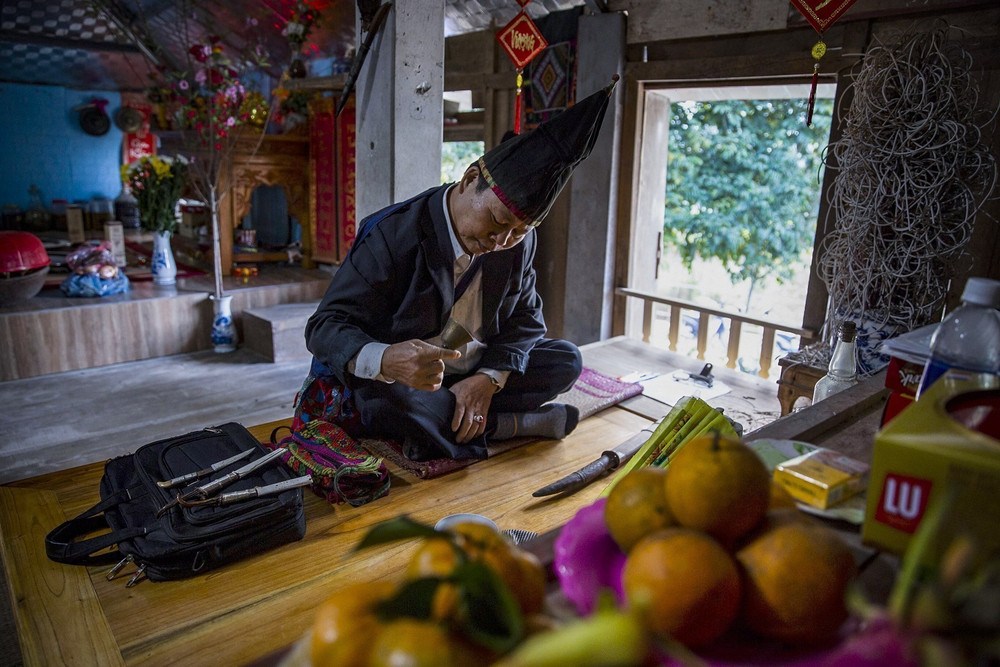
Household Mo ceremonies offer wishes for health, peace, and protection for family members (Source: collected)
Mo Doi Dua is connected with traditional family and community practices, while Mo Mat Nha is performed in connection with the home. These rituals can express wishes for health, peace, good fortune, and well-being for the people living in the house. Together, these forms show how Mo was incorporated into many areas of Muong life rather than being restricted to one particular ceremony.
Read more: Visiting Mai Chau to discover the customs and traditions of the Muong People
How is Mo Muong cultural heritage being preserved today?
Mo Muong is being preserved through collecting and documenting Mo verses, recording traditional rituals, and researching the knowledge of experienced Mo shamans. These efforts are particularly important because Mo has traditionally been passed down orally, making the loss of experienced practitioners a risk to the survival of the tradition.
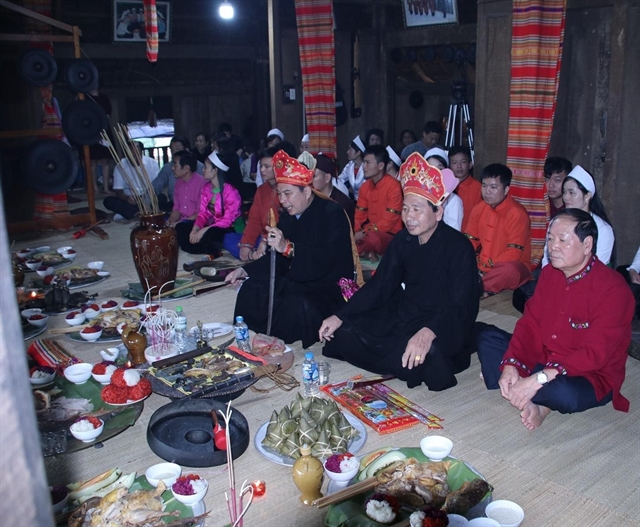
Gatherings of active Mo shamans help document oral verses and preserve ancestral ritual (Source: MOCST)
Another important approach is supporting Mo shamans and creating opportunities for younger generations to learn the tradition. In Hoa Binh, Mo clubs have been established in several districts to bring practitioners together and encourage the transmission of Mo knowledge. According to a 2022 inventory cited by the Hoa Binh provincial government, nearly 200 Mo shamans were still active in the province.
Local authorities are also implementing preservation programs that focus on documenting different forms of Mo, supporting practitioners, and developing cultural spaces. The aim is not only to preserve Mo in written records but also to keep it practiced and transmitted within Muong communities.
The Mo Muong cultural heritage conservation project in Hoa Binh
Hoa Binh has introduced a number of measures to preserve and promote Mo Muong, from supporting practitioners and documenting the heritage to developing dedicated conservation spaces. One of the latest efforts is the Mo Muong Cultural Heritage Conservation Space in Hop Phong, Cao Phong, which links heritage preservation with cultural tourism.
The development of the Mo Muong conservation space
The preservation of Mo Muong received greater attention in Hoa Binh after a provincial directive in 2016, followed by a conservation project covering the period from 2019 to 2025 and the years that follow. The province has continued these efforts through its 2023 - 2030 program for preserving and promoting Muong culture. These programs focus on keeping Mo verses and rituals alive while supporting the people who continue to practice and pass on the tradition.
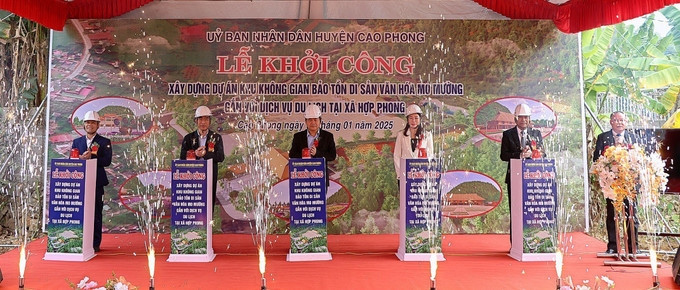
The Mo Muong Cultural Heritage Conservation Space project supports regional preservation and cultural tourism (Source: MOCST)
One of the most notable projects is the Mo Muong Cultural Heritage Conservation Space in Hop Phong, Cao Phong. According to VietnamPlus, the project covers 36.02 hectares with an investment of 50 billion VND. It is intended to provide a dedicated space for preserving and introducing Mo Muong, together with other cultural features of the local Muong community.
From cultural preservation to sustainable tourism
The conservation space is also expected to bring Mo Muong closer to visitors. As Nhan Dan reports, the project is linked with tourism development, creating opportunities to introduce Mo Muong as part of the cultural experience in Cao Phong.
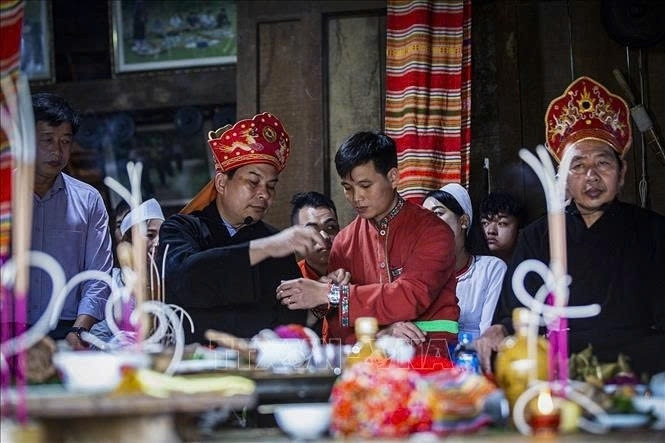
Experienced shamans pass down traditional Mo knowledge and meanings to younger generations (Source: MOCST)
For this to work well, local artisans and Mo shamans remain an important part of the process. They can help demonstrate the tradition, explain its meaning, and pass Mo knowledge on to younger generations. In this way, tourism can support preservation by helping more people understand Muong culture while giving communities more opportunities to keep their traditions active. The goal is not simply to put Mo Muong on display, but to create more space for the heritage to be practiced, shared, and understood responsibly.
Read more: Mai Chau Cultural Travel Guide
How can travelers help preserve Mo Muong cultural heritage?
Travelers can play a small but meaningful role in preserving Mo Muong by choosing local cultural experiences and learning about the tradition from people who practice it. Visiting Muong communities, joining suitable cultural activities, or supporting local artisans can help keep interest in Mo Muong alive and give local communities more reasons to continue sharing their heritage.
It is also important to respect the way Mo is practiced. Some Mo rituals are part of funerals, family ceremonies, or spiritual traditions, so they should not be treated simply as tourist performances. Follow local guidance, ask before taking photos or videos, and avoid interrupting a ritual or ceremony.
After the trip, travelers can help by sharing what they have learned and recommending responsible cultural experiences to others. Simple actions such as supporting local practitioners, sharing accurate information, and choosing community-based tourism can help more people discover Mo Muong while giving the tradition a better chance of being passed on to future generations.
Experience Mo Muong cultural heritage at Mai Chau Hideaway Lake Resort
For travelers interested in Mo Muong cultural heritage, staying at Mai Chau Hideaway Lake Resort offers a convenient base for exploring the cultural landscape of the former Hoa Binh region. The resort’s location by the lake provides a peaceful place to stay while allowing guests to discover nearby Muong communities and learn more about the traditions that continue to shape local life.
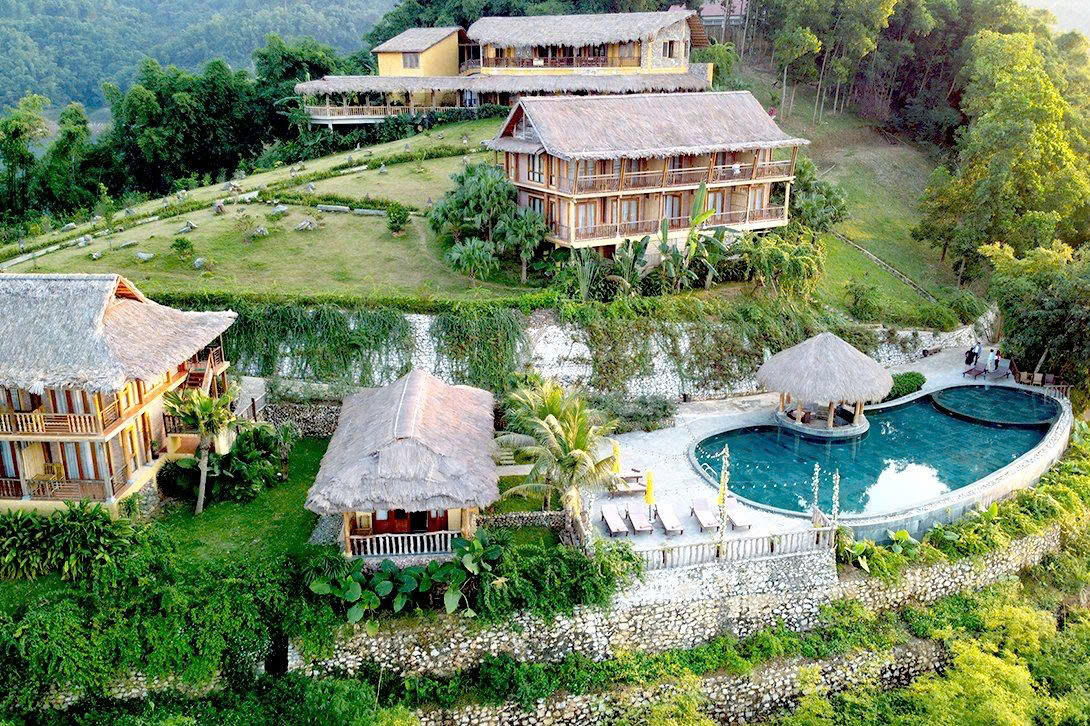
Mai Chau Hideaway Lake Resort provides a scenic retreat close to local ethnic villages and cultural heritage
Mo Muong is closely connected with the community, family, and spiritual traditions of the Muong people. While not every Mo ceremony is open to visitors, travelers can gain a better understanding of this heritage by exploring local villages, learning about Muong customs, and visiting cultural sites where traditional practices are preserved.
At Mai Chau Hideaway, guests can combine a relaxing stay with cultural exploration around Mai Chau and the wider region. This offers a more meaningful way to discover Mo Muong culture - not simply as a traditional ritual, but as part of the beliefs, customs, and community life that have been passed down through generations.
FAQs
Where can travelers experience Mo Muong?
→ Hoa Binh is one of the main areas where Mo Muong is still practiced, particularly in Muong communities and cultural spaces.
Can tourists attend a Mo Muong ceremony?
→ Yes, but only when the ceremony is open to visitors. Private family and funeral rituals should not be treated as tourist activities.
Is Mo Muong performed throughout the year?
→ Yes. Different forms of Mo are performed for different occasions, including funerals, family rituals, festivals, and household ceremonies.
What should visitors know before watching a Mo Muong ritual?
→ Visitors should treat Mo as a cultural and spiritual practice, follow local guidance, and avoid interrupting the ceremony.
Can travelers take photos or videos during a Mo Muong ceremony?
→ Only with permission from the hosts or practitioners, especially during private or spiritual ceremonies.
What is the difference between Mo Muong and other Vietnamese folk rituals?
→ Mo Muong is distinctive for its extensive oral verses and its close connection with Muong beliefs, customs, history, and community life.
Is Mo Muong connected to Muong festivals and traditional village life?
→ Yes. Mo is used in various family and community occasions, including Tet, house-related rituals, and ceremonies connected with important stages of life.